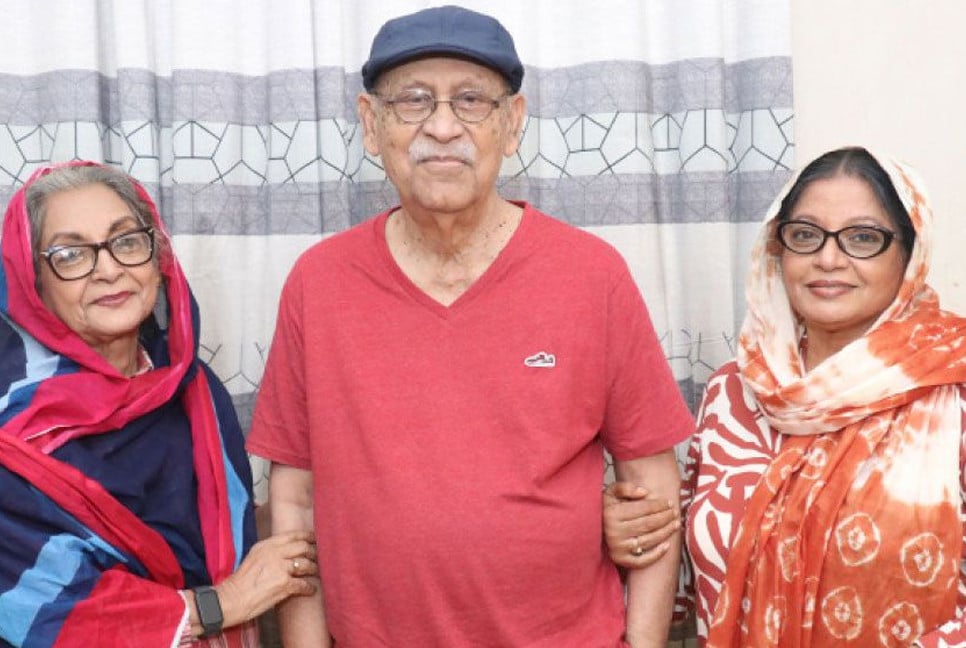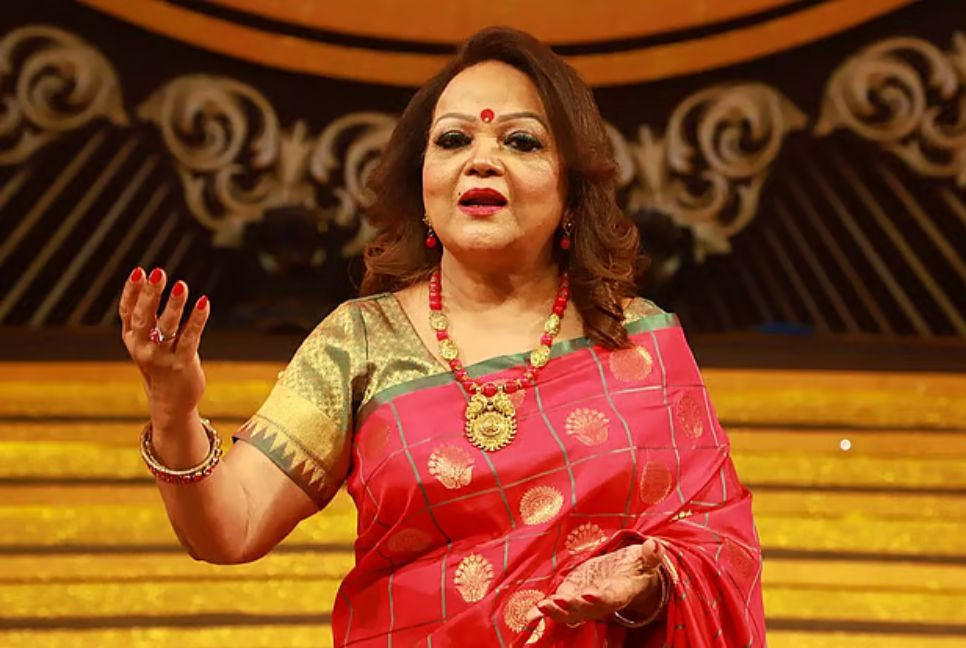
Renowned singer Sabina Yasmin has expressed frustration over what she describes as a long-standing lack of respect for artistes in Bangladesh.
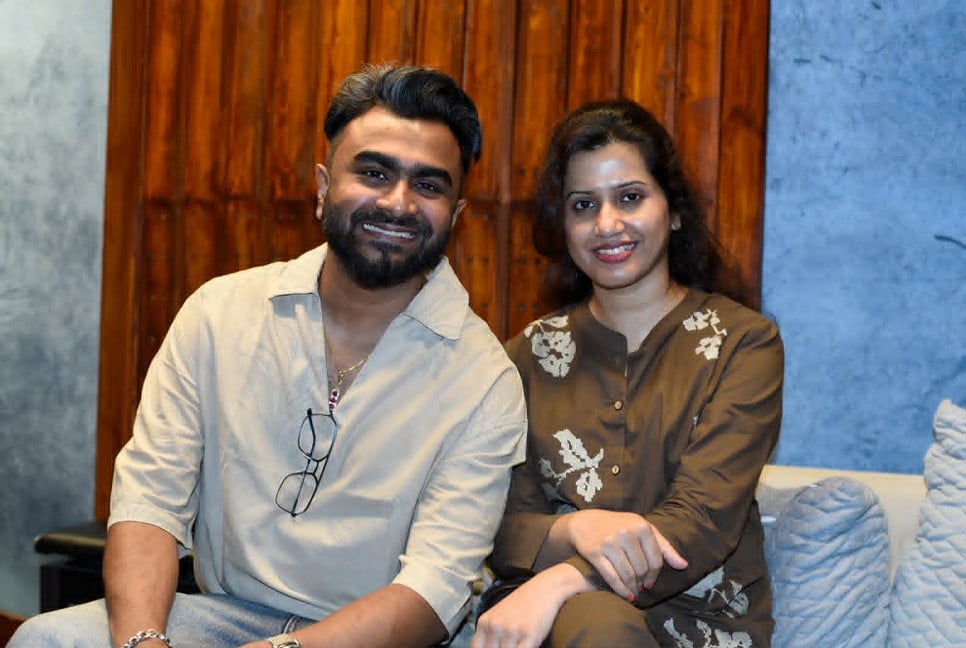
Speaking at a recording session for a new song at a studio in the capital’s Moghbazar on Monday, the legendary artiste said, “Artistes have never been valued in Bangladesh. If those who are running the country do not understand or value music, then we (artistes) have nothing to do. Nothing will be forced.”
Drawing a comparison with India, Yasmin highlighted how Indian Prime Minister Narendra Modi once bowed to legendary singer Lata Mangeshkar as a mark of respect, while Bangladeshi artistes have not received similar recognition.
“We had such good artistes like Andrew Kishore and Subir Nandi, some of their songs could have been archived. No one thinks about them. Finally, Farida Parveen passed away, will there be another artiste like her? This is our misfortune,” she added.
The singer also raised concerns over the absence of a proper system for royalties, which she said could have helped ensure financial security for artistes and their families. “Even in other countries, we do not have a good system for song royalties here. It would have been much better if the families of many artistes, including Abdul Alim and Rahman Boyati, received royalties. If this system was right, artistes could have been sure about their future,” she said.
Despite her criticisms, Yasmin expressed gratitude to colleagues in the film industry and noted that she personally holds no regrets.
Born on 4 September 1954 into a culturally rich family, Sabina Yasmin began her musical journey at the age of six, winning first prize at the All Pakistan School Music Competition. She soon lent her voice to films as a child artiste and went on to record around 16,000 songs, most of them for films, along with modern Bangla songs, folk, Rabindra Sangeet, Nazrul Geeti, and ghazals.
The country’s most awarded playback singer, she holds a record 15 National Film Awards, and is also a recipient of the Ekushey Padak (1984) and the Independence Award (1996).
Bd-pratidin English/FNC