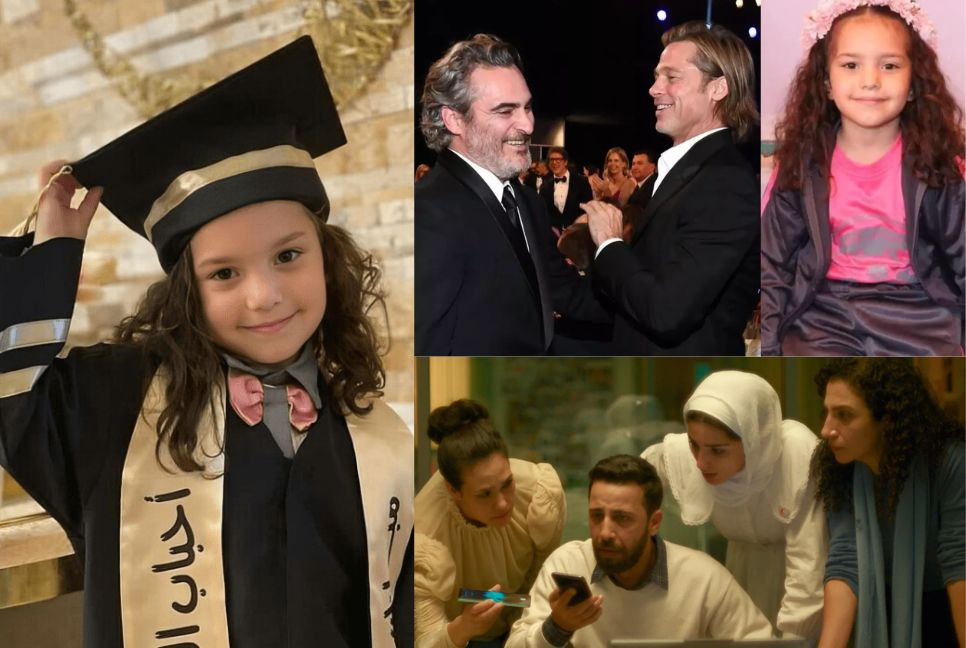
The Voice of Hind Rajab (2025) is a powerful drama directed by the acclaimed Tunisian filmmaker Kaouther Ben Hania. Set to premiere in competition at the 82nd Venice International Film Festival on September 3, the film has already drawn significant international attention for its bold storytelling and emotional resonance.
Produced by a team that includes Brad Pitt and Joaquin Phoenix, the project arrives at a time when stories from Gaza are rarely given centre stage in mainstream cinema. By focusing on one young girl’s final moments, it becomes not only a work of art but also an act of remembrance.
Let's take a look at the details of the film The Voice of Hind Rajab.
The story at the heart of the film
At its centre lies the harrowing true story of Hind Rajab, a six-year-old Palestinian girl trapped in a car in Gaza in January 2024. After Israeli gunfire killed her family members, Hind placed a desperate phone call to the Palestinian Red Crescent, pleading for rescue as she remained surrounded by violence and unable to move.
Her voice was recorded during that call, becoming a haunting document of a life cut short. Hind’s body was later discovered along with those of paramedics who attempted to reach her.
Ben Hania’s film makes the extraordinary choice of incorporating Hind’s actual recorded voice into the narrative, rather than recreating it through actors. In doing so, the director ensures that audiences confront the raw immediacy of her words, an echo of a child’s cry for survival that transcends borders and politics.
Direction and vision
Kaouther Ben Hania, known for her Academy Award-nominated film The Man Who Sold His Skin, has long been celebrated for her ability to blend documentary realism with innovative fiction. In The Voice of Hind Rajab, she adopts a restrained yet deeply affecting approach.
By focusing on sound, silence and absence rather than graphic depictions of violence, Ben Hania honours Hind’s humanity while refusing to turn suffering into spectacle.
The film situates itself between drama and testimony, constructing a cinematic space where Hind’s last words reverberate. Ben Hania has spoken of the ethical responsibility she felt in shaping the story, emphasising that the film is not only about the child but about the global failure to protect children in conflict zones.
Cast and performances
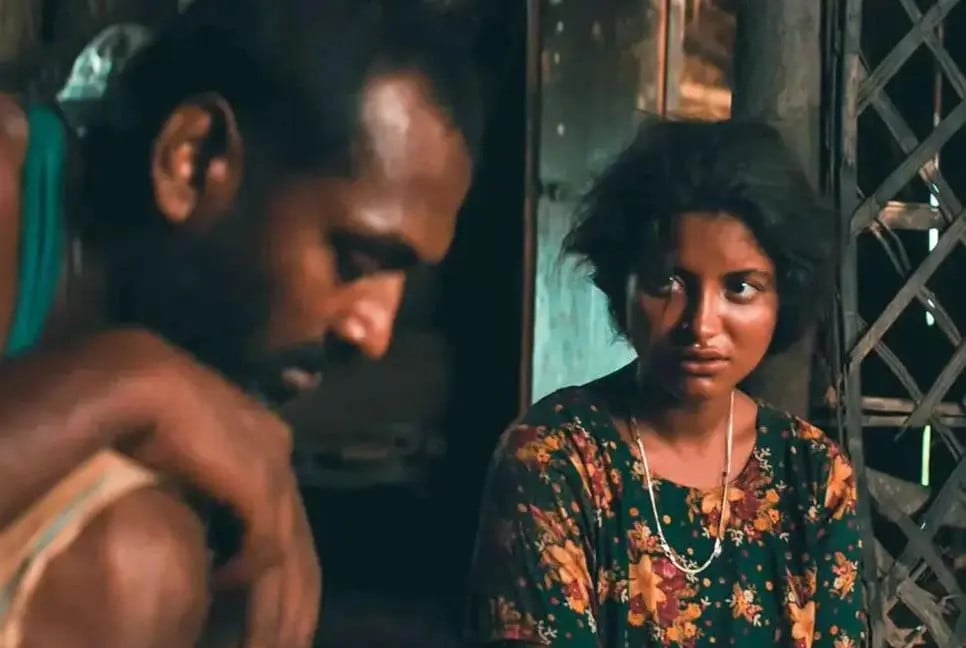
While Hind’s presence is conveyed through her real voice, the film also features a strong ensemble of actors who embody those around her story. The cast includes Saja Kilani, Motaz Malhees, Clara Khoury and Amer Hlehel, performers with deep connections to the region and its narratives. Their roles give dimension to the paramedics, family members and aid workers whose lives intersect with Hind’s final call.
The performances are marked by restraint, allowing space for the audience to absorb the reality of Hind’s voice. Rather than overshadowing her, the actors provide context, framing and emotional depth to a story already marked by its devastating authenticity.
The Venice premiere
Premiering at Venice in 2025, The Voice of Hind Rajab entered one of the most prestigious film competitions in the world. Its inclusion signals the festival’s recognition of the urgent political and human significance of the story. The film’s world premiere was accompanied by discussions of cinema’s role in bearing witness to atrocity and amplifying silenced voices.
With Brad Pitt and Joaquin Phoenix attached as executive producers, the film carried additional visibility on the international stage.
Gaza and global resonance
The events that inspired The Voice of Hind Rajab unfolded during one of the most destructive periods of the Gaza conflict. By focusing on one child, the film resists the anonymity of statistics and news reports, offering instead a human scale to overwhelming devastation.
Hind’s voice, preserved in the recording and echoed through the film, becomes both an individual testimony and a symbol of countless unheard pleas.
The connection to Gaza is not simply geographical; it is the soul of the narrative. The film confronts audiences with the vulnerability of children in war, forcing reflection on the responsibilities of governments, humanitarian organisations and ordinary citizens. In this way, Ben Hania’s work operates as both cinema and moral intervention.
Selection for Oscars 2026
Tunisia has officially selected The Voice of Hind Rajab as its submission for the Best International Feature Film category at the 98th Academy Awards.
With the shortlist expected around 16 December 2025 and the final nominees to be announced on 22 January 2026, Tunisia’s pick marks a significant step in the film’s journey in international cinema.
Conclusion
The Voice of Hind Rajab is more than a film; it is a haunting act of remembrance. Through Kaouther Ben Hania’s visionary direction, the authentic recordings of Hind’s final call, and the sensitive contributions of the cast, the film transcends traditional boundaries of drama and documentary.
By placing the words of a six-year-old girl at its heart, the film compels us to listen, not just to Hind, but to the many other voices drowned out by violence.
Courtesy: UNB
Bd-pratidin English/FNC