Few creations transcend time to become part of a nation’s collective heartbeat. “Notun Kuri” is one such legacy — not just a television programme but a living archive of dreams, a melody of childhood, and a movement that shaped Bangladesh’s cultural soul.
For children and teenagers across the country, Fridays once meant the joy of “Amra Notun, Amra Kuri,” a chorus that served as both anthem and doorway to hidden talent.
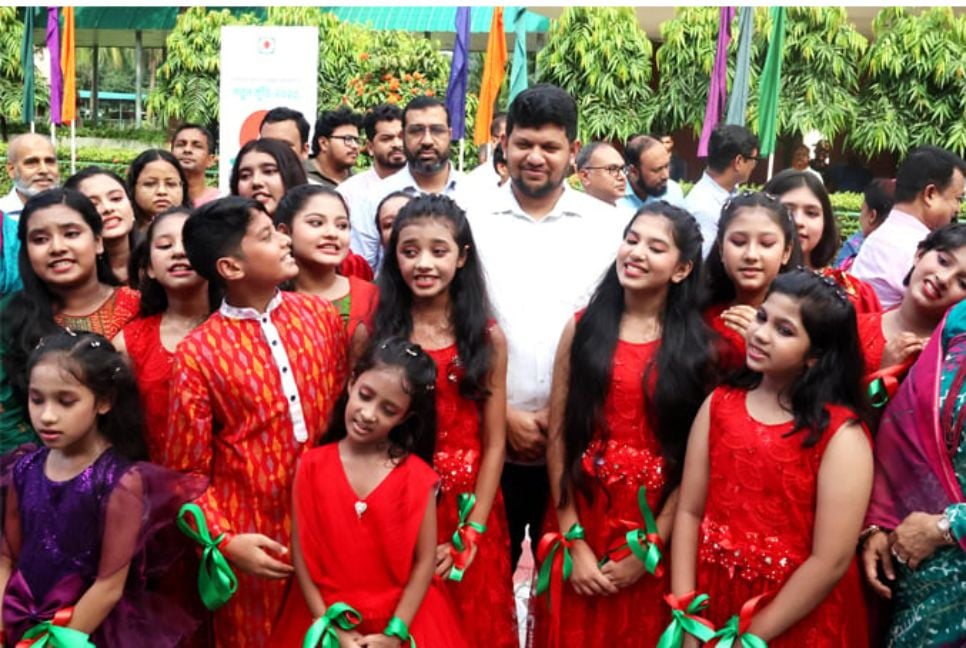
Now, nearly two decades after its disappearance, Notun Kuri has returned to Bangladesh Television (BTV), reigniting excitement and offering a new generation the same stage of discovery, reports BSS.
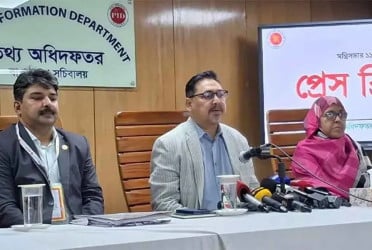
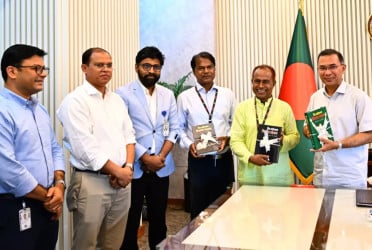
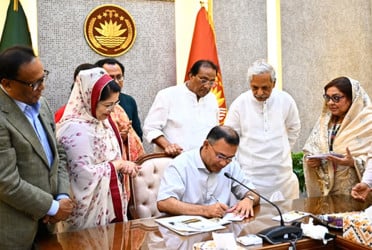
The programme, relaunched on August 17, was inaugurated by Information and Broadcasting Adviser Md. Mahfuj Alam, who remarked, “Beyond political divisions, this celebration of our art, literature, and culture will nurture creativity in the next generation. It marks the beginning of a new era.”
A legacy of talent
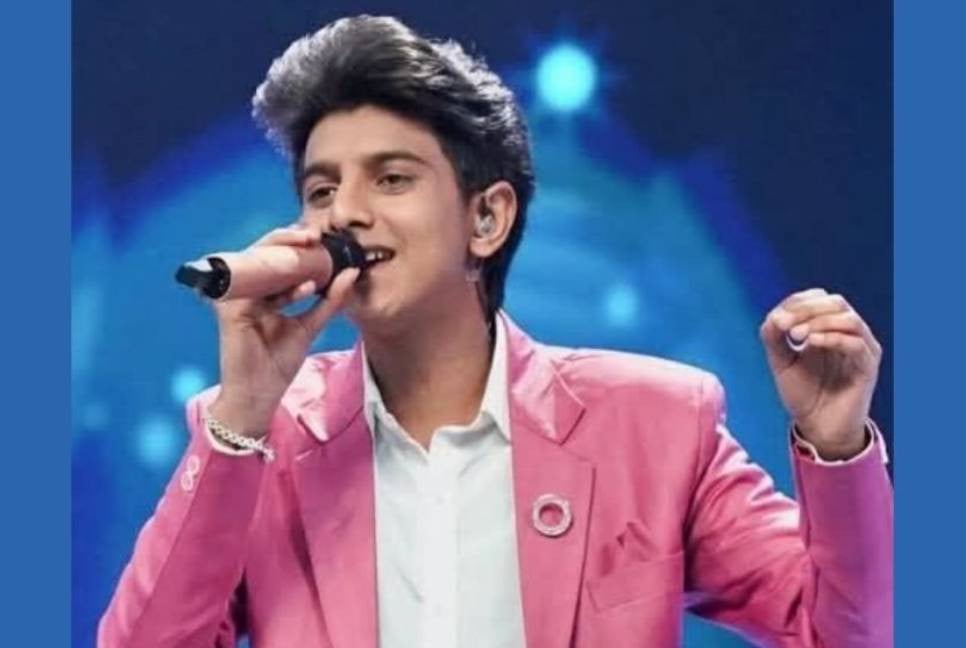
Since its launch in 1976, through the vision of Shaheed President Ziaur Rahman and cultural pioneer Mustafa Monwar, Notun Kuri has uncovered countless stars who went on to define Bangladeshi arts. From Nusrat Imrose Tisha, Rumana Rashid Ishita, Kanak Chapa, and Meher Afroz Shaon to Samina Chowdhury, Haimanti Rakshit Das, and dancer Chandni, the stage became a proving ground for cultural icons.
Singer Kanak Chapa recalled, “In 1978, at just seven years old, I participated in Notun Kuri and won first place in patriotic songs. That joy remains one of the most cherished memories of my life. Notun Kuri will once again serve as a platform for children to build dreams, not just for prizes, but for recognition that truly matters.”
Former champion Azad Rahman Shakil echoed her sentiment, saying, “The return of Notun Kuri after nearly 20 years brings immense joy to me. This is not just a competition; it is a grand stage for discovering the hidden talents within every child.”
New format, renewed purpose
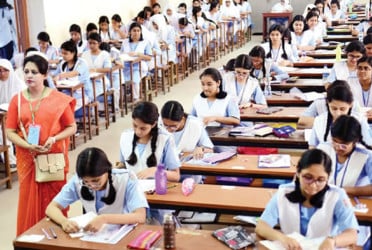
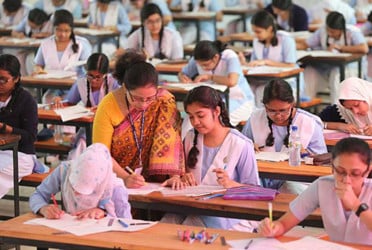
This year’s competition divides the country into 19 regions for selection rounds, culminating in a Dhaka finale. Contestants are grouped into two categories: Group A (6–11 years) and Group B (11–15 years), with options to compete in up to three disciplines.
The categories now include patriotic and modern songs, Rabindra and Nazrul Sangeet, folk, Hamd-Naat, acting, recitation, storytelling, comedy, and both classical and general dance.
Panels of seasoned experts will serve as judges, while the programme will be broadcast using modern technology to reach audiences nationwide.
Describing the revival as a “cultural wave,” BTV Director General Md. Mahbubul Alam told BSS, “Notun Kuri is not merely a platform; it is a national cultural movement. It will engage children and adolescents across the country in artistic pursuits and help steer them away from excessive digital dependency.”
He stressed transparency in the judging process and added, “We hope Notun Kuri continues for the next hundred years. Talent must not be lost, it must be nurtured. This program will keep the stream of our cultural heritage flowing.”
A cultural rebirth
Experts note that the absence of platforms like Notun Kuri has left children increasingly reliant on digital entertainment. Its return is therefore more than a nostalgic revival; it is seen as an investment in rebuilding cultural values, discipline, and patriotism among the youth.
Parents, too, share the excitement. One said, “My child is growing up in a small town. An opportunity to perform on a national stage will bring a transformative change in his life.”
From more than 9,000 young artists who joined the very first edition to today’s revival, the programme has always been about more than performance. It fosters teamwork, leadership, and respect for heritage.
As singer Kanak Chapa cautioned, “When art becomes commercialized, it loses its essence. So, in Notun Kuri, merit must be the sole criterion. We must remain vigilant to prevent favouritism.”
Echoes of the anthem
Once abruptly discontinued in 2006 due to political complications, Notun Kuri’s absence left a void in children’s cultural development. Its comeback has been met with waves of nostalgia online, with former contestants reminiscing, “Fridays in childhood were defined by Notun Kuri.”
Today, as children once again take the stage, the familiar song “Amra Notun, Amra Kuri” echoes across Bangladesh. The legacy of Notun Kuri — a blend of art, heritage, and youthful dreams — is reborn, ready to inspire the next generation of stars.
Source: BSS
Bd-pratidin English/FNC