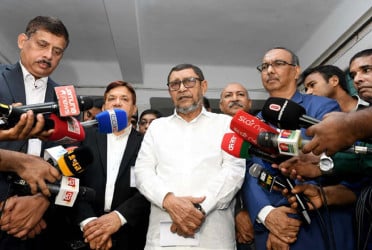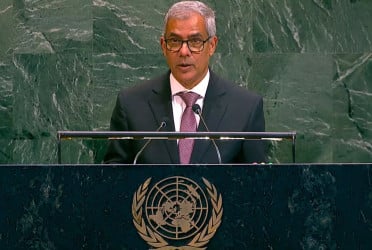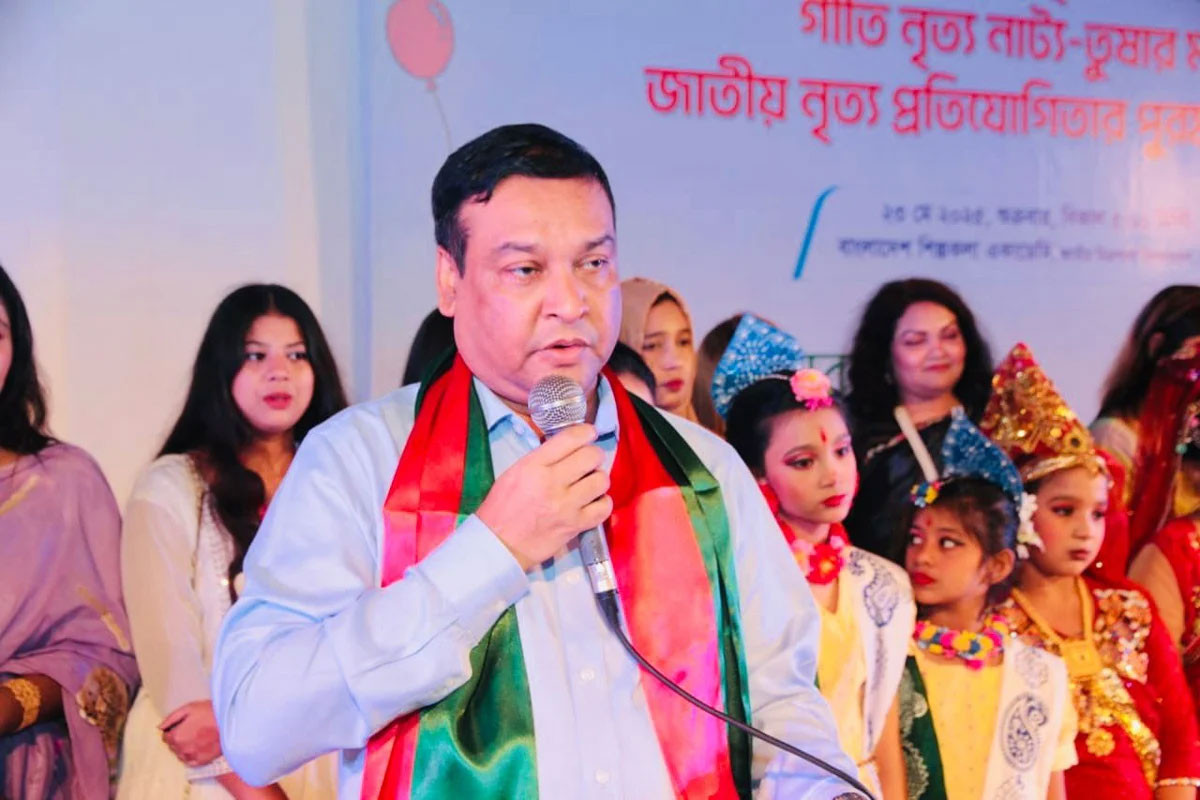
Bangladesh Federal Union of Journalists (BFUJ) Secretary General Kader Gani Chowdhury emphasized the urgent need to reject foreign cultural influences and strengthen national traditions during a discussion, awards ceremony, and cultural program marking the 34th anniversary of the children and youth organization Amra Kuri. The event was held at the National Art Gallery Auditorium at the Shilpakala Academy on Friday.
"Culture is a core element of a nation’s identity," Chowdhury said. "It reflects the essence of society. But when the reflection in that mirror distorts or contradicts the true image, it signals deep societal inconsistency."
He warned that harmful cultural imports stifle personal growth and erode national values. "A nation's identity, social values, and religious principles are embedded in its culture. While educational imports can aid development, cultural imports can erase ethnicity."
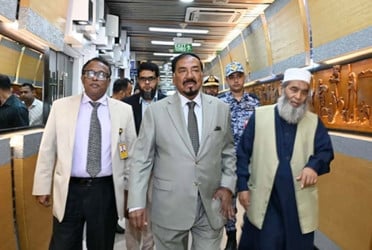
Chaired by ASM Kamal Uddin, the event featured notable figures including BNP Chairperson's advisor and freedom fighter Abdus Salam, Syed Alamgir, Ayub Bhuiyan, Nurul Azam Paban, Erfanul Haque Nahid, Masudul Haque, Rasheda Wahid Mukta, Amra Kuri Chairman Mushtaq Ahmed, and Secretary General Ferdous Ara Banya.
Kader Chowdhury lamented the growing dominance of foreign media and its adverse effects on local culture. “Our people now recognize Indian actors more than their own. While our local filmmakers struggle, foreign films flourish in our cinemas. Bengali music is vanishing, replaced by Hindi and English songs—even during traditional ceremonies like weddings and picnics.”
He noted that television content from Indian channels such as Star Jalsa, Zee Bangla, and Star Plus have deeply influenced women, often to the detriment of family and social responsibilities.
"The worst cultural aggression is seen in clothing," he added. "Torn jeans, bizarre hairstyles, and suggestive clothing are now viewed as modern, pushing our youth further into subcultural trends modeled after the West."
While acknowledging that technology has opened the floodgates of global culture, Kader Gani stressed that passive acceptance is not an option. "We must proactively nurture our cultural roots, accept only the positive from abroad, and fortify our own heritage."
He also spoke about the role of culture in education. "True educational culture involves freedom of expression, creativity, and participation. Children must not be confined to textbooks. They need sports, arts, and cultural exposure to become socially aware and tolerant individuals."
Bd-pratidin English/ Jisan