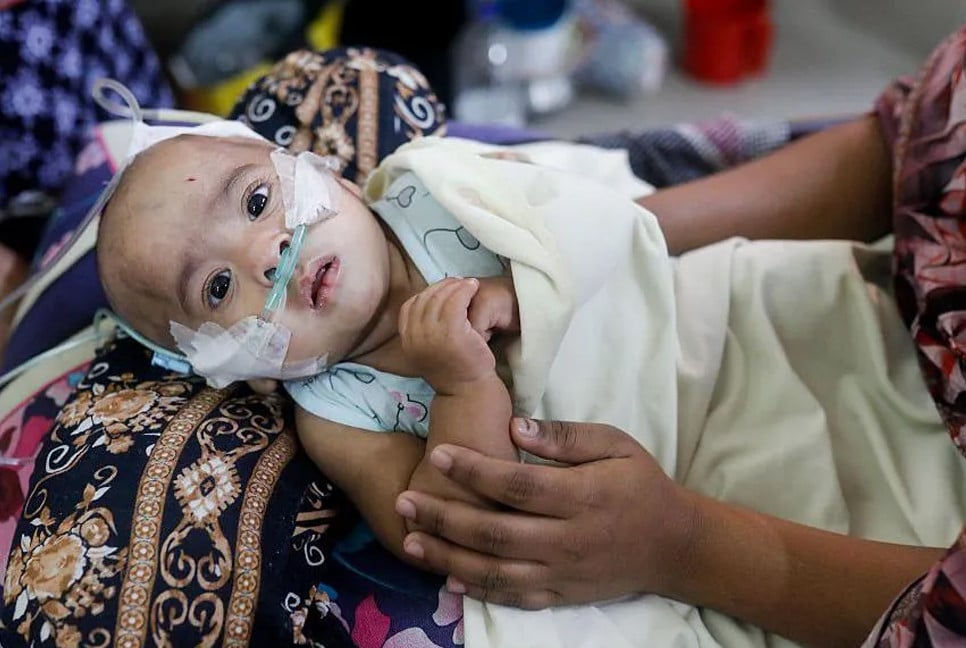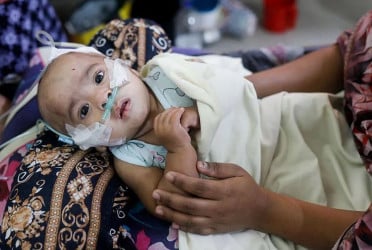
More than three and a half months after the interim government left office, its former advisers remain the subject of public debate over various decisions and actions taken during their tenure. Following the deaths of more than 500 children due to a measles outbreak, protests and effigy burnings targeting the former Chief Adviser and Health Adviser have taken place in different parts of the country.
Fresh controversy has emerged after several former advisers spoke to the media about the interim government's decision-making process and an alleged “kitchen cabinet”. While a few advisers have returned to normal life, most of the more prominent and outspoken figures have remained largely out of the public eye. Some have travelled abroad, while others have returned to their previous professions but are not attending offices regularly and are avoiding public gatherings. Sources say that many advisers still fear mob hostility. Those who largely avoided controversy have resumed their normal routines.
Since the interim government’s departure, various quarters have demanded investigations into alleged corruption during its tenure. Recently, BNP Member of Parliament and freedom fighter Fazlur Rahman, speaking at an event in Kishoreganj, called for an inquiry, alleging that the interim government led by Dr Muhammad Yunus had “destroyed four generations” and that advisers under the age of 30 had siphoned off hundreds of crores of taka abroad. Responding to media questions in April, Prime Minister’s Information and Broadcasting Adviser Dr Zahed Ur Rahman promised that allegations of corruption against the interim government would be investigated. This renewed attention on the foreign travel of former advisers, particularly the visit of former Cultural Adviser Mostofa Sarwar Farooki and his wife to Australia, which sparked widespread discussion on social media. However, inquiries suggest that most former advisers remain in Bangladesh.
After stepping down, former Chief Adviser Dr Muhammad Yunus moved into his residence in Gulshan and devoted time to caring for his ailing wife. He also continued working on his “Three Zeros” vision—zero poverty, zero unemployment and zero net carbon emissions—as well as social business initiatives. On 27 May, ahead of Eid, he left Dhaka for Paris accompanied by long-time colleague Lamia Morshed. He later attended various events in the Netherlands. According to several sources, Dr Yunus and Lamia Morshed visited Berlin Story Bunker Museum in Germany on 31 May, where they were seen standing in front of a reconstruction of Adolf Hitler and Eva Braun’s bedroom.
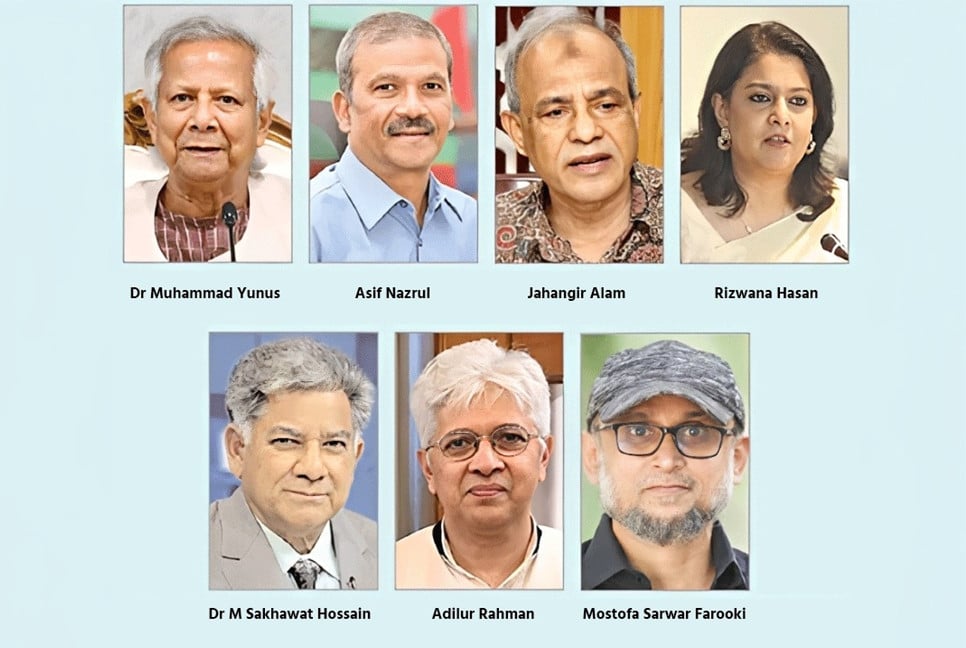
Former Foreign Adviser Mohammad Touhid Hossain remains in Dhaka. In several recent interviews, he claimed that a seven-member informal “kitchen cabinet” operated outside the formal advisory council and was responsible for key decisions. He further alleged that the Foreign Ministry had no involvement in the much-discussed trade agreement signed with the United States just three days before the interim government left office. He also said that interference by other advisers in his ministry led him to consider resigning at least three times.
Former Shipping and Labour Adviser Brigadier General (Retd) Dr M Sakhawat Hossain is spending his time on research and writing and says he is considering a return to university teaching. Former Fisheries and Livestock Adviser Farida Akhter has returned to her organisation UBINIG and has been publicly criticising the interim government’s trade agreement with the United States, calling for parliamentary scrutiny.
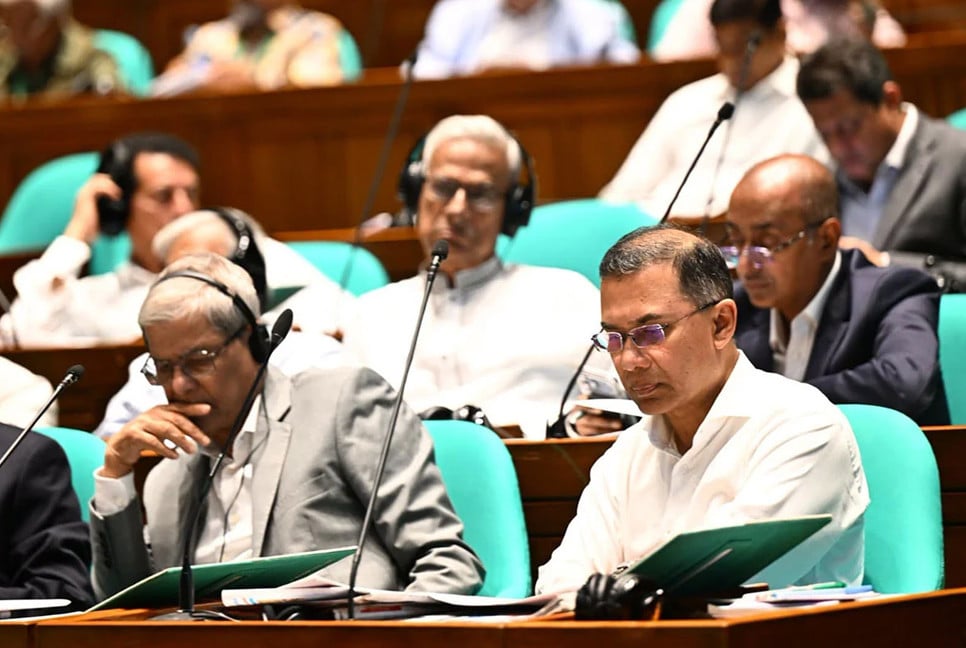
Former Home Adviser Lt Gen (Retd) Md Jahangir Alam Chowdhury is spending a quiet retirement at his residence in the cantonment. He said on Sunday that he had spent the day watching parliamentary proceedings on television and is currently resting rather than writing.
Former Food and Land Adviser Ali Imam Majumder said he is spending his time writing. In a recent interview, he also referred to Dr Yunus’s alleged kitchen cabinet, saying it met every Tuesday. Former Social Welfare Adviser Sharmeen S Murshid recently returned to the office of her organisation Brac in Uttara for the first time in a long period. Colleagues said she held meetings throughout the day and plans to attend the office regularly from now on.
Former Environment Adviser Syeda Rizwana Hasan resumed her role as Chief Executive of the Bangladesh Environmental Lawyers Association (BELA) on 18 February, one day after leaving office. However, she has yet to launch any major public environmental campaigns. Speaking by phone recently, she said she had been occupied with caring for an ill aunt in hospital. Former colleagues noted that although they once met her regularly, communication now mainly takes place via WhatsApp.
Former Cultural Adviser Mostofa Sarwar Farooki has largely remained out of public view since leaving office. He recently travelled quietly to Australia with his wife, actress Nusrat Imrose Tisha. His trip drew criticism on social media, including from actress Aruna Biswas, who suggested he might not return to Bangladesh.
Although Farooki remains highly active on Facebook, he initially said nothing about the visit, fuelling speculation. Addressing the issue in a Facebook post on Sunday, he wrote that he had entered government knowing there would be a “price to pay” for doing good work, but had never imagined it would be so severe. He argued that the criticism and coordinated propaganda against him indicated that he had carried out his responsibilities effectively. However, he did not explain the purpose of his Australian trip or indicate when he plans to return.
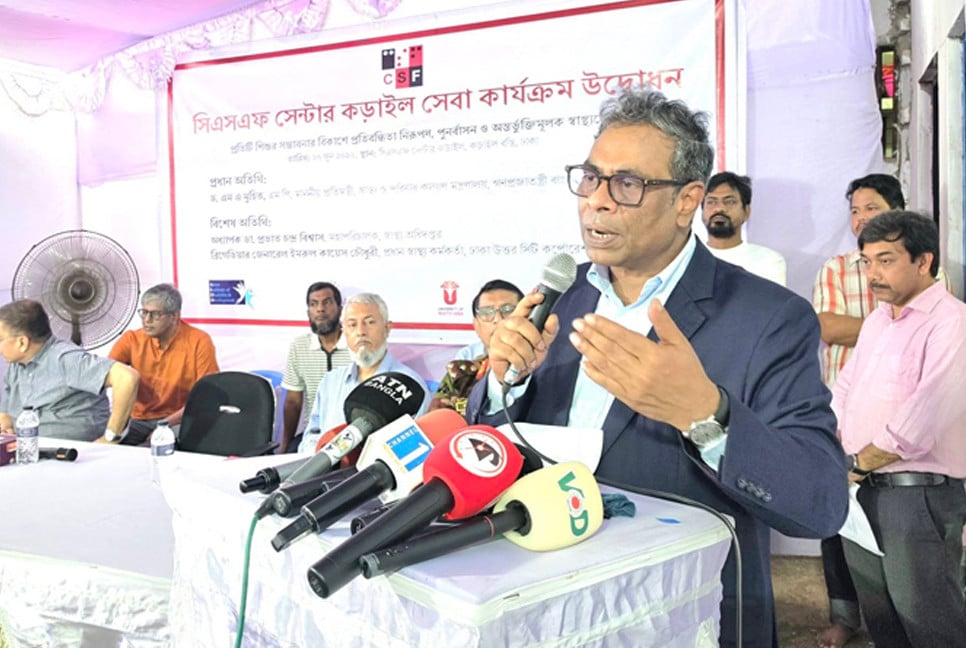
Former Finance Adviser Dr Salehuddin Ahmed has returned to academia at BRAC University, where he is teaching and advising on banking sector reforms.
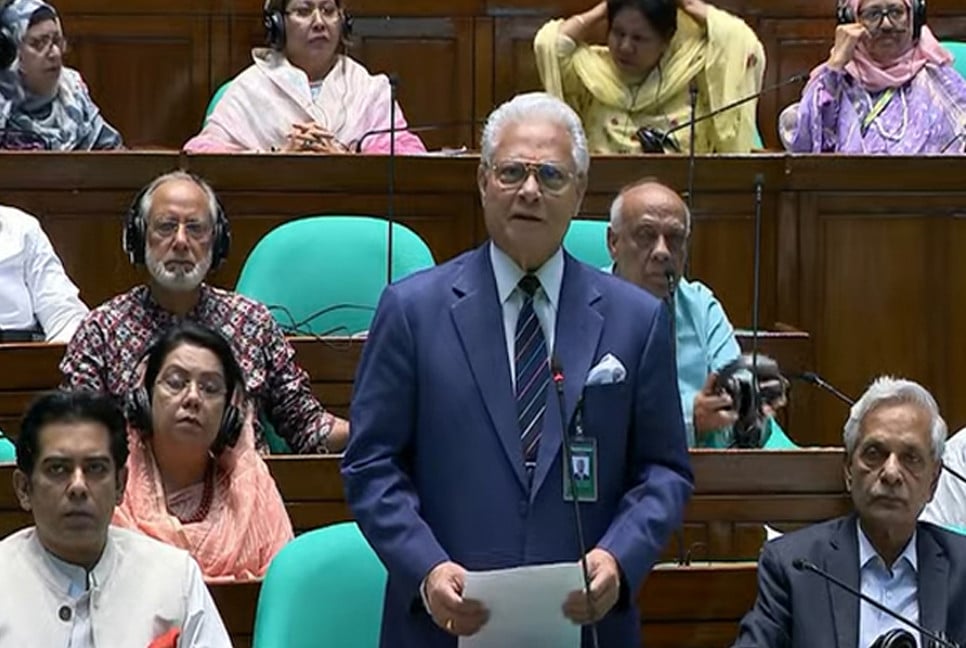
Former Planning Adviser Wahiduddin Mahmud is living on Park Road in Baridhara and has begun writing two books. He rarely goes out and spends much of his leisure time painting.
Former Commerce Adviser Sheikh Bashir Uddin has returned to the Akij-Bashir Group but is rarely seen in public or at the ministry. Sources say he is focusing primarily on Akij-Bashir Aviation.
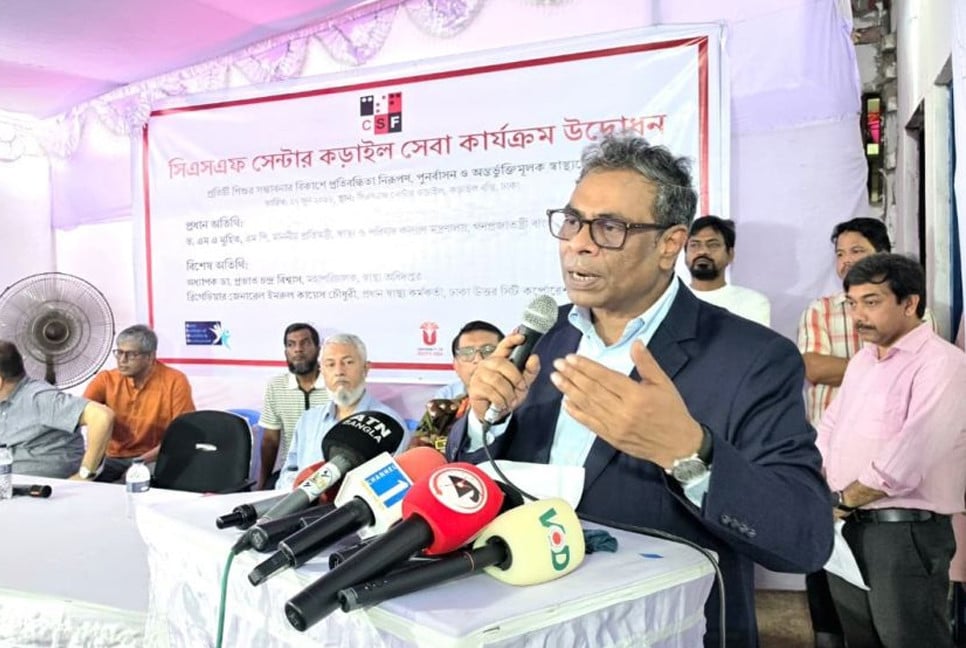
Former Health Adviser Nurjahan Begum returned to her previous position at Grameen Bank after leaving office. However, following the outbreak of child deaths linked to measles, she has largely withdrawn from public life. She is reportedly living in seclusion at her flat in the capital, avoiding contact with the public and the media. Even close relatives are said not to know her address, and she is not answering phone calls.
Former Industries Adviser Adilur Rahman Khan has returned to his NGO Odhikar but has not been seen at public events. Although Odhikar organised meetings and rallies in 23 districts on 23 May to mark the International Week of the Disappeared, he did not attend. A visit to the organisation’s Gulshan office on Sunday failed to locate him. Security staff said he had left in the morning and that a meeting involving foreign nationals was under way.
Former Law Adviser Asif Nazrul has resumed teaching at the University of Dhaka’s Faculty of Law. Students say that after initially attending only occasionally, he is now teaching regularly. He also remains active on Facebook, commenting on current affairs.
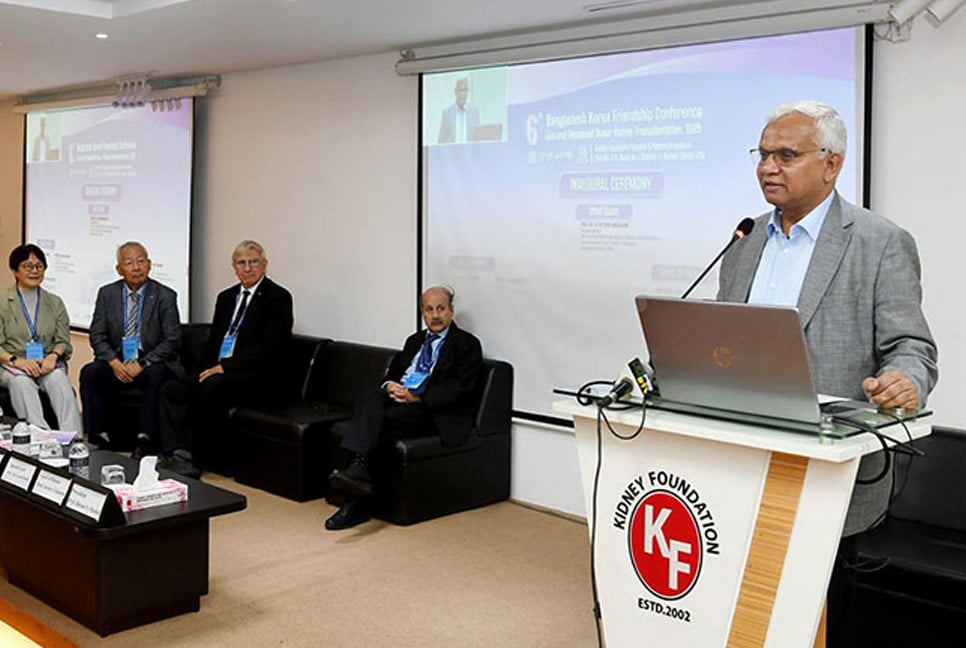
Former Power and Energy Adviser Dr Muhammad Fouzul Kabir Khan has also returned to teaching, joining BRAC University, where he is responsible for the institution’s Centre for Energy and Logistics in addition to his academic duties.
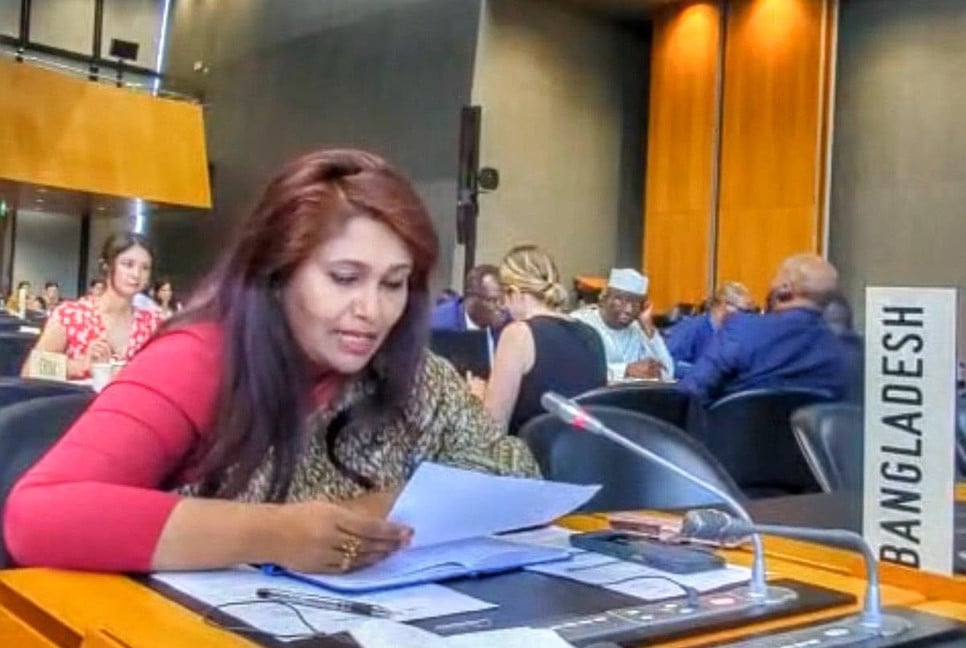
Former National Security Adviser Dr Khalilur Rahman has become Foreign Minister in the new government under the technocrat quota. He recently returned after being elected President of the 81st Session of the United Nations General Assembly.
Meanwhile, former Education Adviser C R Abrar, former Liberation War Affairs Adviser Faruk-e-Azam, former Religious Affairs Adviser A F M Khalid Hossain, former Primary and Mass Education Adviser Professor Dr Bidhan Ranjan Roy Poddar, and former Chittagong Hill Tracts Affairs Adviser Supradeep Chakma are all understood to be working with various institutions within Bangladesh.
Bd-pratidin English/ ANI