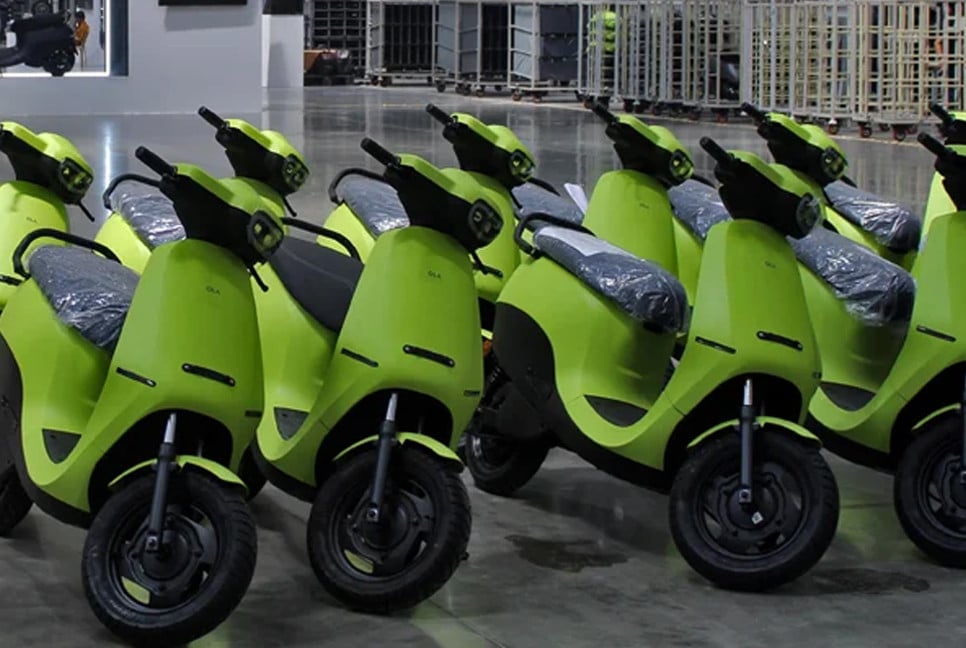
A fuel crisis triggered by the US-Israel war on Iran has pushed up demand for electric bikes in Bangladesh, with consumers seeking cheaper and hassle-free alternatives, reports Daily Star.
In Dhaka’s congested streets, commuting often means battling traffic and parking problems. The situation worsened in March as fuel shortages emerged, prompting many vehicle owners to consider electric two-wheelers.
Mohammad Emrul Kayes, a Supreme Court lawyer, said he recently bought an electric motorcycle from Runner Motors Limited to ease daily fuel-related hassles.
“For me, it was about solving everyday hassles I face while buying fuel,” he said, adding that long queues at filling stations influenced his decision.
“The e-bike changed that. It’s quick, simple, and stress-free,” Kayes added.
Industry data shows monthly e-bike sales surged from an average of 800 to 1,000 units to around 2,200 units in March, marking more than 100 percent growth. Sales could reach 3,000 units if the trend continues, market insiders said.
Several local and international brands, including Runner, Walton and Pran-RFL, have entered the growing EV market.
Nazrul Islam, managing director of Runner Group, said shifting away from fossil fuels is becoming increasingly important. Runner currently offers 12 models of Yadea-branded e-bikes priced between Tk 90,000 and Tk 315,000.
He said e-bikes are structurally simpler than conventional vehicles, resulting in significantly lower maintenance costs. Households using solar power can also charge EVs at minimal expense, he added.
Despite growing interest, adoption remains limited. Annual sales range between 12,000 and 16,000 units, accounting for just 2 to 3 percent of the country’s motorbike market. Concerns over charging infrastructure, battery life and range persist.
Walton sells seven models of TAKYON e-bikes. Md Touhidur Rahman Rad, chief business officer at Walton Digi-Tech Industries Limited, said demand jumped by up to 85 percent in March when fuel shortages intensified.
He said e-bike demand has grown by 10 to 15 percent annually over the past three years. “On a single charge, riders can travel between 80 and 130 kilometres, depending on the model,” he added.
Kamruzzaman Kamal, marketing director at Pran-RFL Group, said sales of its RYDO e-bikes increased by about 60 percent after fuel shortages emerged. He also stressed the need for supportive policies and improved charging infrastructure to accelerate adoption.
Bd-Pratidin English/ AM