The Bangladesh Cement Manufacturers Association (BCMA) has called for sweeping tax reforms to help the country’s cement industry cope with rising production costs and declining utilisation.
The association submitted its pre-budget proposals to the National Board of Revenue (NBR) on Wednesday.
In its proposal, the BCMA urged the government to reduce customs duty on cement clinker-one of the industry’s key raw materials-from the existing 15 percent to a flat Tk500 per metric ton.
According to the association, such a move would significantly cut production costs and provide relief to manufacturers.
The industry body also recommended lowering advance income tax (AIT) on essential inputs including clinker, slag, limestone, and gypsum. Currently ranging between 2 and 5 percent, the BCMA proposed a uniform rate of 0.50 percent, arguing that the reduction would allow companies to reinvest savings into production and improve efficiency.
In addition, the association sought a reduction in advance tax (AT) on imported raw materials from 2 percent to 1 percent. It said the measure would ease financial pressure on producers who rely heavily on imported inputs and help maintain competitive pricing in the domestic market.
Another key demand was the withdrawal of the 10 percent supplementary duty on limestone. The BCMA noted that the duty adds unnecessary cost burdens and its removal would make cement more affordable, supporting demand in the construction sector.
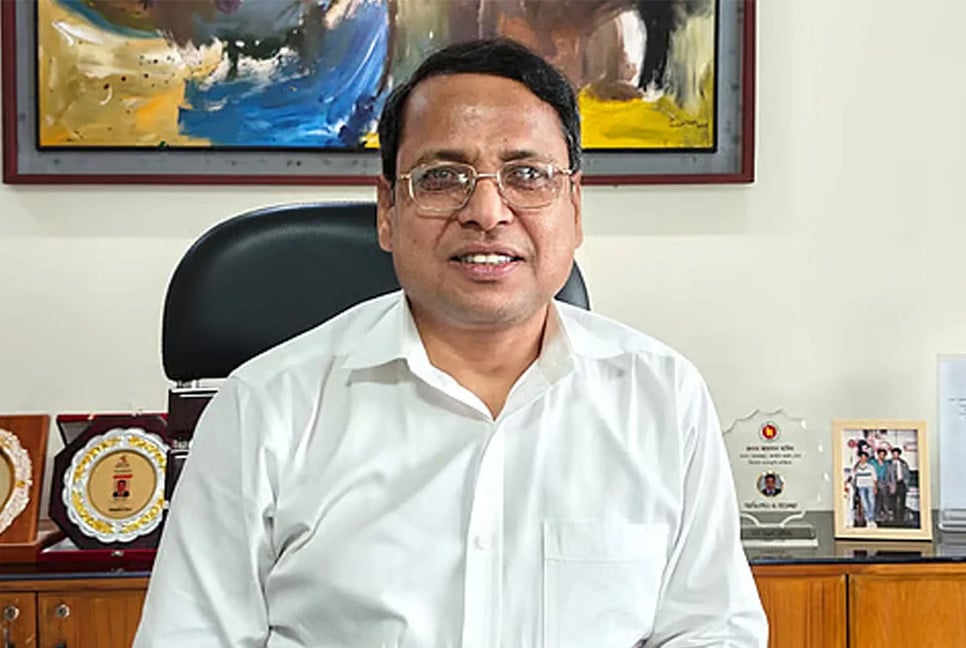
Speaking on the sector’s condition, BCMA President Mohammed Amirul Haque said the industry had invested heavily in anticipation of infrastructure growth, building an annual installed capacity of nearly 100 million metric tonnes, with over 82 million tonnes considered effective capacity.
However, he noted that utilisation has dropped sharply amid the ongoing economic slowdown. In 2025, cement production did not exceed 40 million metric tonnes, meaning the industry operated at less than half of its effective capacity—well below the 60–65 percent threshold considered necessary for sustainability.
Industry players are also grappling with rising interest rates, increasing input costs, and weakened demand linked to global conflicts, further intensifying the crisis.
“Tax rationalisation would help the industry absorb the ongoing shocks,” Haque said, stressing the need for timely policy support.
Experts say that without immediate fiscal relief, the sector may struggle to sustain growth despite its significant capacity and role in supporting Bangladesh’s infrastructure development.
bd-pratidin/GR