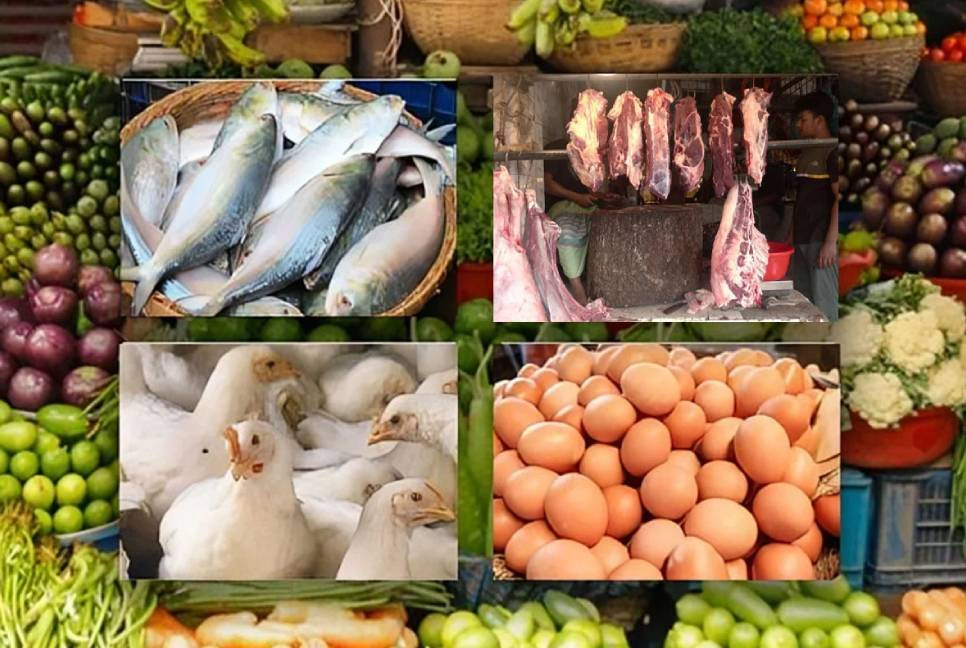
Food inflation in Bangladesh has emerged as a renewed cause for concern, with the country now placed on the World Bank’s ‘red list’ of high-risk nations due to persistently elevated food prices. The prolonged rise in the cost of essential commodities is increasingly affecting the daily lives of ordinary people.
While the World Bank presented global food inflation trends up to November last year, the Bangladesh Bureau of Statistics (BBS) has released updated figures through February 2026.
According to BBS data, food inflation stood at 9.30 percent in February, marking the highest level in the past 13 months. Previously, it had peaked at 10.72 percent in January 2025 before easing slightly, only to rise again over the past five consecutive months.
Non-food inflation also remains high, recorded at 9.1 percent in February.
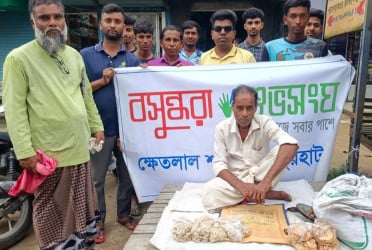
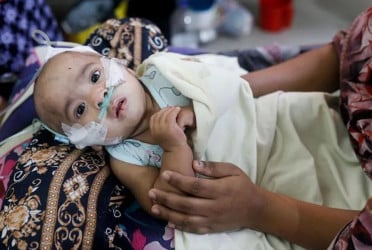
Economists warn that the trend is placing the greatest strain on low- and middle-income groups, who spend a significant portion of their earnings on food—often up to two-thirds of their total income. Even minor price increases can therefore have a substantial impact on their living standards.
In practical terms, goods that cost Tk100 a year ago now require Tk109.30, reflecting the 9.30 percent rise. Many households are being forced to either rely on borrowing or cut back on food consumption to cope with the higher expenses.
Experts describe inflation as an “invisible tax”, eroding purchasing power even when incomes remain unchanged. If high food inflation persists, it could exacerbate poverty levels and increase the risk of malnutrition.
Bangladesh has experienced relatively high food inflation for more than three years—an unusually prolonged period compared to past trends—leading to sustained hardship for lower-income groups.
Under the World Bank’s classification, countries with high food inflation are categorised by colour codes, with ‘purple’ indicating the most severe risk and ‘red’ denoting high risk. Bangladesh’s current position on the red list underscores the seriousness of the situation.
Globally, some countries face even more acute challenges. Malawi has remained in the purple category for nine consecutive months, while Iran and Zambia have been listed for eight months, and Türkiye and Argentina for seven months. Conversely, several countries have managed to improve their situations, moving from red or purple categories to lower-risk classifications such as yellow or green.
Overall, the continued rise in food inflation is not merely an economic indicator but a pressing issue affecting everyday life. With expenditures rising faster than incomes, many people are confronting increasingly difficult circumstances, prompting calls for effective policy measures to address the situation.
bd-pratidin/GR