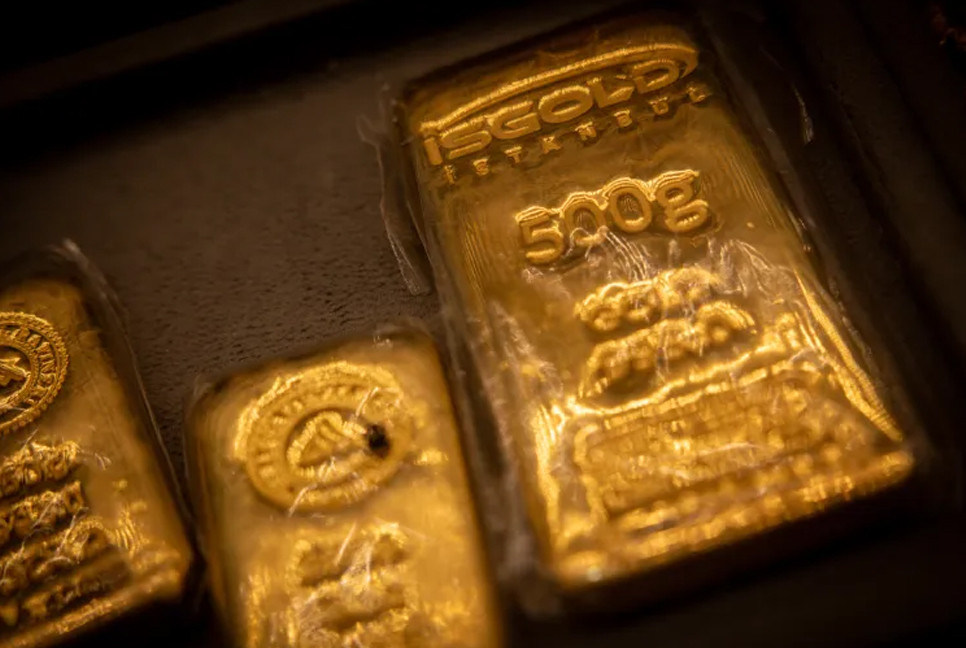
As the war involving Iran entered its third week, gold prices have remained unexpectedly stable, defying typical market behaviour during times of geopolitical crisis, reports Al Jazeera.
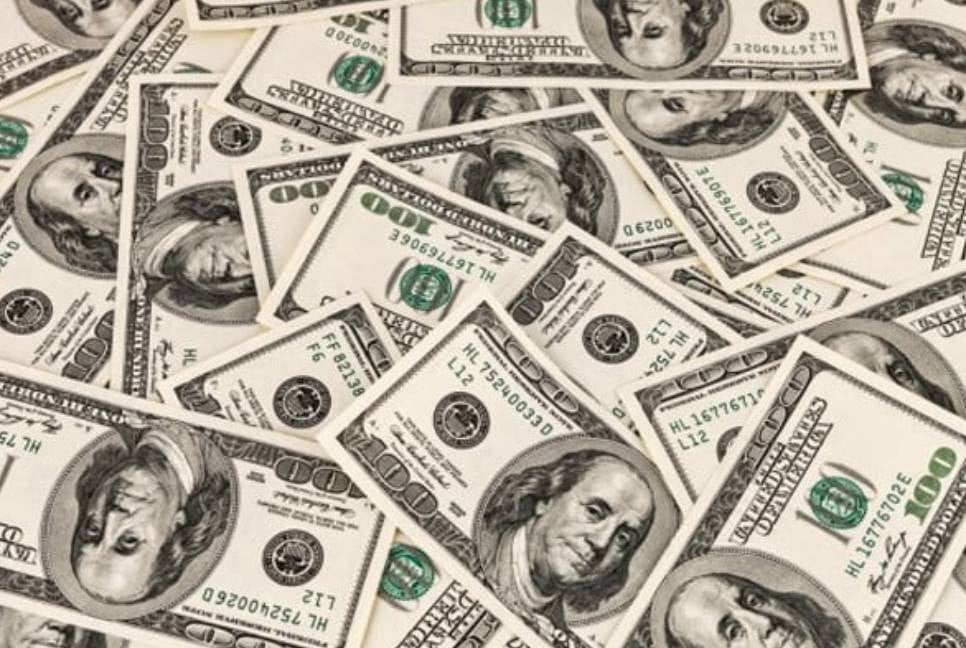
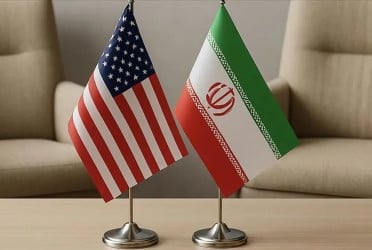
Despite escalating tensions since the United States and Israel launched strikes on Iran on February 28, gold — traditionally viewed as a safe-haven asset — has hovered around $5,000 per ounce. On Tuesday, spot gold was recorded at about $5,001, with futures showing only marginal gains.
The stability has surprised analysts, as gold prices usually surge during global conflicts and economic uncertainty. For example, prices rose sharply following Russia’s invasion of Ukraine, driven by panic in financial markets and increased demand from central banks.
However, experts say several factors are currently limiting gold’s rise.
One key reason is expectations around US interest rates. Analysts believe markets anticipate that the Federal Reserve may halt rate cuts or even raise rates to counter inflation. Higher interest rates tend to strengthen the US dollar, making dollar-based assets more attractive compared to gold, which does not yield interest.
The strength of the US dollar itself is also playing a role. As gold is traded in dollars, a stronger dollar can suppress demand by making gold more expensive for foreign investors.
Another factor is that gold had already seen significant gains earlier this year, reducing its sensitivity to new shocks. Analysts note that prices are already well above historical averages, limiting further upward momentum.
Some experts also suggest that gold is currently viewed as a more speculative asset than in the past, making traditional investors more cautious.
Looking ahead, analysts say gold prices could rise if the conflict becomes prolonged or if the Federal Reserve signals a shift towards lower interest rates.
Bd-pratidin English/TR