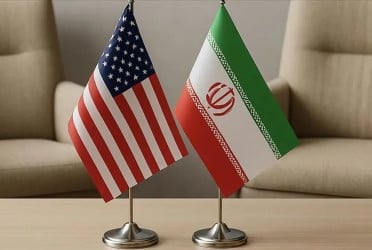
Despite escalating tensions across the Middle East following joint attacks by the United States and Israel on Iran, Bangladesh’s remittance inflows have shown remarkable resilience, posting strong growth and supporting the country’s foreign exchange reserves.
Nearly 38% of Bangladesh’s remittances originate from Gulf countries, making the region a critical source of foreign currency. Although Bangladeshi expatriates in the Middle East are facing uncertainty and anxiety amid the ongoing instability, remittance inflows have not suffered any major setback. Instead, inflows have increased, driven largely by seasonal factors such as the upcoming Eid and the payment of zakat.
According to the Bangladesh Bank data, remittances reached $2.25 billion in the first 14 days of March, marking a significant increase from $1.62 billion during the same period last year. This represents a growth of more than 35.7%. Notably, $284 million was received in just three days between 12 and 14 March.
Overall, remittance inflows during the current fiscal year (2025-26), from 1 July to 14 March stood at $24.65 billion, compared to $20.11 billion in the corresponding period of the previous fiscal year, reflecting a growth of about 22.6%.
The robust inflow has also bolstered Bangladesh’s foreign exchange reserves. As of 16 March, reserves rose to $34.22 billion. Under the International Monetary Fund’s BPM-6 methodology, reserves were recorded at $29.52 billion.
Syed Mahbubur Rahman, former chairman of the Association of Bankers, Bangladesh (ABB) and managing director of Mutual Trust Bank, said expatriates are continuing to send money home despite the tense situation. “Many are remitting funds ahead of Eid, while others are sending money for zakat, which has helped sustain the inflow,” he noted.
Dollar gains amid rising demand
The ongoing Middle East crisis has pushed up the demand for US dollars in the local market, which in turn increased the demand for remittance dollars, causing a rise in exchange rates across the board.
Banks purchased remittance dollars at around Tk123.30 over the past two working days, up from Tk122.90 earlier in the week. Import-related dollar rates have also climbed, exceeding Tk123.50, compared to around Tk122.50 just a week earlier. In the open market, the dollar has surged to as high as Tk126.80.
Business leaders have criticised banks for raising dollar rates, alleging that lenders are taking advantage of the geopolitical situation. They argue that the sudden increase by about one taka-has already raised import costs, which could soon translate into higher consumer prices.
Banking sector sources, however, attribute the rise to global uncertainty. Foreign remittance houses are reportedly offering higher prices for dollars, pushing local banks to increase their buying rates. Previously, remittance dollars were purchased at around Tk122, but rates have now crossed Tk123.
Mustafa K Mujeri, former chief economist of the Bangladesh Bank, emphasised the importance of safeguarding the country’s expatriate workforce in the Middle East. “The government must stand by Bangladeshi workers abroad and provide necessary support to ensure their security,” he said. He also pointed out that post-conflict reconstruction in affected countries could create new employment opportunities for Bangladeshi workers.
Bangladesh Bank data also show a steady increase in the average dollar rate, rising from Tk122.33 on 3 March to Tk122.58 on Tuesday, and further to Tk122.75 on Thursday.
Call for caution and policy stability
Amid the uncertain global outlook, leading economists have urged Bangladesh Bank to prioritise maintaining foreign exchange reserves. In a recent meeting with the central bank, eight prominent economists warned that the full extent of the crisis remains unclear and could exert additional pressure on reserves and the currency if it escalates.
They advised against any immediate reduction in policy interest rates, suggesting that such measures should only be considered once the situation stabilises. Lower interest rates, they noted, could later help stimulate investment.
The economists also recommended diversifying energy sources to reduce reliance on the Middle East. Additionally, they cautioned against passing rising global costs directly onto consumers, warning that such a move could further accelerate inflation.
Bd-pratidin English/ ANI