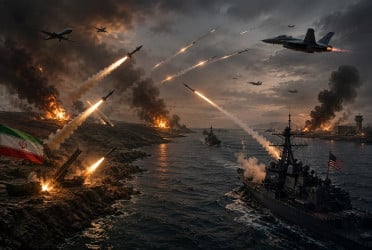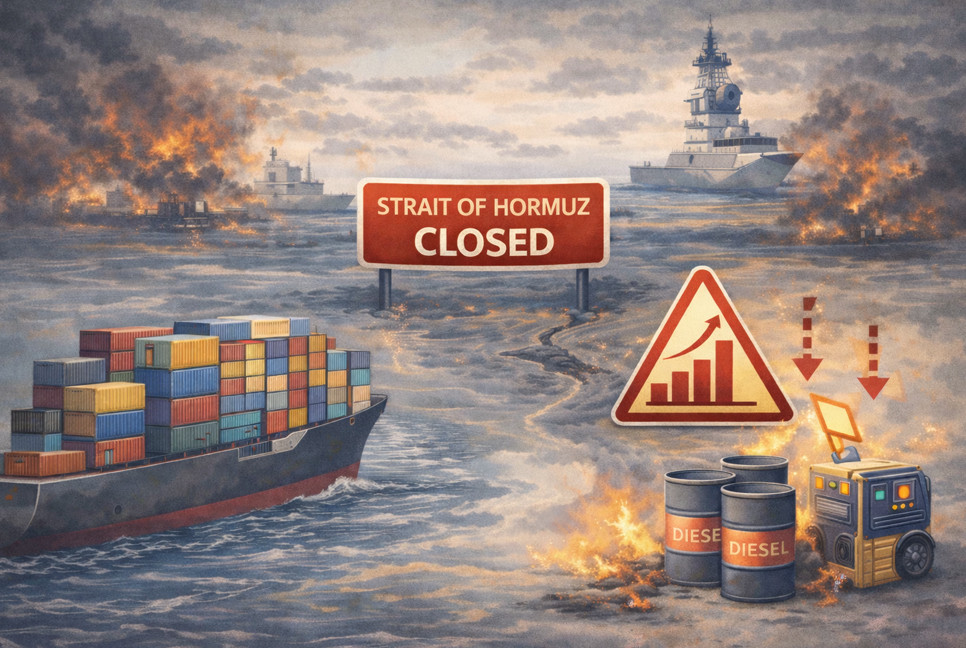
Country’s import-export sector is facing growing disruption as the war involving Iran, the United States and Israel affects energy supply routes and global shipping, raising costs for businesses and exporters.
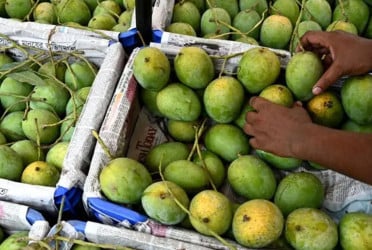
Traders say the situation around the Strait of Hormuz, a key global shipping route, has severely affected trade with the Middle East. Exports of vegetables to the region have nearly stopped, while shipping costs for garment exports to Europe have increased.
Industry insiders also report disruptions in emergency shipments and business communication. Exporters are finding it difficult to send samples by air or exchange urgent documents with international buyers, complicating the process of securing export orders.
At the factory level, production has also been affected by the fuel crisis and increased electricity shortages. Many garment factories rely on diesel-powered generators during load shedding, but diesel shortages have made it difficult to maintain operations.
International shipping companies have imposed additional surcharges on containers bound for the Middle East, while some shipping lines have temporarily suspended cargo bookings for Gulf destinations due to rising security risks in the Strait of Hormuz.
Traders note that about 17 million barrels of crude oil pass daily through the Strait of Hormuz, accounting for roughly 20 percent of global seaborne oil trade, making the route critical for international energy supply.
The Dhaka Chamber of Commerce and Industry (DCCI) warned that prolonged high oil prices could put serious pressure on Bangladesh’s external sector. It estimates that a $10 increase in global oil prices could raise Bangladesh’s monthly import costs by $70–80 million, increasing demand for foreign currency and potentially widening the trade deficit.
The chamber also cautioned that rising fuel prices and disruptions in global shipping could sharply increase the cost of both imports and exports.
As a result, the demand for foreign exchange will increase and there may be a risk of widening the trade deficit.
In addition, in addition to the increase in fuel costs, the ongoing conflict centered on the Strait of Hormuz is also affecting the international shipping system.
DCCI believes that if the level of conflict increases further, there is a risk of an alarming increase in costs in both imports and exports. Bangladesh's export-oriented industrial sector, especially the ready-made garment sector, is facing high logistics costs, supply chain disruptions and additional risks in sea transportation in this situation.
BKMEA President Mohammad Hatem said that imports and exports are being disrupted to some extent. Due to the closure of shipping through the Strait of Hormuz, garment exports to Middle Eastern countries have been completely halted. Instead of the Strait of Hormuz, ships are traveling through the Atlantic Ocean. This takes an additional 10 days.
However, the biggest problem facing the export sector in the Middle East's energy crisis is to continue production. Because load shedding in electricity has increased a lot due to lack of fuel.
In some areas, there is load shedding for 5 hours. On average, there is 3 hours of load shedding now. Generators are forced to run. Generators run on diesel. However, diesel is not available from filling stations. Due to this, it is not possible to produce products for export orders as per the target.
Bd-pratidin English/TR