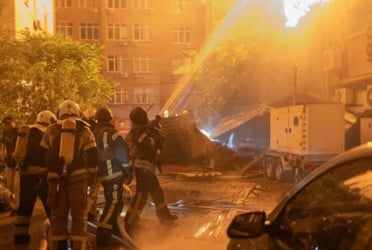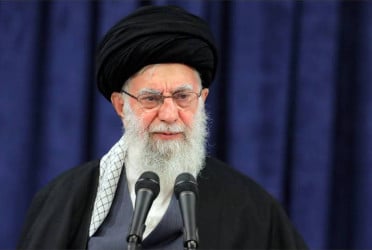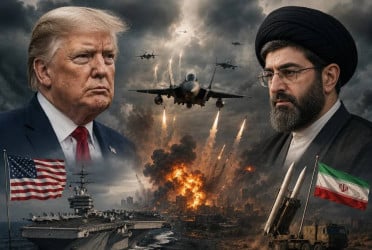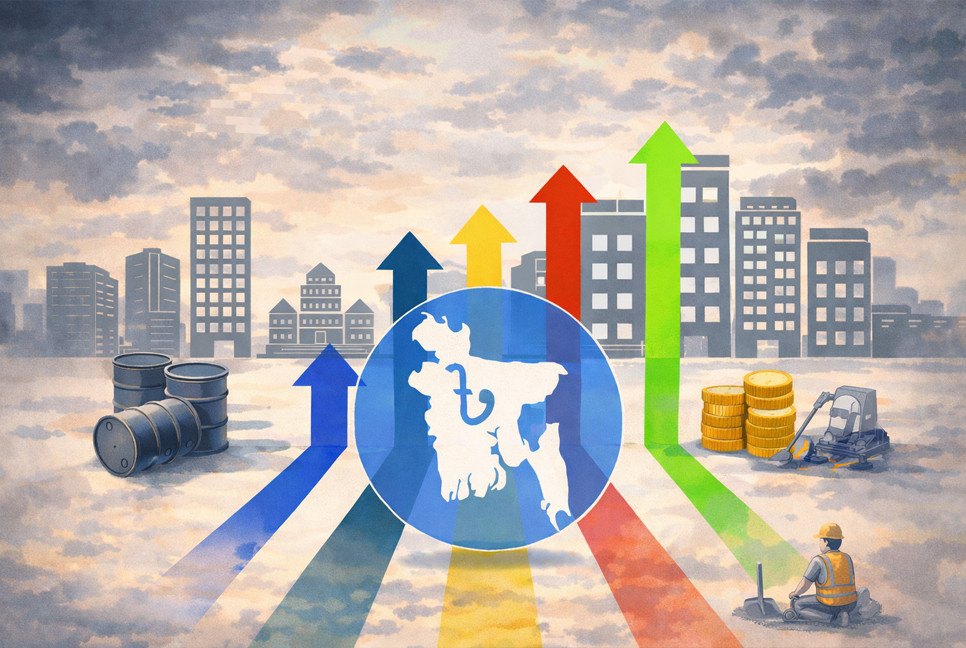
Bangladesh’s economy faces renewed uncertainty as the conflict involving Iran, the United States and Israel raises fears of prolonged instability in the Middle East.
Economists warn that disruptions in energy supply, rising global oil prices and higher transport costs could create fresh pressure on inflation and economic activity.
They also caution that declining investment, slower implementation of development projects and weaker job creation may follow if the conflict continues for a long period. A prolonged crisis could deal a major shock to the country’s macroeconomic stability.
The General Economics Division (GED) of the Planning Commission highlighted these concerns in its report Economic Update and Outlook, February 2026. The report noted signs of limited stability in some indicators but raised concerns over weak revenue collection, sluggish investment and slow development spending. It warned that global conflict could intensify these economic challenges.
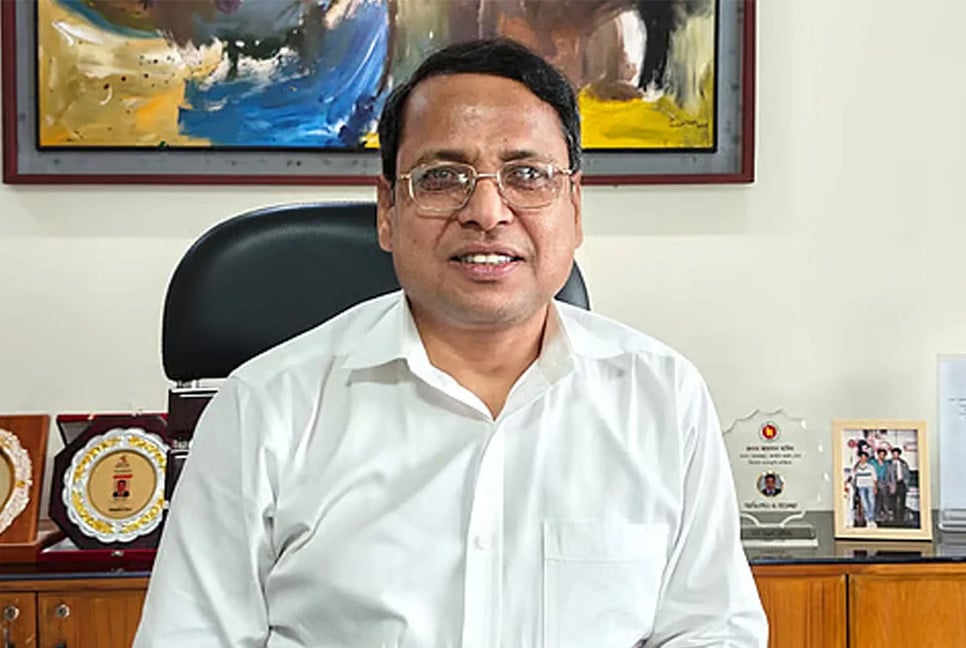
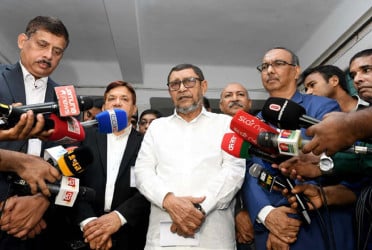
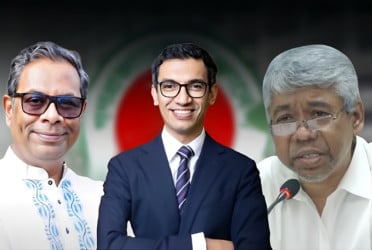
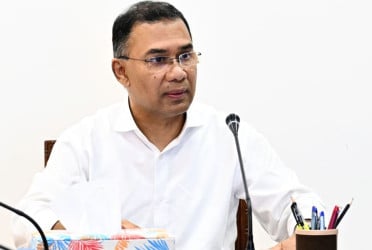
GED Member (Secretary) Dr Monzur Hossain said the war in the Middle East could trigger a new crisis through disruptions in energy supply.
He said a prolonged conflict could undermine economic stability and require timely policy responses.
Although inflation has eased slightly in recent months, it remains above a comfortable level. Data from the Bangladesh Bureau of Statistics shows inflation exceeded 9% after rising steadily for four months.
Economists say higher global fuel prices could raise transport costs, electricity generation expenses and industrial production costs, which would push up prices of essential goods.
Investment growth already shows weakness. Lower imports of capital machinery indicate that private sector investment has not increased at the expected pace. Greater global uncertainty may make entrepreneurs more cautious about launching new projects or expanding production, which could slow employment growth.
Pressure on government finances has also increased. Revenue collection grew by 12.9% until January of the current fiscal year, far below the 34.5% target. The government would need a 59.4% increase in revenue in the remaining months to meet the target, which economists consider unrealistic.
The revenue shortfall has reached nearly Tk600 billion. As a result, the government has relied more heavily on bank borrowing.
By December, it had borrowed about Tk596.55 billion from the banking sector, while non-bank borrowing and foreign assistance declined significantly. Economists warn that heavy government borrowing from banks could reduce credit flow to the private sector.
Development project implementation has also slowed sharply. From July to January, the implementation rate of the Annual Development Programme stood at only 20 to 21%, the lowest in the past 15 years. Delays in project preparation, complex procurement procedures and weak coordination among agencies have contributed to the slowdown. Rising global prices of fuel and raw materials could further increase costs and delay major infrastructure projects.
External sector indicators show mixed trends. Exports from the ready-made garment sector have increased slightly and remittance inflows remain stable.
Bangladesh received about $3.17 billion in remittances in January, while foreign exchange reserves stood at around $33 billion.
However, economists warn that prolonged conflict in the Middle East could create uncertainty in remittance flows. Millions of Bangladeshi workers live in the region, and instability in labour markets there could affect remittance income.
Mehedi Mahbub, president of the RMG Centre, said the Middle East conflict could pose a major risk to Bangladesh’s economy. He noted that the region plays a crucial role in remittances and employment for Bangladeshi workers.
He added that a global economic slowdown could weaken demand in Europe and the United States, affecting Bangladesh’s export sector, particularly garments.
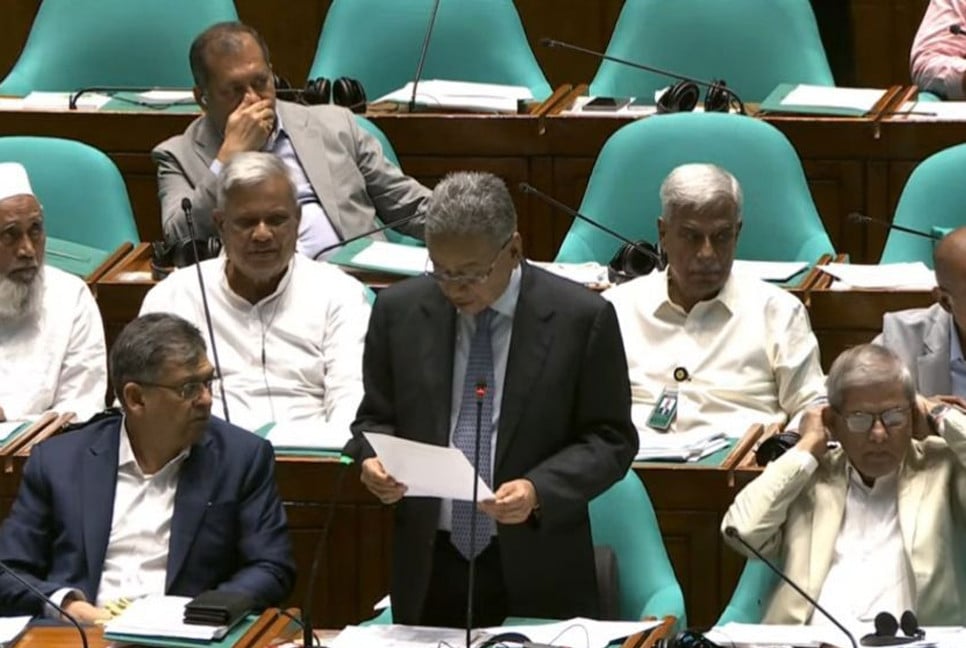
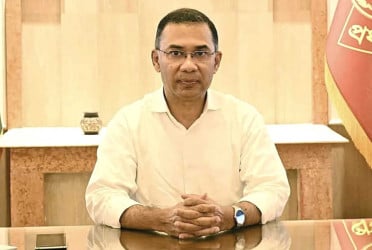
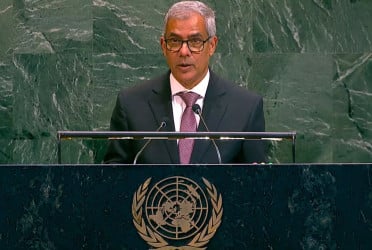
Finance and Planning Minister Amir Khasru Mahmud Chowdhury said the government has started preparations to address possible economic impacts.
He said authorities are considering both short-term and long-term scenarios of the conflict while planning policy responses.
Economists say the government should reform the revenue system, reduce unnecessary expenditure, encourage investment and strengthen energy security. They also suggest policy incentives such as lower taxes and duties to promote investment in renewable energy.
They added that although some indicators show signs of stability, several risks continue to build within the economy. If global instability intensifies, Bangladesh could face renewed pressure on inflation, employment and overall economic growth.
Bd-pratidin English/TR