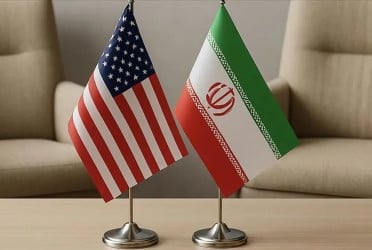
The Centre for Policy Dialogue (CPD) has warned that Bangladesh’s newly signed reciprocal trade agreement with the United States could have significant implications for government revenue.
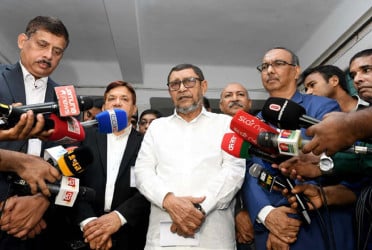
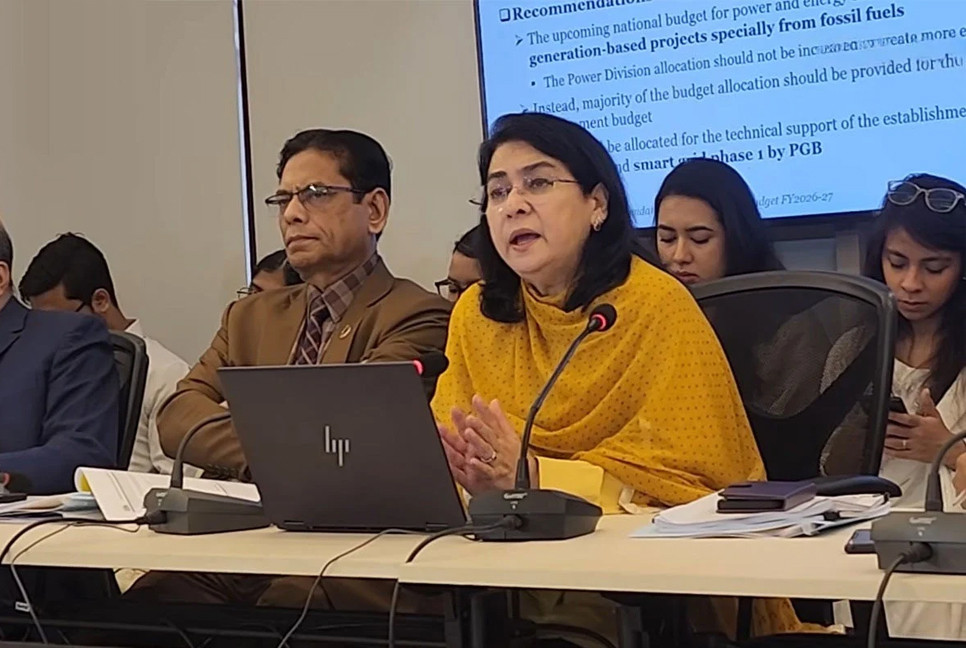
The think tank urged the government to formulate a realistic fiscal framework while preparing the national budget for the 2026-27 fiscal year (FY27). CPD also expressed concern about the fiscal impact of the “Agreement on Reciprocal Trade” with the United States during a media briefing titled “CPD’s Recommendations for the National Budget FY2026-27” held at the organisation’s office in Dhanmondi on Tuesday.
According to CPD Executive Director Fahmida Khatun, the agreement allows duty-free access for around 4,500 US products in the Bangladeshi market, while tariffs on another 2,210 products will be gradually reduced over the next 5 to 10 years.
“As a result, Bangladesh may lose around Tk1,327 crore in customs revenue in the current fiscal year alone,” she said.
The think tank noted that the arrangement effectively grants the United States unilateral duty-free market access, which could raise questions about its compatibility with World Trade Organization (WTO) rules.
Bangladesh might also face pressure to extend similar tariff concessions to other WTO member countries, potentially increasing fiscal risks in the future. Fahmida Khatun further said the agreement includes provisions requiring Bangladesh to purchase certain products from the United States, which could increase government expenditure.
She suggested that the government reassess the agreement’s implications for revenue and public spending and reopen discussions with the US if necessary.
CPD Distinguished Fellow Mustafizur Rahman said global trade is increasingly being used as a geopolitical tool, weakening the multilateral trading system. He emphasised that the full details of the agreement should be made public, as it carries significant financial and policy implications.
Since a large portion of its implementation will involve the private sector, the government may also need to provide subsidies to encourage businesses to import products from the United States, he added.
Mustafizur Rahman also warned that some provisions of the agreement could raise concerns about policy flexibility and economic sovereignty, particularly regarding sourcing decisions and trade relations with third countries.
Fahmida Khatun noted that the upcoming budget will be particularly significant as it will be the first under the newly elected Bangladesh Nationalist Party (BNP) government, at a time when the country is grappling with high inflation and preparing for graduation from Least Developed Country (LDC) status.
She added that the fiscal framework for FY26 has experienced notable implementation gaps, with revenue growth remaining modest at 12.9% and the Annual Development Programme (ADP) implementation rate falling to 20.3%, the lowest in 15 years.
Bd-pratidin English/ ANI