The ongoing conflict in the Middle East has triggered a sharp surge in global crude oil prices, raising concerns for energy-importing countries such as Bangladesh.
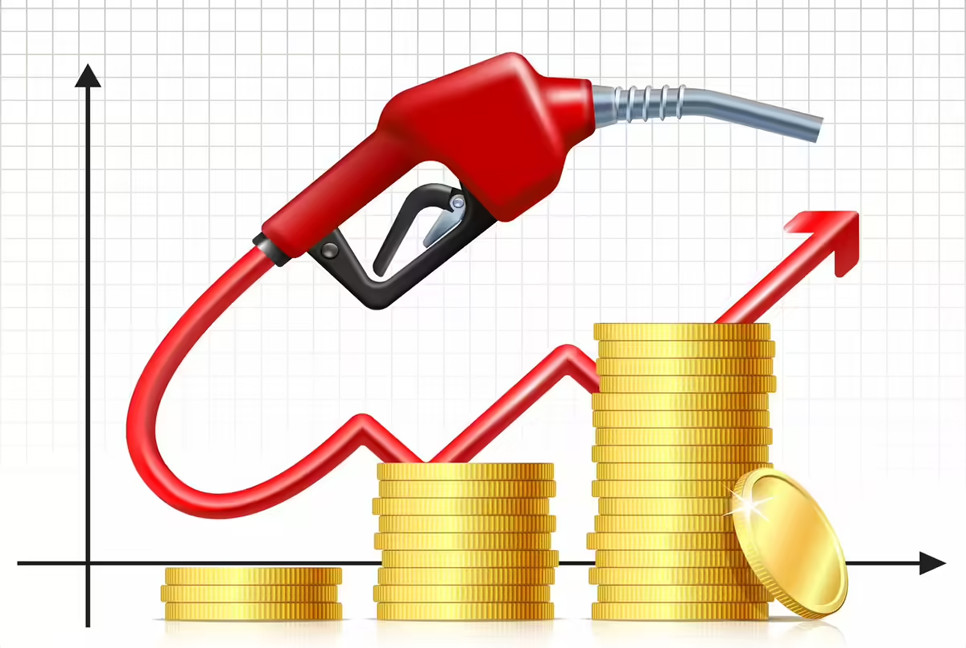
International benchmark Brent crude has climbed to around $108.77 per barrel on Monday, marking the largest single-day increase since the COVID-19 pandemic in 2020. Oil prices had already risen by nearly 28% last week, and analysts warn that they could reach $150 per barrel if the conflict lingers.
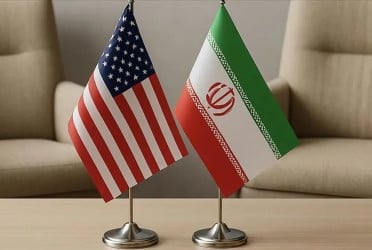
The surge follows escalating hostilities involving the United States and Israel launching strikes on Iran, with Tehran responding in retaliation. The tensions have disrupted shipping through the strategically crucial Strait of Hormuz, a key route for global energy transportation, triggering significant volatility in the international oil market.
Market analysts say recent airstrikes have reportedly damaged several oil depots and energy facilities in Iran, raising fears of major supply disruptions from the Middle East. Such developments could push fuel prices even higher, affecting consumers and businesses worldwide.
Meanwhile, China and India have expressed interest in supporting Bangladesh with oil supplies, according to officials.
The interest was conveyed by India's High Commissioner to Dhaka Pranay Verma and China's Ambassador to Dhaka Yao Wen during their meetings with Finance Minister Amir Khosru Mahmud Chowdhury and Energy, Power and Mineral Resources Minister Iqbal Hassan Mahmood Tuku respectively on Monday.
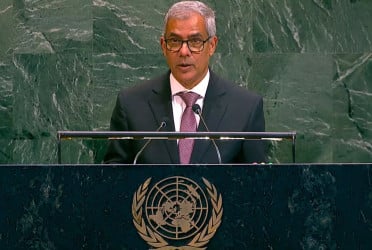
Speaking to reporters after the meeting with the finance minister at the Secretariat, the Chinese envoy said Bangladesh and China will work together to address the country's energy challenges. He added that China is interested in providing energy cooperation to Bangladesh.
Earlier in the day, the Indian high commissioner met Tuku to discuss fuel supply cooperation.
Impact on Bangladesh
The shock is being directly felt in economies that rely heavily on imported fuel, including Bangladesh. Rising fuel import costs are increasing the cost of electricity generation, which in turn is pushing up the government’s subsidy burden.
Experts warn that if instability in the Middle East persists, prices of crude oil and liquefied natural gas (LNG) could climb further. This could intensify pressure on Bangladesh’s power and energy sector, potentially affecting industrial production, electricity supply and the daily lives of ordinary citizens.
A source in the power division said outstanding dues owed by the Bangladesh Power Development Board (BPDB) to local and foreign power producers have already reached about Tk46,000 crore, deepening the sector’s financial strain. At the same time, the government faces pressure to reduce subsidies under conditions linked to its loan programme with the International Monetary Fund (IMF), creating policy and structural challenges for the sector.
Oil prices surge past $100
Global oil prices have crossed the $100 per barrel mark for the first time since 2022 as the conflict between Iran and the US-Israel alliance intensifies. Concerns that energy shipments through the Strait of Hormuz could be further disrupted have added to market volatility.
On Monday in Asian trading, Brent crude rose 15.5% to $107.16 per barrel, while Nymex light sweet crude increased more than 17% to $106.77. Prices surged rapidly, jumping around 10% within a single minute and another 10% within the following 15 minutes.
According to the latest data from commodity market trackers, Brent crude was trading around $108-$109 per barrel on Monday morning, up by 17% from the previous day, while WTI crude approached $108, rising by about 18-19%.
Growing concerns for Bangladesh
Analysts warn that if the Strait of Hormuz remains disrupted until the end of March, oil prices could rise above $150 per barrel, approaching historic highs. Such a scenario could trigger an energy shock similar to that of the 1970s, leading to higher inflation, rising transport costs and reduced industrial output globally.
For Bangladesh, which imports most of its fuel, the implications are serious. The country imports around 6-7 million tonnes of fuel annually, much of it from the Middle East. A $10 increase per barrel significantly raises import costs, while prices approaching $150 could increase the import bill by several billion dollars and place further pressure on foreign exchange reserves.
The Bangladesh Petroleum Corporation (BPC) could face losses unless domestic fuel prices are adjusted accordingly.
Rising pressure on the power sector
The crisis is expected to intensify pressure on the electricity sector, as many power plants operate on furnace oil. Higher fuel prices increase generation costs, forcing the government either to raise electricity tariffs or increase subsidies.
Under its IMF programme, Bangladesh has committed to reducing energy subsidies and moving towards market-based pricing. To this end, the government has introduced a monthly price adjustment mechanism for fuel. However, implementing this system remains difficult because higher fuel prices raise transport, agricultural and industrial costs, directly affecting household living standards.
Global price adjustments
Several countries have already responded to rising fuel prices. Vietnam has increased diesel and petrol prices by 21%, while China, Japan, India and Indonesia are preparing to adjust prices in line with international markets. In Pakistan, petrol prices have surged 20% to around 320 rupees per litre.
Fuel prices have also risen sharply in developed economies. In the United States, petrol prices increased by about 10% in a week, while in Europe inflation concerns are mounting. In Australia, petrol prices have exceeded two Australian dollars per litre.
Government response
Officials say although fuel stocks and supply remain stable in Bangladesh, uncertainty surrounding the war has created temporary pressure due to increased demand. To manage consumption, the government has introduced fuel rationing, which will remain in place while the conflict continues.
Power, Energy and Mineral Resources Minister Iqbal Hassan Mahmood Tuku said the rationing system will continue until the war ends, though there are currently no plans to increase electricity or fuel prices.
BPC Chairman Engineer Rezanur Rahman said fuel import contracts are usually signed for six months and supplies have been secured until June. Fuel shipments from China, Malaysia, Singapore and Indonesia are expected to arrive through routes not directly affected by the Iran crisis, reducing the risk of immediate supply disruptions.
Mounting subsidy burden
Despite this assurance, the financial pressure on the power sector remains severe. In the 2024-25 fiscal year, subsidies in the electricity sector stood at Tk62,000 crore, though they were reduced to Tk36,000 crore in the revised budget for 2025-26. Subsidies for LNG also fell from Tk9,000 crore to Tk6,000 crore, though they may rise again due to higher global prices.
BPDB’s total dues have reached Tk46,000 crore, including Tk14,000 crore owed to private oil-fired power plants. State-owned and joint venture power companies have accumulated losses of around Tk30,000 crore.
During the 2024-25 fiscal year, BPDB’s revenue stood at Tk70,926 crore, while expenditure reached Tk126,585 crore, leaving a deficit of Tk55,658 crore. After receiving Tk38,636 crore in subsidies, the net deficit remained Tk17,021 crore.
Against this backdrop, BPDB has requested Tk76,000 crore in subsidies, but the national budget has allocated only Tk36,000 crore, highlighting the widening gap between revenue and expenditure.
Experts warn of major risks
Energy analysts warn that if the conflict continues, oil prices could exceed $150 per barrel, sharply increasing Bangladesh’s import bill and pushing power sector subsidies beyond Tk76,000 crore. Inflation could rise above 10%, while higher transport costs could disrupt agricultural and industrial production.
Energy expert Prof M Tamim said a prolonged conflict could significantly worsen Bangladesh’s situation. A reduction of about 900 million cubic feet of LNG per day could create serious challenges for industries and power plants.
Another expert Dr Ijaz Hossain also warned that LNG supply disruptions could occur if the conflict does not ease soon, potentially creating a broader energy crisis within weeks.
Analysts say that while short-term solutions remain limited, Bangladesh must expand fuel reserves and accelerate investment in renewable energy to strengthen long-term energy security.
They also said domestic refineries could help manage the crisis.
Courtesy: Daily Sun.
Bd-pratidin English/TR