Oil prices surged Friday as fears grew that the escalating Middle East conflict could severely disrupt global energy supplies, while global equities fell following weak US jobs data, reports AFP.
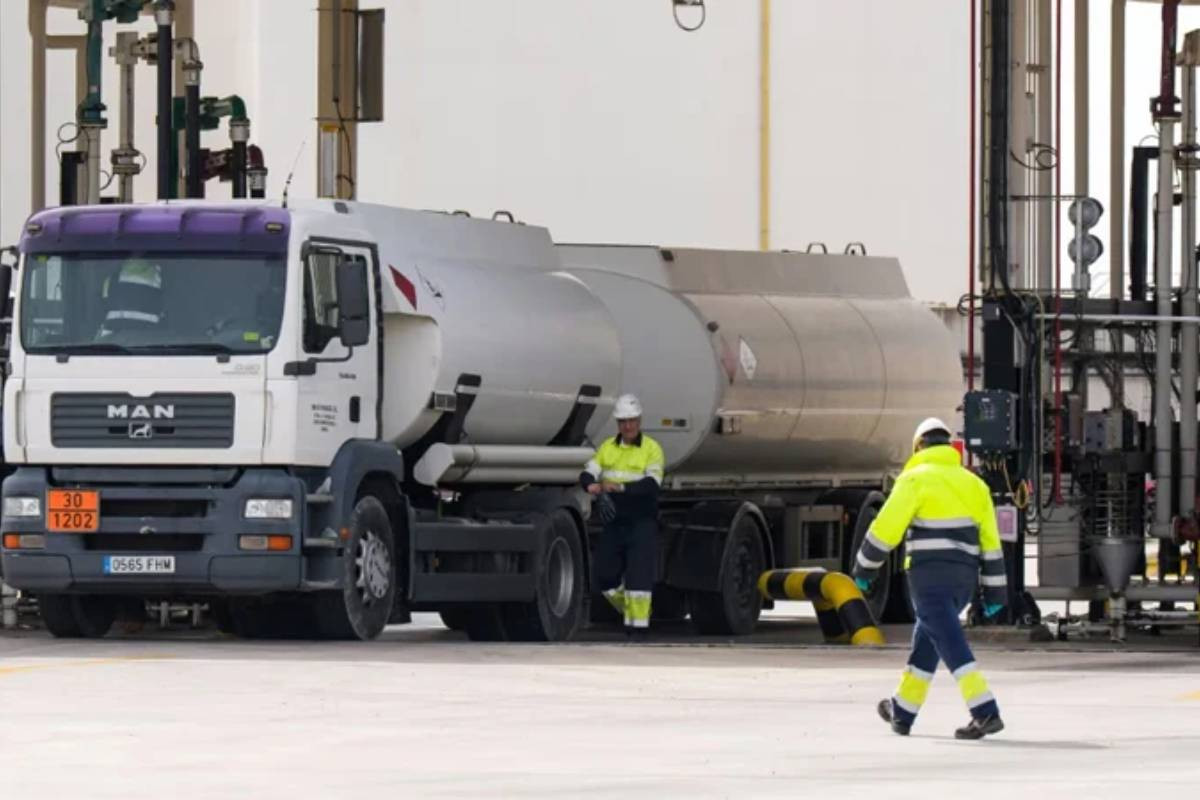
The war involving Israel, the United States and Iran has shaken energy and shipping markets, with maritime traffic through the vital Strait of Hormuz — a key route for global oil and gas shipments — grinding to a near halt.
International benchmark Brent North Sea crude jumped 8.5 percent to $92.69 per barrel, marking a weekly surge of nearly 30 percent.
The main US contract, West Texas Intermediate, soared more than 12 percent to above $90 per barrel, capping its biggest weekly gain on record.
About a fifth of the world’s crude oil and liquefied natural gas passes through the Strait of Hormuz, making the waterway crucial for global energy markets.
Initial market reactions had been tempered by hopes that the conflict would remain short-lived. But comments by Donald Trump demanding the “unconditional surrender” of Iran raised fears of a prolonged war.
Kathleen Brooks, research director at XTB, said Trump’s remarks “dashed hopes that the conflict will be averted quickly, and the oil price has continued its push higher”.
Persistently high energy prices have also revived fears of a fresh inflation surge that could weigh on the global economy and limit central banks’ ability to cut interest rates to support growth.
“The longer that key energy infrastructure and shipping routes in the region are affected, the greater the chance of a significant inflationary impact,” said Russ Mould, investment director at AJ Bell.
Attacks on oilfields were reported in southern Iraq and in its autonomous Kurdistan Region, forcing a US-operated oilfield to halt production. Meanwhile, Kuwait has reportedly begun cutting output due to limited storage capacity, according to the Wall Street Journal.
Earlier this week, Trump pledged to protect ships passing through the Strait of Hormuz, though shipping companies have remained cautious.
Analysts at JPMorgan Chase said the US pledge had “reduced some of the risk premium in oil markets”, but warned it would have limited effect unless Iran’s disruption capabilities were neutralised.
Meanwhile, fresh data signalled potential weakness in the US economy.
The US Labor Department said the economy unexpectedly lost 92,000 jobs in February, compared with revised job growth of 126,000 in January. The unemployment rate also edged higher.
Separate figures showed US retail sales fell by 0.2 percent in January.
While weaker economic data can increase expectations that the Federal Reserve may cut interest rates, analysts say soaring oil prices complicate that outlook.
Until recently, markets had expected the Fed to resume rate cuts in June, but expectations have now shifted to September.
Wall Street’s major indices ended the session down more than one percent. Europe’s leading markets also closed lower.
One notable exception was Boeing, whose shares rose 4.1 percent following a Bloomberg report that the aerospace giant is nearing a major aircraft sales deal with Chinese carriers.
Key figures at around 0410 GMT
Brent North Sea Crude: UP 8.5 percent at $92.69 per barrel
West Texas Intermediate: UP 12.2 percent at $90.90 per barrel
New York — Dow Jones Industrial Average: DOWN 1.3 percent at 47,501.55 (close)
New York — S&P 500: DOWN 1.3 percent at 6,740.02 (close)
New York — Nasdaq Composite: DOWN 1.6 percent at 22,387.68 (close)
London — FTSE 100: DOWN 1.2 percent at 10,284.75 (close)
Paris — CAC 40: DOWN 0.7 percent at 7,993.49 (close)
Frankfurt — DAX: DOWN 0.9 percent at 23,591.03 (close)
Seoul — Kospi: FLAT at 5,584.87 (close)
Tokyo — Nikkei 225: UP 0.6 percent at 55,620.84 (close)
Hong Kong — Hang Seng Index: UP 1.7 percent at 25,757.29 (close)
Shanghai — Shanghai Composite: UP 0.4 percent at 4,124.19 (close)
Euro/dollar: DOWN at $1.1604 from $1.1609 on Thursday
Pound/dollar: UP at $1.3385 from $1.3357
Dollar/yen: UP at 157.88 yen from 157.59 yen
Euro/pound: DOWN at 86.67 pence from 87.00 pence
Bd-pratidin English/ Jisan