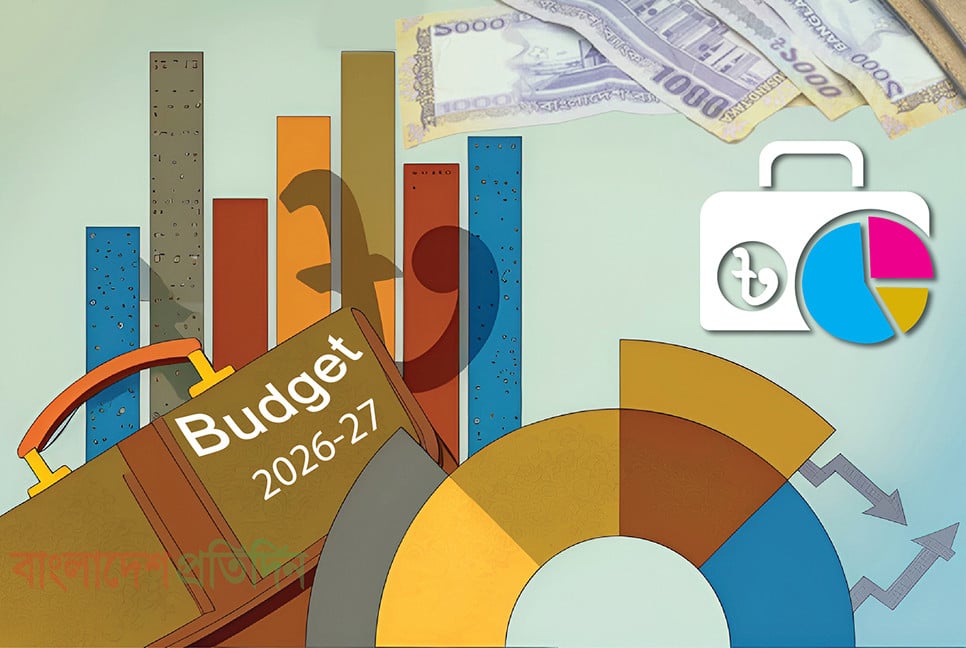
Bangladesh faces significant challenges in financing its upcoming budget. Government revenue collection is declining while the new administration’s promises and plans will require more funds than before. At the same time, pressure is mounting to raise salaries for government employees. Rising tensions in the Middle East may push fuel prices higher, adding further strain to the budget.
The cost of daily necessities, industrial raw materials, and capital equipment is likely to rise due to higher shipping and logistics expenses. There is also pressure to rationalize or reduce taxes on businesses and entrepreneurs. Project grants and foreign aid from donor agencies may decline as well. In recent years, foreign assistance for health, education, poverty alleviation, and Rohingya rehabilitation has already decreased, influenced in part by major countries such as the United States. During the interim government, funds initially allocated for financial sector reforms were diverted to support budget financing.
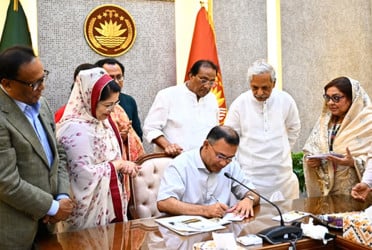
For a new government assuming power after a long hiatus, establishing a sound budget structure may prove difficult. Time constraints could result in a partial or compromised budget. Both formulation and implementation are likely to face serious hurdles, particularly in securing adequate financing.
During the July–December period, Bangladesh recorded a revenue deficit of 46,000 crore taka. Without foreign loans, foreign exchange reserves would have come under severe pressure. Imports remain constrained, inflation continues to run above comparable countries, and energy security remains under threat.
Given these challenges, clear justification for budget allocations is essential, along with disciplined expenditure management. Good governance must be ensured during implementation, and cooperation with donor agencies will be critical to achieving an effective and sustainable budget.
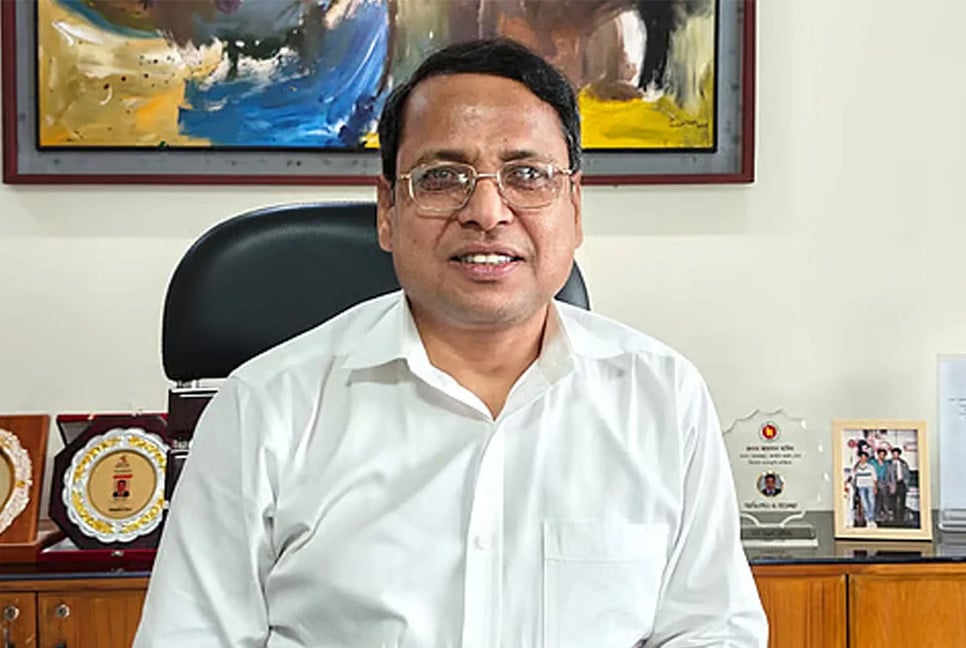
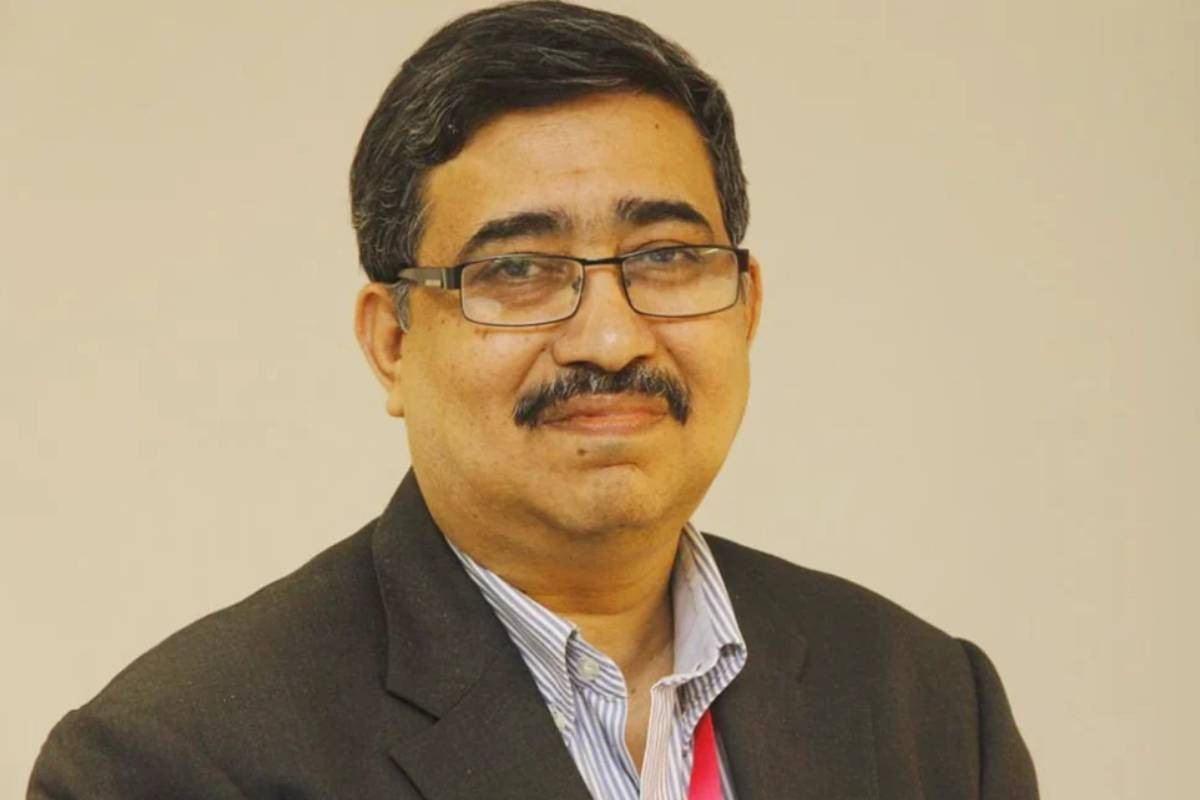
Author: Economic Analyst and Chairman, Financial Excellence Limited.
Bd-pratidin English/ Jisan