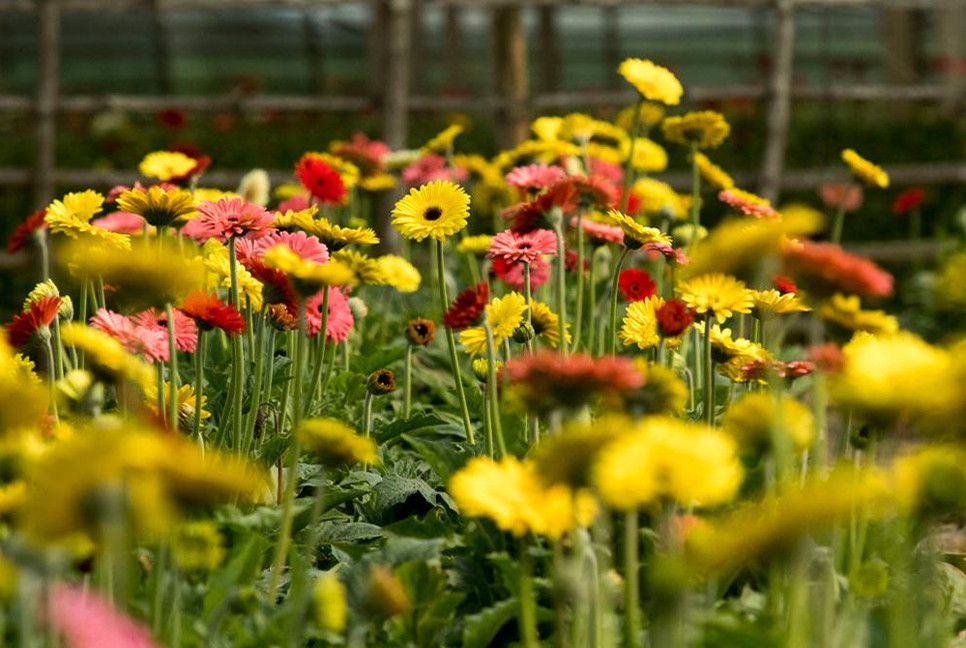
The colors of spring, the spirit of love, and the reverence of International Mother Language Day--February is truly the month of flowers. While flowers are in demand throughout the year for various occasions, the month of February sees demand soar to unprecedented levels.
According to flower traders across Bangladesh, nearly Tk 2.4 billion worth of flowers were sold nationwide this February.
President of Bangladesh Flower Society (BFS) Babul Prasad, told Bangladesh Pratidin that out of the total sales, flowers worth Tk 500 million were sold for International Mother Language Day alone.
He said, “February is our peak month, so we set special sales targets for it. With occasions like Rose Day, Valentine’s Day, Pohela Falgun, Ekushey February, and wedding season, almost 40% of the year’s total flower sales occur during this month. This year, our goal was Tk 4 billion, but the elections prevented us from reaching it.”
According to flower traders, November to March marks the main season for flower sales, with February’s demand several times higher than other months. On ordinary days, sales are significantly lower, but during Falgun and Valentine’s Day, sales can rise two to threefold. In Dhaka’s Shahbagh area, around 250 traders are engaged in wholesale and retail flower business, forming the country’s largest wholesale flower market.
Data from the Bangladesh Flower Traders Association shows that the country’s annual flower market exceeds Tk 15 billion. When production is good, the market expands even further. In 1995, the domestic market was only Tk 1-1.2 billion, but today it has grown to around Tk 15 billion. Previously, 35-40% of flowers had to be imported. Between 1995 and 2008, annual imports ranged from Tk 1-3.5 billion, but now imports have fallen to Tk 500-600 million annually, accounting for just 5-7% of total demand.
Currently, flowers are cultivated in 24 districts across Bangladesh. The highest production comes from Gadkhali, Jhikargacha, Anisara, Kalihati, and Kaliganj in Jessore. Other key production areas include Chuadanga, Sabdi Bandar in Narayanganj, Gazipur, Brahmanbaria, Singair in Manikganj, and Golap Gram in Savar. Increased domestic production has reduced reliance on imports, though some flowers like orchids, lilies, and Chinese gypsy still need to be imported.
Traders report that production in the flower industry is increasing by around 20% annually. However, rising production costs and lower yields in some areas have affected market prices. Overall, February has become the lifeblood of Bangladesh’s flower trade, with one month’s sales significantly shaping the annual business. Even though targets are not always fully met, this multi-hundred-crore trade highlights the strength of the flower industry in the country’s economy.
Bd-pratidin English/ ANI