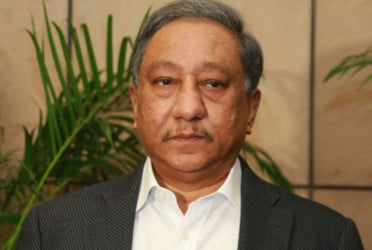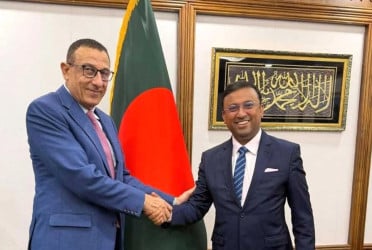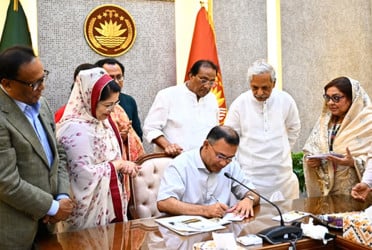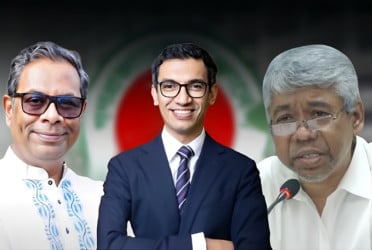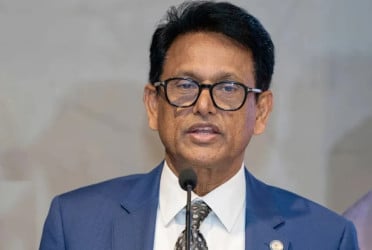
The government and Bangladesh Bank have launched joint initiatives to revive the economy and generate employment by reopening sick and closed factories. Newly appointed Governor Mostaqur Rahman has pledged active policy and financial support to facilitate the revival process.
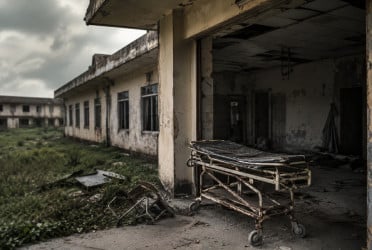
Prime Minister Tarique Rahman has instructed authorities to take immediate steps to reopen closed industrial units. According to sources at the Prime Minister’s Office, priority will be given to reinstating former workers and creating new jobs by engaging private entrepreneurs in reopening jute mills, sugar mills and other state-run factories. The move also aligns with a key election pledge of the BNP.
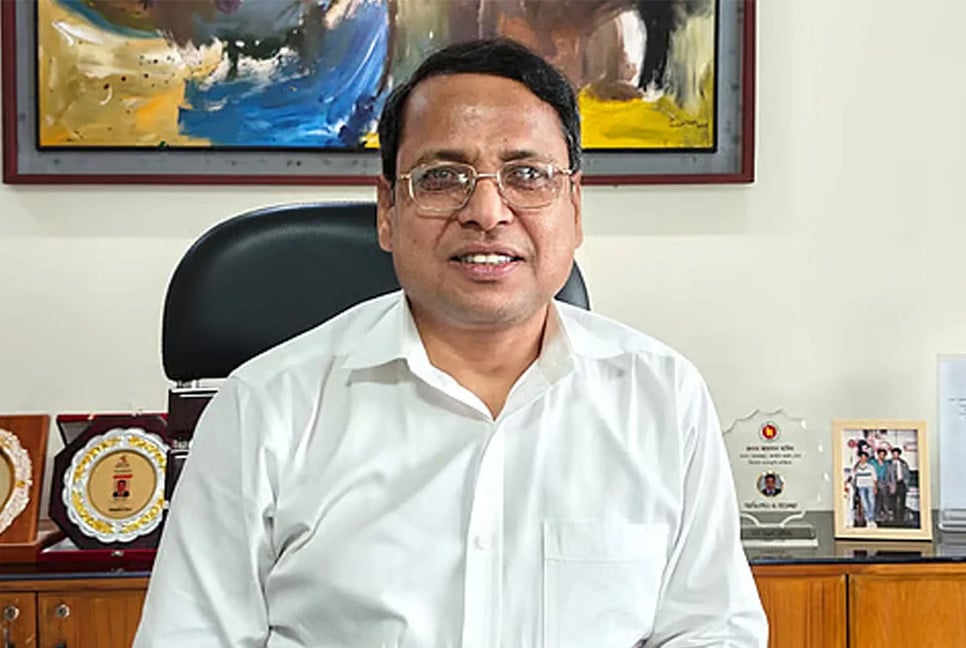
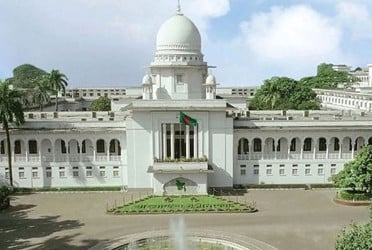
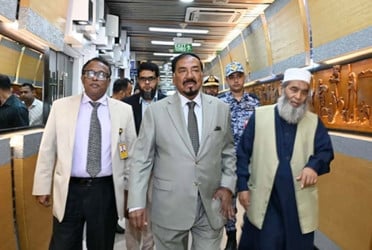
After assuming office yesterday morning, Governor Mostaqur Rahman told deputy governors and executive directors that the central bank would pursue a “growth- and employment-oriented economy based on macroeconomic stability.”
“Policy support, necessary financing facilities and banking sector coordination will be strengthened to restart closed factories,” he said.
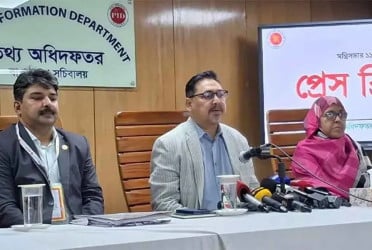
Central bank spokesperson Arif Hossain Khan later said the governor would limit direct media comments but ensure regular communication through official channels.
To support factory reopening, Bangladesh Bank relaxed its loan rescheduling policy last Sunday. Borrowers can now reschedule loans with a 2 percent down payment. Half of the amount can be paid at the time of application and the remainder within six months, with an additional three-month extension available if needed.
The central bank said this measure would allow businesses that failed to renew loans due to one-time settlement requirements to regularize their accounts. Bank boards may also consider interest waivers under existing policies.
Despite the policy shift, several entrepreneurs allege that many scheduled banks are not processing rescheduling applications promptly. Some Islamic banks, citing ongoing mergers and special audits under financial sector reforms, have reportedly deferred approvals.
In one instance, Social Islami Bank informed a client that his rescheduling proposal could not proceed due to the ongoing merger process involving five Islamic banks.
Industrialists say without loan restructuring, they cannot repair machinery, import raw materials or rehire workers.
Official data show that by the end of 2024, 397 industrial establishments under the Ministry of Industries had closed. Of these, 382 were under the Bangladesh Small and Cottage Industries Corporation, five under the Bangladesh Chemical Industries Corporation, six under the Bangladesh Sugar and Food Industries Corporation, and four under the Bangladesh Steel and Engineering Corporation.
According to data from the Bangladesh Garment Manufacturers and Exporters Association (BGMEA), 353 garment factories in Savar, Gazipur, Chattogram, Narayanganj and Narsingdi had shut down by November 2025, leaving 119,842 workers unemployed. Among them, 214 factories closed in Savar and 72 in Gazipur.
The crisis deepened after 13 garment factories of the Beximco Group were permanently shut.
Various estimates suggest overall unemployment has surpassed 2.7 million, with youth unemployment exceeding 28 percent.
Economists say reopening closed factories could rapidly generate jobs and restore industrial momentum. Stakeholders now await effective implementation of the announced measures, hoping that renewed production and employment will provide fresh impetus to the economy.
Bd-pratidin English/ Jisan