Funds from a Bangladesh Bank project meant to support small and medium industries were invested in government treasury bonds instead of being disbursed as low-interest loans, while a proposal for a foreign exposure visit to Switzerland using profits from the investment received approval from outgoing governor Ahsan H Mansur.
The project in question — the Second Small and Medium-Sized Enterprise Development Project (SMEDP-2) — is a refinancing initiative jointly funded by the government of Bangladesh and the Asian Development Bank. It aims to provide affordable financing to small and medium entrepreneurs in rural and urban areas, generate employment and boost SME sector growth by 2030.
Sources said the project’s unused revolving funds were invested in government treasury bills on the advice of the Internal Audit Department. From the profits earned, approximately Tk 267.6 million was deposited into the government treasury, while Tk 100 million was credited to a Bangladesh Bank account.
Using part of the profit retained at the central bank, the six-member investment committee and project-related officials were granted approval to undertake a “Global Benchmarking Visit on SME Development and Innovation Ecosystem” in Switzerland in March. On February 9, project authorities sent a letter to the Finance Division seeking issuance of a government order (GO) to facilitate the trip.
However, the move has drawn scrutiny. Critics argue that investing the revolving fund in treasury bonds — rather than channeling it to commercial banks for SME lending — deviated from the project’s core objective. Although the investment generated profit, they say the primary goal of expanding SME financing was not fulfilled.
Questions have also been raised over the timing of the foreign visit approval, as the Finance Division issued a notification on July 25 imposing strict restrictions on foreign travel, seminars and workshops funded by development allocations or project profits, citing the ongoing dollar crisis and the need to conserve foreign exchange.
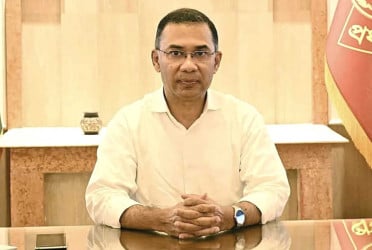
Contacted for comment, the outgoing governor did not respond to phone calls or messages.
Munira Islam, sub-project director of SMEDP-2, defended the decision, saying the foreign visit was proposed in line with the project’s investment policy and would not involve additional government expenditure.
“A revolving fund of the project was lying unused. Due to declining foreign exchange and interest rates, its value was eroding. On the advice of the Internal Audit Department, the investment committee decided to invest the idle funds in treasury bills, which generated profit. In recognition of that, the governor approved the exposure visit to enhance officials’ capacity,” she said.
Despite the approval, uncertainty remains over the trip due to visa scheduling complications at the Swiss Embassy and the pending issuance of a government order for official travel, project officials said.
Bd-pratidin English/ Jisan