The Dhaka Chamber of Commerce and Industry (DCCI) has called for strict action against extortion and corruption, warning that rising informal payments are inflating business costs and discouraging new investment.
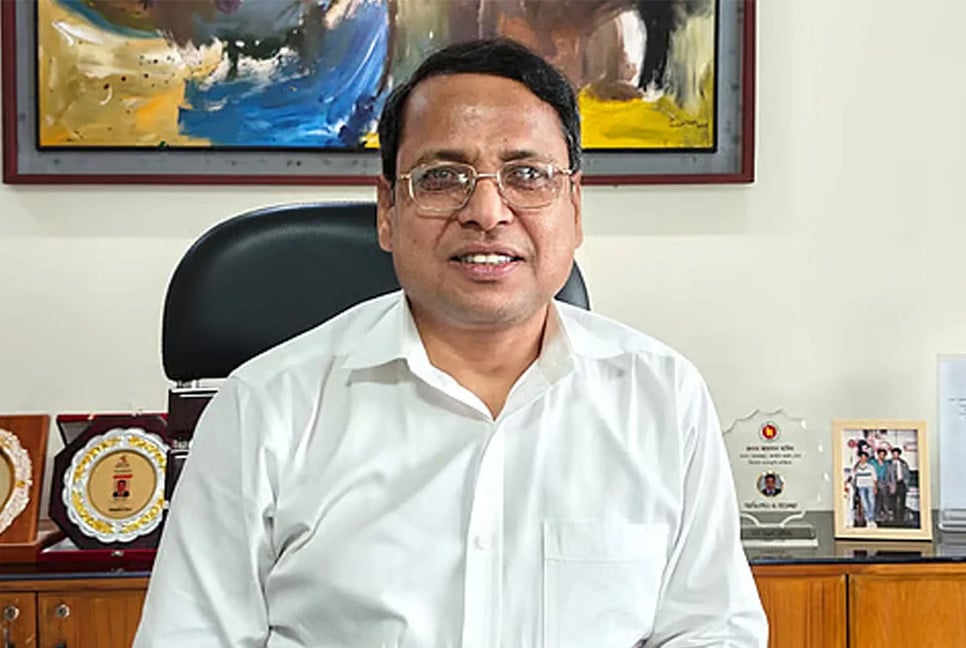
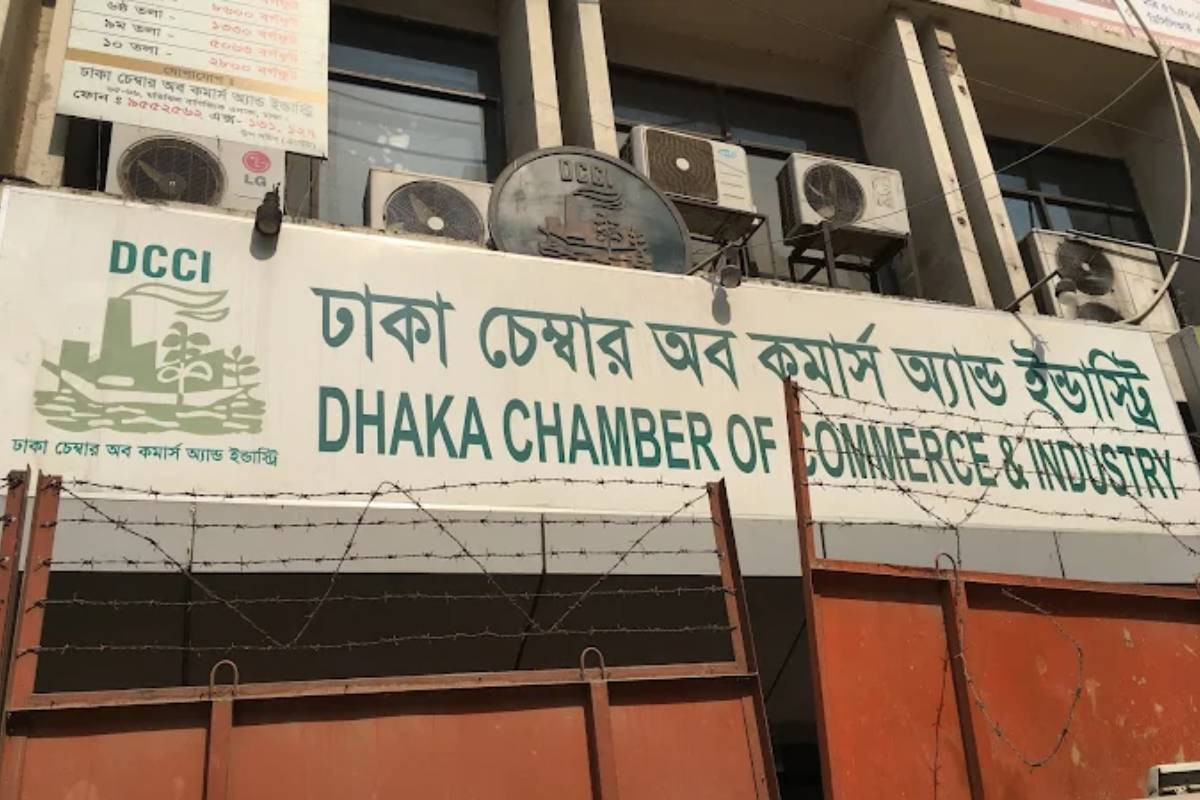
Speaking at a press conference titled “Expectations from the Newly Formed Government to Deal with the Existing Economic Situation” at the DCCI office in Motijheel on Monday, DCCI President Taskeen Ahmed said businesses are being forced to make informal payments at various stages of operation.
“Regular payments to different agencies, including the police, city corporations and the income tax department, are increasing operational costs and deterring new investment,” he said.
Urging the government to act decisively, he added, “Alongside extortion, corruption in government departments must be firmly suppressed. Otherwise, achieving the target of creating one crore new jobs will be difficult.” He stressed that the country’s tax-to-GDP ratio remains stagnant because corruption has not declined.
Taskeen warned that many entrepreneurs may be forced to shut down their businesses if effective measures are not taken promptly. He called for improving law and order, reforming the revenue system and ensuring an investment-friendly environment.
He noted that the extortion burden on businesses remains unchanged since the fall of the Awami League government, and in some cases, extortions have increased by up to 50 percent. Alleging that corruption persists even under the interim administration, he emphasized the urgent need to reform the National Board of Revenue (NBR), separate its functions and complete automation within eight months through effective initiatives. He also proposed setting the turnover tax at 0.6 percent to simplify the tax structure.
Highlighting barriers to business expansion, the DCCI president pointed to excessive paperwork and complex procedures in obtaining bank loans. He urged the government to fully implement the ‘single window’ service of the Bangladesh Investment Development Authority (BIDA) to facilitate investment.
Expressing concern over the financial sector, Taskeen said private sector credit growth fell to a 22-year low of 6.49 percent in fiscal year 2024–25. He criticized the central bank’s decision to reduce the loan classification grace period from nine months to three months, claiming it has artificially inflated defaulted loans to Tk 6.44 lakh crore, about 36 percent of total outstanding loans.
He added that businesses are facing a severe working capital crisis as lending rates have climbed to 16–17 percent. In this context, he called for lowering the policy interest rate and introducing subsidized loans for genuine businesses. Currency depreciation and high borrowing costs have further compounded difficulties, he said.
The press conference also highlighted growing concerns about the labor market, noting that around 2.6 million people are currently unemployed. Business leaders stressed the need to prioritize technical education and strengthen the private sector to boost employment and curb extortion.
Bd-pratidin English/ Jisan