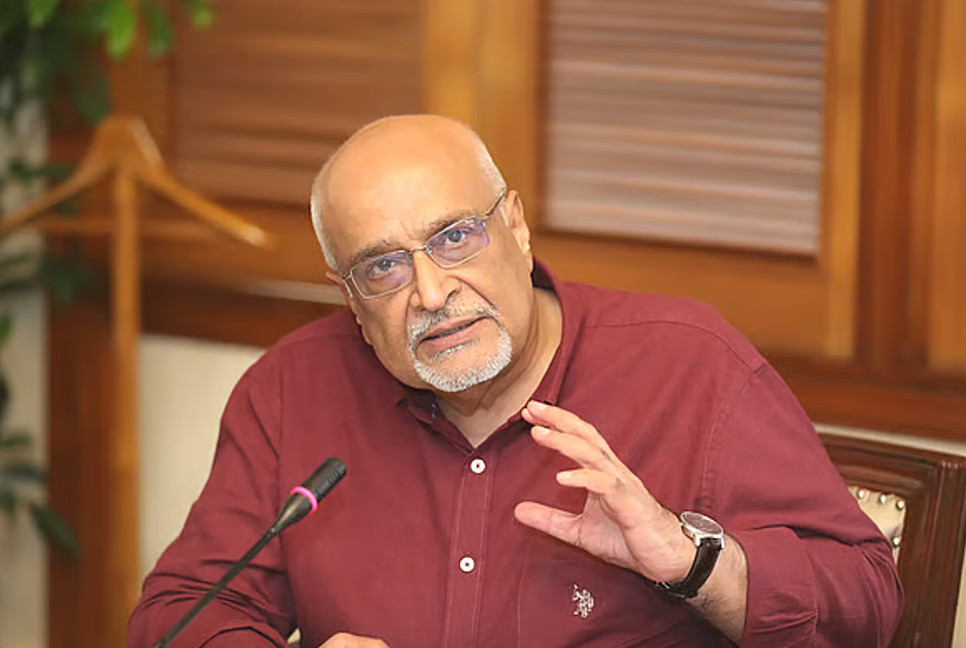
The United Nations will not immediately give a final ‘yes’ or ‘no’ to Bangladesh’s request, submitted last Wednesday, to defer its graduation from Least Developed Country (LDC) status by three years. The matter will take time. However, Centre for Policy Dialogue (CPD) Distinguished Fellow Dr Debapriya Bhattacharya believes Bangladesh has pressed the “crisis button”.
A five-day meeting of the UN Committee for Development Policy (CDP) will begin in New York on Monday.
The meeting will determine how Bangladesh’s request will be assessed. Debapriya Bhattacharya travelled to New York on Saturday night to attend the session. He is a member of the CDP and heads its Enhanced Monitoring Mechanism (EMM) Subcommittee.
Within the EMM framework, there is a provision known as the “crisis button”. This facility is used when a situation goes out of control or when unforeseen events occur. By submitting this letter, Bangladesh has activated that crisis button. The Solomon Islands last used it while facing the aftermath of a tsunami and various social disruptions. As a result, they were granted a two- to three-year extension.
The EMM Subcommittee will also meet this week. It will assess the current situations of countries that have already graduated and those in the pipeline. The three countries currently in the pipeline are Bangladesh, Nepal and Laos.
In Bangladesh’s case, the new development is the submission of a letter seeking to defer graduation. However, the letter was sent not by the head of government but by a secretary. Debapriya Bhattacharya noted that it is unclear whether the decision followed internal discussions within the new government. He said that, under established procedures, Bangladesh will be assessed by comparing its previous graduation evaluation report with the most recent data. In particular, the information provided by the government in November will be compared with the new request. The same secretary who has now sought a postponement had stated in November that everything was on track. Bangladesh’s sincerity in implementing its graduation strategy will also be taken into consideration.
The advisory council of the interim government had decided not to seek a postponement. However, the new government submitted the request immediately after assuming office. Nepal and Laos have made no new requests. Therefore, their experiences will also be reviewed when evaluating Bangladesh’s application, Bhattacharya said.
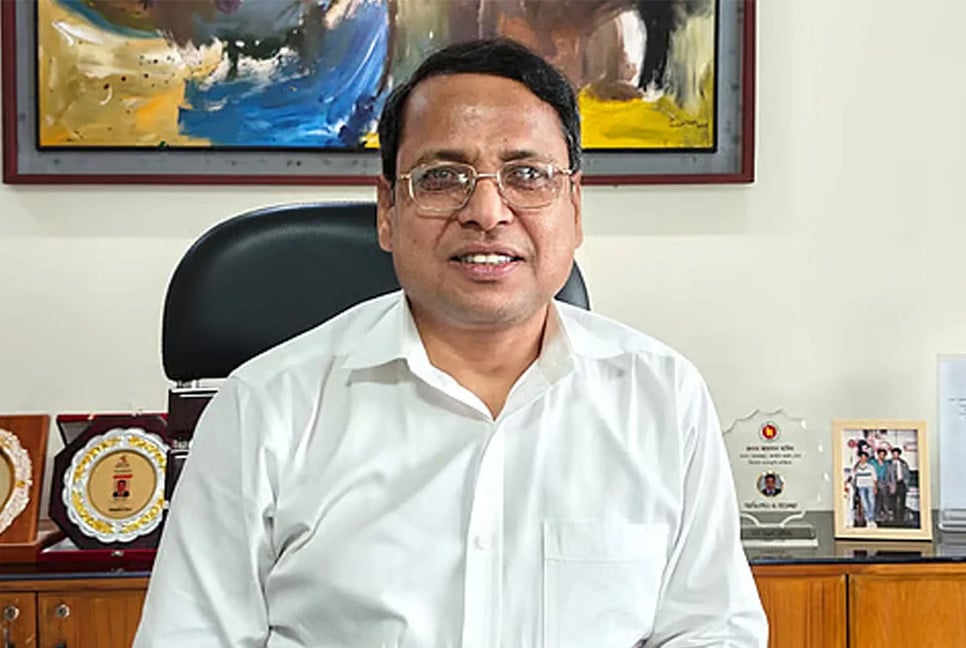
On behalf of the government, Economic Relations Division (ERD) Secretary Shahriar Kader Siddiky sent a letter last Wednesday to José Antonio Ocampo, Chair of the CDP under the UN Economic and Social Council (ECOSOC). The letter cited various domestic and international challenges and requested that the preparatory period for LDC graduation be extended until 24 November 2029. Under the previous decision, Bangladesh is scheduled to graduate from LDC status on 24 November this year. The third review process ahead of final graduation is currently under way.
LDC countries undergo a triennial review every three years. Eligibility for graduation to developing country status is determined on the basis of three criteria: per capita income, human assets, and economic and environmental vulnerability. A country must meet the thresholds in any two of the three criteria, or its per capita income must be at least double the required threshold. These criteria are revised over time.
Bangladesh met all three criteria in the 2018 and 2021 triennial reviews: Gross National Income (GNI) per capita, the Human Assets Index (HAI), and the Economic Vulnerability Index (EVI). In 2021, it was formally recommended that Bangladesh graduate from LDC status in 2024. However, due to the Covid-19 pandemic, the graduation was deferred by two years.
Bd-pratidin English/ ANI