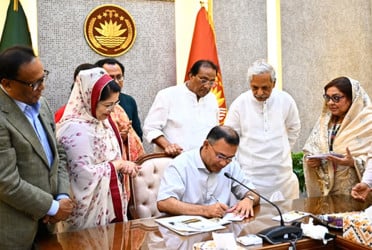
After nearly 17 years, the country has entered a new political chapter following the 13th National Parliament elections on February 12. A new government is preparing to take office, inheriting an economy burdened by deep structural weaknesses and mounting public expectations.
The macroeconomic situation remains fragile. The banking sector is struggling with chronic loan defaults and weak governance. Business and trade are in recessionary conditions, while high inflation, revenue shortfalls, widening budget deficits, sluggish investment and stagnant employment have created a difficult starting point for the incoming administration.
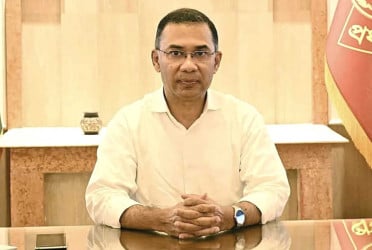
Prime Minister-in-waiting Tarique Rahman has pledged to restore the rule of law, enforce financial discipline and promote national unity. He has stressed that no reform agenda can succeed without political stability and social cohesion.
With Ramadan approaching, economists have urged immediate measures to stabilize essential commodity prices. Former caretaker government adviser Dr. Hossain Zillur Rahman has emphasized that easing inflationary pressure and accelerating economic reforms should be top priorities to reduce public hardship.
BNP leaders, including Secretary General Mirza Fakhrul Islam Alamgir, have outlined plans focused on restoring law and order, strengthening governance, reforming institutions and rebuilding international partnerships. Analysts say swift and prudent decision-making will be essential to restore confidence at home and abroad.
In November, Bangladesh is scheduled to graduate from the United Nations list of least developed countries (LDCs), ushering in a more competitive global trade environment. Although business leaders sought a postponement during the interim administration, the transition will proceed as planned, requiring stronger export competitiveness and policy readiness.
The interim government succeeded in stabilizing foreign exchange reserves and maintaining domestic demand, but investment growth remains weak and new job creation has stalled. The export-oriented manufacturing sector has yet to fully recover from disruptions during last year’s political unrest, leaving export earnings under pressure.
Revenue collection has fallen short by Tk 46,000 crore, raising concerns about the size of the budget deficit at the end of the fiscal year. Bangladesh Bank data show private sector credit growth slowed to 6.10 percent in December 2025, the lowest in four years. Net foreign direct investment stood at $1.41 billion between January and September 2025, below expectations, reflecting lingering investor caution.
Inflation remains the most pressing challenge, hovering near double digits according to the latest data from the Bangladesh Bureau of Statistics. Real incomes have stagnated for years, and unemployment has increased following recent political instability.
The banking sector continues to face structural vulnerabilities after years of irregular lending practices, with five banks already merged to prevent collapse. Though recent reforms have curbed money laundering, restoring financial sector stability will require sustained oversight and institutional reform.
Poverty has risen sharply. Official data show the overall poverty rate climbing to 27.93 percent, up from 18.7 percent in 2022, while extreme poverty has reached 9.35 percent. Economists say expanding employment opportunities through renewed investment is the only sustainable path to reversing this trend.
As the new government prepares to assume office, it confronts a narrow window to deliver tangible economic relief. Stabilizing prices, reviving investment, reforming the banking sector and preparing for LDC graduation will test its leadership and determine the country’s economic trajectory in the years ahead.
Bd-pratidin English/ Jisan