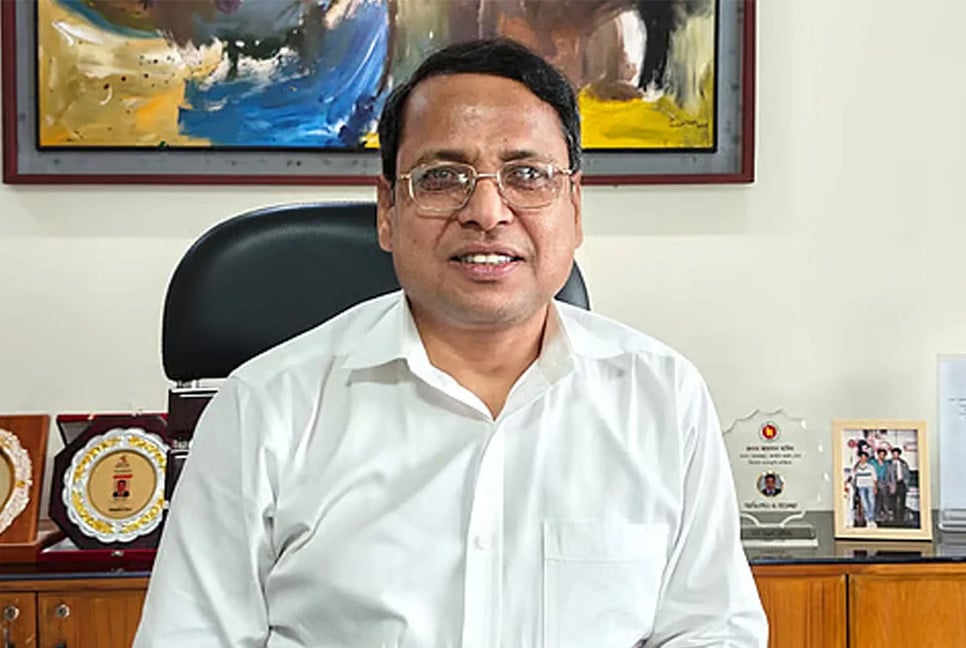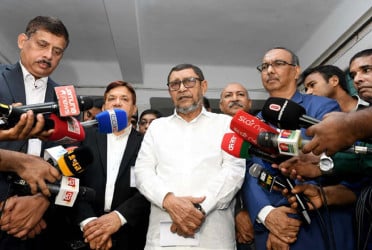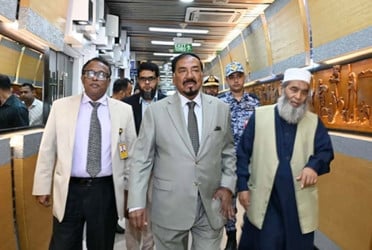
Commerce Adviser Sheikh Bashir Uddin said the government has made significant progress in securing access for Bangladeshi exports to the United States market under a new reciprocal trade agreement.
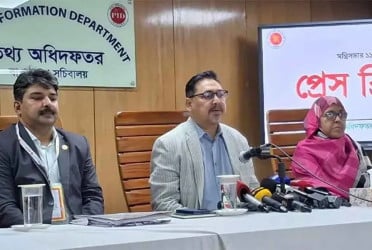
He said Bangladesh will receive zero-duty access for 85 to 86% of its exports to the US under the Agreement on Reciprocal Trade (ART). He made the remarks at a press conference at the Secretariat on Tuesday, a day after officials finalised the deal in Washington at 11pm on Monday.
Bashir said the agreement will help reduce Bangladesh’s trade deficit with the United States, which currently exceeds $6 billion. He described the US market as highly sensitive and strategically important for Bangladesh.
He said the government initially negotiated a reduction in the additional tariff rate from 37% to 20%. Through further negotiations, authorities reduced the reciprocal tariff to 19% and secured zero reciprocal tariff access for garments made with US cotton, which account for nearly 86% of Bangladesh’s total exports.
He noted that although many garments use synthetic fibres, the zero-duty facility will apply mainly to apparel produced with US cotton. Negotiators prioritised the use of US cotton and synthetic fibres during the talks.
Bangladesh ranks among the world’s largest cotton importers. Local producers supply only 2% of the cotton used in the garment industry, while manufacturers import the remaining 98%. Bashir said increased use of US cotton will support Bangladesh’s industry and help narrow the bilateral trade gap.
He added that the government also plans to increase imports of US agricultural products, energy and traditional metal scrap as part of efforts to rebalance trade.
Under the agreement, exporters will pay zero reciprocal tariff on 85 to 86% of shipments to the US market, while the remaining 14 to 15% of exports will face a 19% tariff.
Bashir said the agreement includes a clause that allows Bangladesh to withdraw with proper notice if any future government considers the deal inconsistent with national interests.
US President Donald Trump announced higher tariffs on more than 100 countries on April 2, 2025, after returning to office for a second term. The US later imposed an additional 37% tariff on Bangladeshi goods. Negotiations brought the rate down to 20%, effective Aug. 1, in addition to the existing 15% tariff, raising the total to 35%. Following the latest agreement, exporters will now pay a 19% reciprocal tariff, reducing the combined rate to 34%.
Commerce Secretary Mahbubur Rahman also attended the press conference.
BGMEA welcomes deal
The Bangladesh Garment Manufacturers and Exporters Association (BGMEA) welcomed the agreement, calling it a major outcome of nine months of intensive negotiations between Dhaka and Washington.
BGMEA said the deal reduces the reciprocal tariff on Bangladeshi products from 20% to 19%. It added that garments produced with US cotton and synthetic fibres will enjoy zero reciprocal tariff in the US market.
The association said the agreement will further strengthen Bangladesh’s access to the US apparel market. It stressed the need to ensure proper valuation and traceability of US raw materials to maximise the benefits.
BGMEA noted that US cotton offers high quality but costs more. It said local spinners must ensure competitive yarn prices to capitalise on the expanded export opportunity.
The association said it has yet to receive the full official text of the agreement. After reviewing the detailed documents from the government, BGMEA will hold an emergency meeting with its members and engage with the US Embassy in Dhaka and the Office of the United States Trade Representative to set the next course of action.
Bd-pratidin English/ ANI