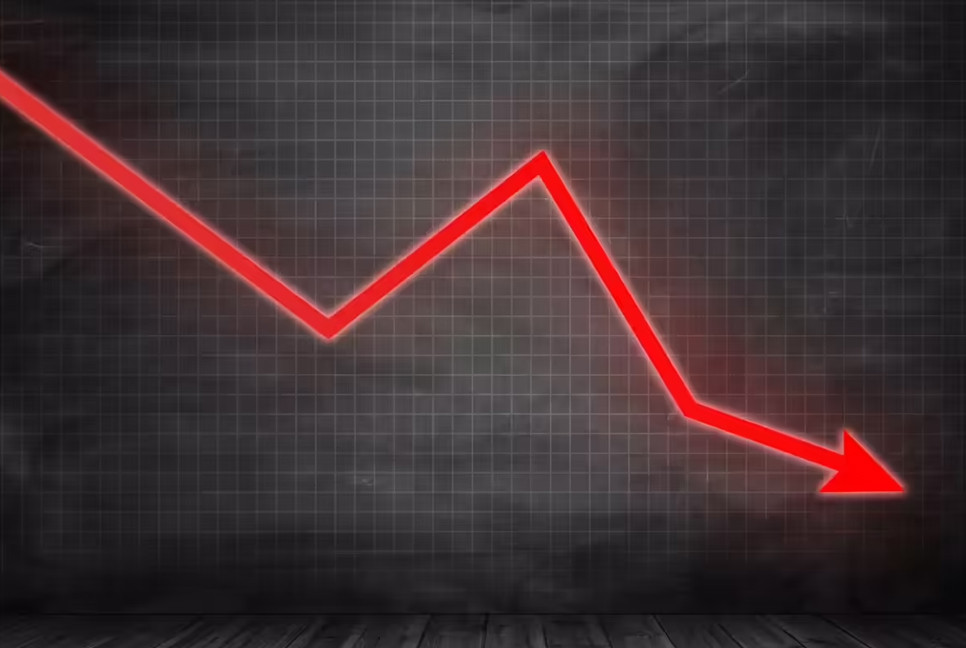
Economic expansion slowed in January, the first month of the year, according to the latest Bangladesh Composite Purchasing Managers’ Index (PMI) released on Sunday.
The index fell by 0.3 points from December to 53.9 in January, compared with 54.2 in the previous month. Despite the decline, expansion continued in the construction and services sectors.
The PMI is jointly published by the Metropolitan Chamber of Commerce and Industry (MCCI) and research organization Policy Exchange Bangladesh. The index is compiled monthly based on four key sectors of the economy: agriculture, manufacturing, construction and services.
PMI observations show that high costs and cash shortages are continuing to put pressure on businesses. Overall business conditions remain weak and uncertain, with rising costs for raw materials, labor, transport and production increasing expenses, while sales have fallen short of expectations.
The upcoming election and political uncertainty are also major concerns, leading to deferred orders, reluctance to invest and cautious behavior among buyers. Seasonal factors and imports have further reduced demand in some sectors. However, business leaders are hopeful of an improvement after March or following the election.
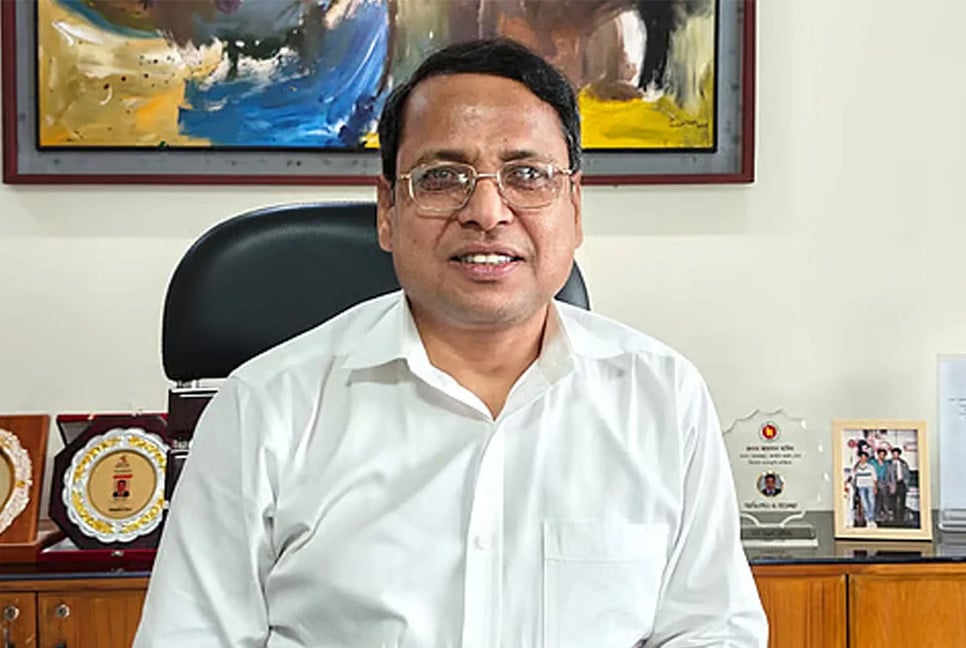
Commenting on the findings, Policy Exchange Bangladesh Chairman and CEO Dr M Masrur Riaz said the latest PMI readings indicate a slowdown in the pace of economic expansion. He noted that a weak recovery in global supply chains and cautious ordering had negatively affected export performance in the manufacturing sector. Nevertheless, he added that continued expansion in future business indices across all major sectors suggests signs of sustainable optimism ahead.
Rising inflation
Inflation rose again in January, the first month of the new year, continuing an upward trend seen in November and December last year. The overall inflation rate increased to 8.58 per cent in January, up from 8.49 per cent in December and 8.29 per cent in November.
The Bangladesh Bureau of Statistics (BBS) released the updated inflation figures on Sunday. Although January’s inflation rate of 8.58 per cent is slightly lower than a year earlier, when it stood at 9.94 per cent in January 2025, price pressures remain elevated.
Monetary policy to be announced
Bangladesh Bank Governor Ahsan H Mansur is scheduled to formally announce the monetary policy for the new year at 3:30pm on Monday. The central bank announces its monetary policy every six months, outlining guidance on money supply, interest rate structures, inflation control and support for the government’s overall economic plans.
Central bank officials said the new policy would maintain continuity with the existing approach, with controlling inflation remaining the top priority. The announcement comes amid advice from the International Monetary Fund (IMF) urging Bangladesh to refrain from cutting policy interest rates until inflation falls below 7 per cent.
As a result, analysts expect Bangladesh Bank to continue its tight, contractionary monetary stance over the next six months. The central bank has followed a restrictive policy since late 2024. Under the most recent monetary policy, the policy rate was kept unchanged at 10 per cent, while the Standing Lending Facility (SLF) rate stood at 11.5 per cent and the Standing Deposit Facility (SDF) rate at 8 per cent.
Inflationary pressures intensified after the taka weakened against the US dollar. In September 2022, inflation rose to 9.52 per cent, up sharply from 7.56 per cent in August of the same year.
Courtesy: The Daily Sun
Bd-Pratidin English/ AM