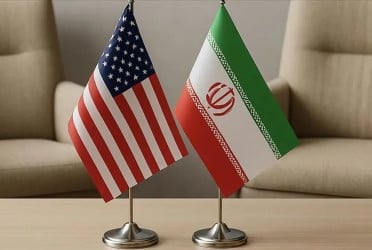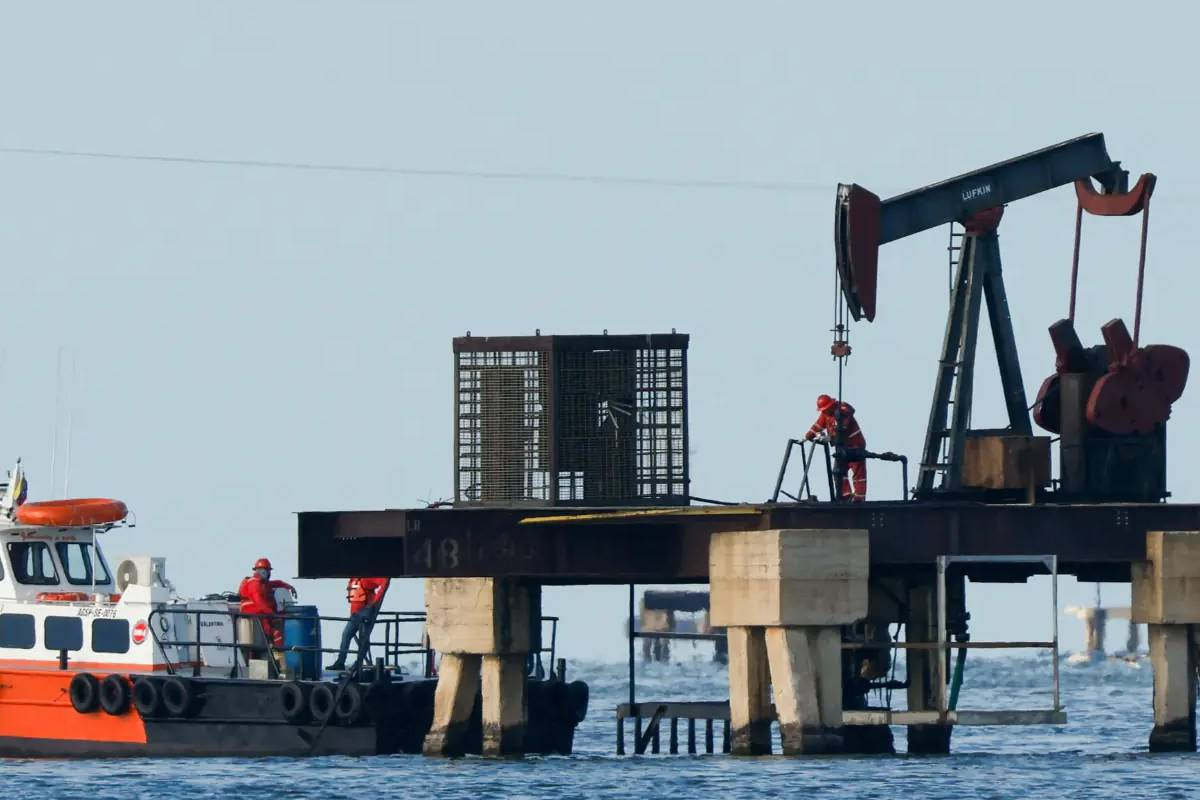
Oil prices extended gains on Wednesday after the United States shot down an Iranian drone and armed Iranian boats approached a US-flagged vessel in the Strait of Hormuz, renewing fears of an escalation in tensions between Washington and Tehran, reports Reuters.
Brent crude futures rose 56 cents, or 0.8%, to $67.89 a barrel by 04:00 GMT, while US West Texas Intermediate (WTI) crude climbed 63 cents, or 1.0%, to $63.84 a barrel. Both benchmarks gained nearly 2% in the previous session as investors closely tracked developments involving the US and Iran.
“Uncertainty about how these talks will play out means the market will likely continue to price in a risk premium,” ING commodity strategists said.
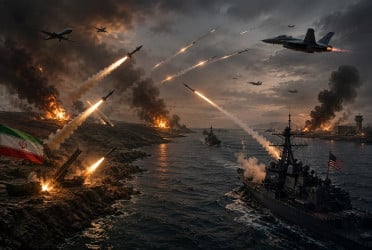
The US military said it shot down an Iranian drone that had “aggressively” approached the aircraft carrier Abraham Lincoln in the Arabian Sea. In a separate incident, Iranian gunboats approached a US-flagged tanker in the Strait of Hormuz, according to maritime sources and a security consultancy.
Diplomatic uncertainty also weighed on sentiment, with Tehran demanding that talks with the US be held in Oman rather than Turkey and limited to bilateral nuclear negotiations, casting doubt on whether the meeting would proceed as planned.
Heightened tensions in the Middle East supported oil prices, analysts said, noting the strategic importance of the Strait of Hormuz. Major OPEC producers—including Saudi Arabia, Iran, the United Arab Emirates, Kuwait, and Iraq—export most of their crude through the waterway. Iran was OPEC’s third-largest crude producer in 2025, according to the US Energy Information Administration.
Oil prices also found support from industry data showing a sharp drop in US crude inventories. Stockpiles fell by more than 11 million barrels last week, sources said, citing American Petroleum Institute data. Official inventory figures from the US Energy Information Administration were due later on Wednesday.
Additional support came from a recent US-India trade agreement that raised hopes of stronger global energy demand, while ongoing Russian attacks on Ukraine reinforced expectations that sanctions on Moscow’s oil exports would remain in place longer.
Bd-pratidin English/ Jisan