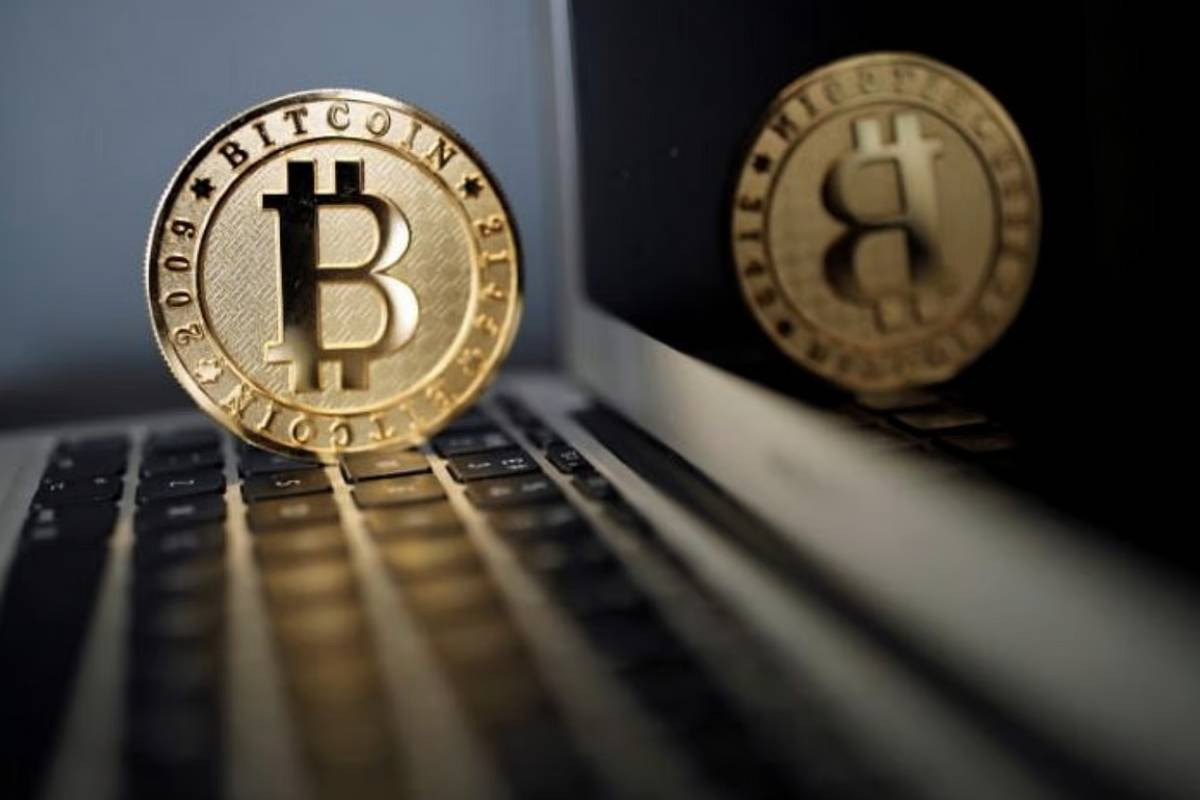
Bitcoin sank below the $75,000 threshold on Monday, extending one of its longest losing streaks in years as fading momentum, forced liquidations and tightening global financial conditions weighed on the cryptocurrency market.
The world’s largest digital asset was trading around $74,684 during Asian hours, according to CoinMarketCap, marking its weakest level since April 2025. From its peak last year, Bitcoin has now dropped nearly 40 per cent, erasing a substantial share of gains accumulated during the previous rally. January alone saw prices retreat about 11 per cent, the fourth consecutive monthly decline and the longest sustained downturn since the aftermath of the 2017 crypto boom.
The selloff has spread across the broader digital asset market. Ethereum, the second-largest cryptocurrency, slipped below the key $2,200 level, adding to losses and reinforcing a risk-off mood among traders.
In the UAE, where Dubai has positioned itself as a regional hub for virtual assets, the downturn has prompted a more defensive stance among investors. Local trading platforms report increased hedging activity and a rise in conversions into stablecoins as residents seek to protect capital amid sharp price swings. Some long-term investors, however, are using the pullback to selectively accumulate assets, betting on continued institutional adoption and clearer regulatory frameworks in the region.
Market participants say Bitcoin’s fall below $75,000 underscores the boom-and-bust nature of cryptocurrencies. In Dubai’s rapidly expanding digital asset ecosystem, the latest slump has reinforced a familiar lesson for investors: markets driven by leverage and sentiment can turn abruptly, making risk management as important as conviction.
Analysts attribute the decline to a combination of technical weakness and macroeconomic pressure. Bitcoin has fallen more than 11 per cent over the past week, breaking below key support levels and triggering algorithmic selling. Momentum indicators suggest the market is deeply oversold, while bearish trend signals remain firmly intact.
Opinions are divided on the outlook. Some strategists warn that Bitcoin could test the psychologically significant $70,000 level if selling pressure continues, particularly if global risk sentiment deteriorates further. Others argue the move represents a cyclical correction rather than a structural breakdown.
“Bitcoin remains a high-beta asset closely tied to global liquidity conditions,” said a UAE-based digital asset analyst. “Short-term pain is driven by leverage and sentiment, but structurally the market still benefits from growing institutional participation, longer-term spot ETF inflows and expanding use cases in payments and tokenisation.”
The downturn has been intensified by the forced unwinding of leveraged positions. Data from derivatives trackers shows that more than $700 million worth of crypto positions were liquidated in the past 24 hours, with around 77 per cent of losses coming from long trades. Ethereum alone accounted for nearly $270 million in liquidations, highlighting the scale of speculative exposure across major tokens.
Traders say the liquidation wave has reinforced downside momentum. “Once Bitcoin slipped below $80,000, stop-loss orders and margin calls accelerated the decline,” said a Dubai-based crypto portfolio manager. “This is a classic leverage flush. Until speculative positioning resets, volatility is likely to remain elevated.”
Macro conditions have also turned less supportive. Stronger US economic data has renewed expectations that interest rates could remain higher for longer, putting pressure on risk assets globally. Rising bond yields and a stronger dollar tend to reduce appetite for non-yielding, volatile assets such as cryptocurrencies. At the same time, geopolitical uncertainty and fragile equity markets have pushed some investors back toward traditional safe havens, draining liquidity from digital tokens.
With momentum indicators firmly negative and liquidation-driven volatility still rippling through the market, traders expect choppy conditions to persist in the near term. Any rebound toward the $80,000 level is likely to face strong resistance unless broader risk appetite improves.
Source: Khaleej Times
Bd-pratidin English/ Jisan