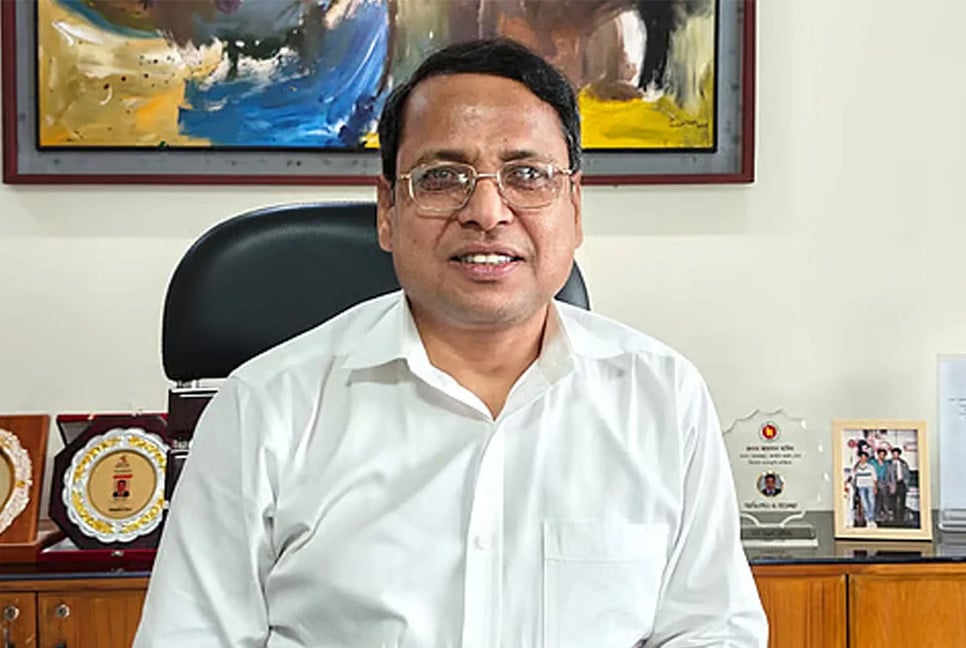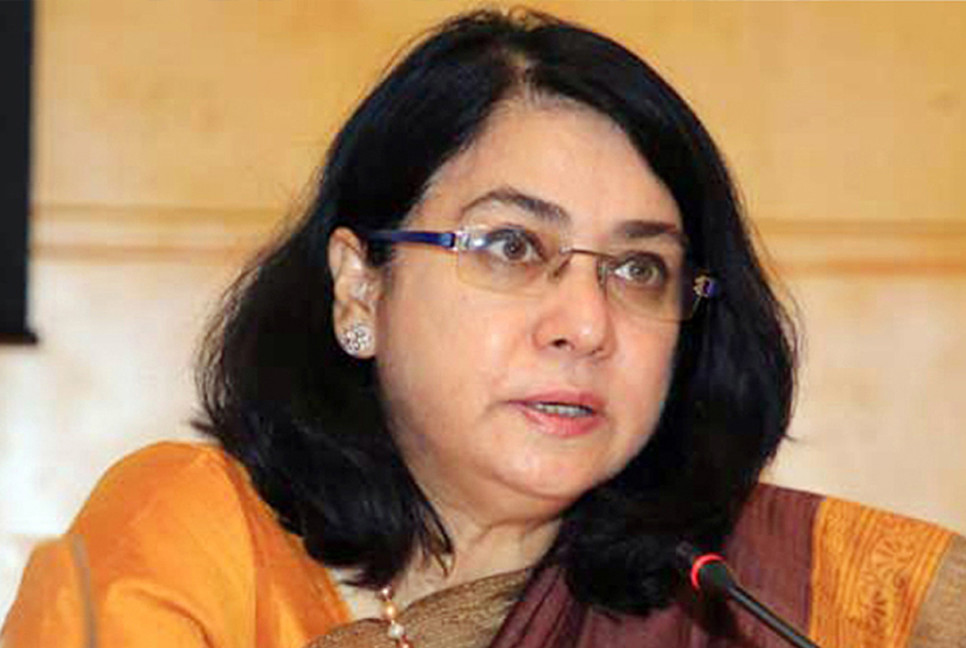
Dr Fahmida Khatun, executive director of the Centre for Policy Dialogue (CPD), has said the next government will face a fragile economy and must prioritise restoring macroeconomic stability after the election.
Fahmida, who earned her PhD from University College London and completed post-doctoral research at Columbia University, said persistent inflation, weak income growth, rising non-performing loans and poor revenue mobilisation have placed severe pressure on the economy. She has worked as a policy adviser across institutions ranging from Bangladesh Bank to the United Nations.
Speaking to Kaler Kantho, she said inflation has eroded purchasing power while wages have failed to keep pace. She also pointed to mounting defaulted loans and structural weaknesses in the banking sector, along with a low tax-GDP ratio, as major inherited challenges for the incoming administration.
Fahmida said controlling prices requires more than monetary tightening. Although Bangladesh Bank raised interest rates to curb liquidity, market syndicates continue to dominate supply chains. She urged the government to ensure transparency, reduce middlemen influence and enforce competition to stabilise prices.
On employment, she said economic growth has not translated into sufficient jobs due to weak investment. She called for a shift towards labour-intensive industries to generate employment.
Responding to demands for lower interest rates, Fahmida said easing rates before inflation subsides would prove counterproductive. She stressed that high business costs stem largely from structural problems, including poor infrastructure, low technology adoption, bureaucratic delays and corruption.
She also criticised the interim government’s limited success in market control, citing weak field-level enforcement and law-and-order concerns that disrupted industrial production, particularly in the garments sector.
Fahmida said genuine banking sector reform must begin with political will. She urged the government to conduct asset quality reviews, stop issuing new bank licences, strengthen Bangladesh Bank’s independence and take firm action against wilful defaulters.
She called for stricter laws to recover defaulted loans, including travel bans, licence cancellations and the establishment of special tribunals to fast-track cases.
On revenue reform, she said Bangladesh relies excessively on indirect taxes such as VAT, which disproportionately burden low-income groups. She urged the government to expand the tax net, strengthen digital tracking of eligible taxpayers and eliminate corruption and harassment in tax administration.
Fahmida said reforms in banking and revenue systems would boost private investment by ensuring easier access to credit and a transparent tax regime, ultimately creating jobs and improving living standards.
She stressed that the next government must act from day one to implement structural reforms and rebuild confidence in the economy.
Bd-pratidin English/ ANI