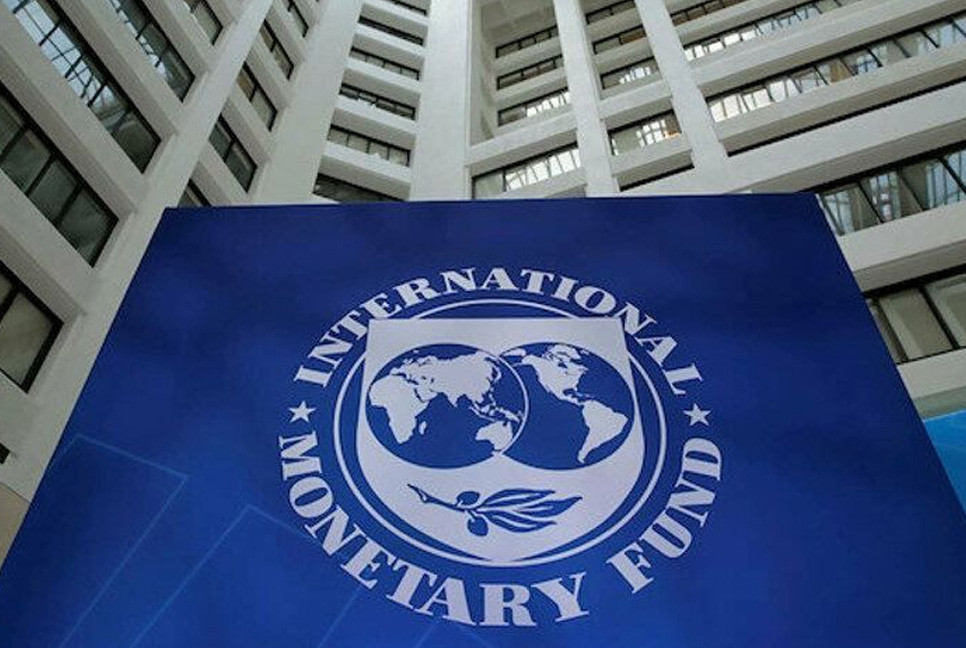
The International Monetary Fund (IMF) has cautioned Bangladesh against providing unsecured liquidity support to weak banks and has called for the full and consistent implementation of exchange rate reforms, reports Daily Sun.
In a statement issued on Friday (30 January) after completing its Article IV Consultation with Bangladesh, the IMF acknowledged the interim government’s efforts to stabilize the economy following the mass uprising in 2024 and ahead of the forthcoming national election.
The statement was released as part of the review of progress in meeting the conditions attached to the IMF’s pledged $5.5 billion loan program for Bangladesh.
The Fund said restoring financial stability requires a credible banking sector reform strategy aligned with international standards. Such a strategy should include an assessment of capital shortfalls, the design of a fiscal backstop framework, and legally robust plans for bank restructuring and resolution.
The IMF also urged the authorities to conduct asset quality reviews of state-owned banks, advance risk-based supervision, and strengthen governance and balance sheet transparency across the financial sector.
It said a tight policy mix must be maintained to rebuild foreign exchange reserves and bring down inflation. Exchange rate reforms should be fully and consistently implemented, with greater flexibility in the exchange rate, while caution should be exercised in extending unsecured liquidity assistance to weak banks.
According to the IMF, monetary policy should remain tight until inflation is firmly on a downward trajectory. While headline inflation eased from double-digit levels at the beginning of the 2024–25 fiscal year, it stood at 8.2 per cent in October. The Fund projects inflation at 8.9 per cent in the 2025–26 fiscal year, falling to around 6 per cent by fiscal year 2027.
The IMF warned that the economy continues to face mounting macro-financial challenges due to weak tax revenue mobilization and risks in the financial sector. Delays in implementing bold fiscal and financial reforms could create significant downside risks.
The Fund forecast Bangladesh’s economic growth at 4.7 per cent in the 2025–26 fiscal year, adding that the economy is expected to gradually recover over the medium term, with growth rising to around 6 per cent.
The IMF also recommended rationalizing subsidies, prioritizing growth-enhancing investment, strengthening social protection, and improving public financial and investment management to support inclusive development and growth.
Bd-Pratidin English/ AM