In Bangladesh, many imported goods sell at nearly double the price found in neighbouring India or other Asian countries. This gap is especially striking given the country’s growing dependence on imports. Many essential products — particularly those whose raw materials are unavailable locally or produced only in limited quantities — have no alternative but to be sourced from abroad. Yet the high prices consumers ultimately pay are driven less by global costs than by structural weaknesses in Bangladesh’s import system.
Official figures show that Bangladesh imported goods and services worth about $75 billion in the 2024–25 fiscal year, including roughly $61 billion in merchandise imports. By comparison, exports stood at $47 billion. This widening imbalance has increased consumer reliance on imported goods, exposing the domestic market to persistent price pressure.
One of the main drivers of high prices is the heavy tax burden at the import stage. Data from the National Board of Revenue indicate that many imported products face combined taxes and duties ranging from 60 to 90 percent. As a result, a product imported for $4 can incur taxes amounting to nearly half — or more — of its value before reaching the market, costs that are ultimately passed on to consumers.
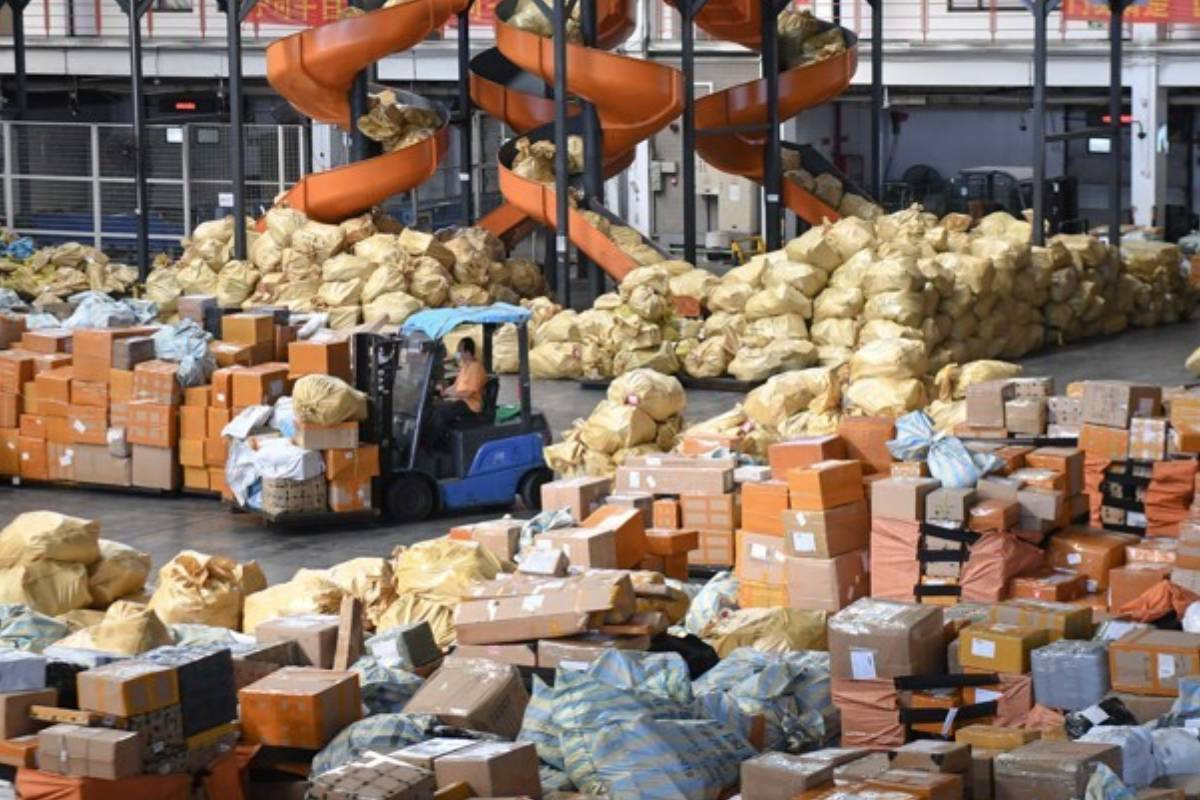
Port inefficiencies further inflate prices. Traders say goods typically take nine to ten days to clear Bangladeshi ports, sometimes longer. In contrast, similar clearance processes in countries such as India often take only three to four days. Extended port stays add rental fees, warehouse charges and other costs, all of which accumulate and push up retail prices.
Importers say these additional costs are largely beyond their control. Releasing a single consignment can require navigating at least 12 to 13 separate steps, including approvals from banks, shipping agents, customs officials, laboratories and port authorities. This complex and time-consuming process significantly raises the cost of doing business.
Khondaker Golam Moazzem, research director at the Centre for Policy Dialogue (CPD), warned that without improvements in import efficiency, controlling prices will become increasingly difficult as Bangladesh evolves into a larger consumer market. He stressed that good governance, administrative efficiency and policy reform are essential to addressing the problem and preventing wider economic harm.
Retailers reject claims that they are driving price increases. Md Zakir Hossain, general secretary of the Bangladesh Supermarket Owners Association, said retail profit margins are low and leave little room for price manipulation. “Importers set prices by adding taxes and import-related costs,” he said.
Importers share that view. Mahmud Shah, owner of Ali Shah Cosmetics, said products are bought at fixed prices abroad, but customs duties and other charges significantly raise costs once they arrive in Bangladesh. “The final price becomes much higher because of taxes and fees,” he said. “It is difficult for us to control.”
Without meaningful reform of tax policy, port operations and import procedures, the gap between foreign and domestic prices is likely to persist, leaving Bangladeshi consumers paying a premium for goods that cost far less just across the border.
Bd-pratidin English/ Jisan