India is seeking to cushion the impact of US tariffs and gain a competitive edge over Bangladesh in the global apparel trade through a proposed free trade agreement (FTA) with the European Union (EU).
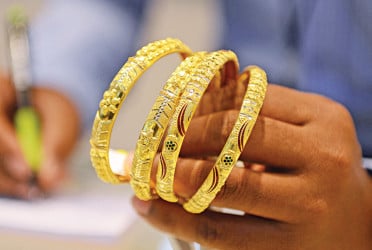
Under the agreement, most Indian products entering the markets of the EU’s 27 member states would enjoy preferential treatment. Tariffs of nearly 12 percent currently imposed on Indian garments would be reduced to zero. Duties on other Indian exports—including leather goods, seafood, handicrafts and jewellery—would also be reduced or eliminated entirely.
The announcement of the trade deal was made last Tuesday by Indian Prime Minister Narendra Modi, European Commission President Ursula von der Leyen, and European Council President António Costa, marking the culmination of nearly two decades of negotiations. Subject to approval by the European Council, the European Parliament and India’s parliament, the agreement is expected to come into force in 2027.
India’s Zee News reported that New Delhi expects the deal to allow India to capture a significant share of Bangladesh’s garment exports to the EU.
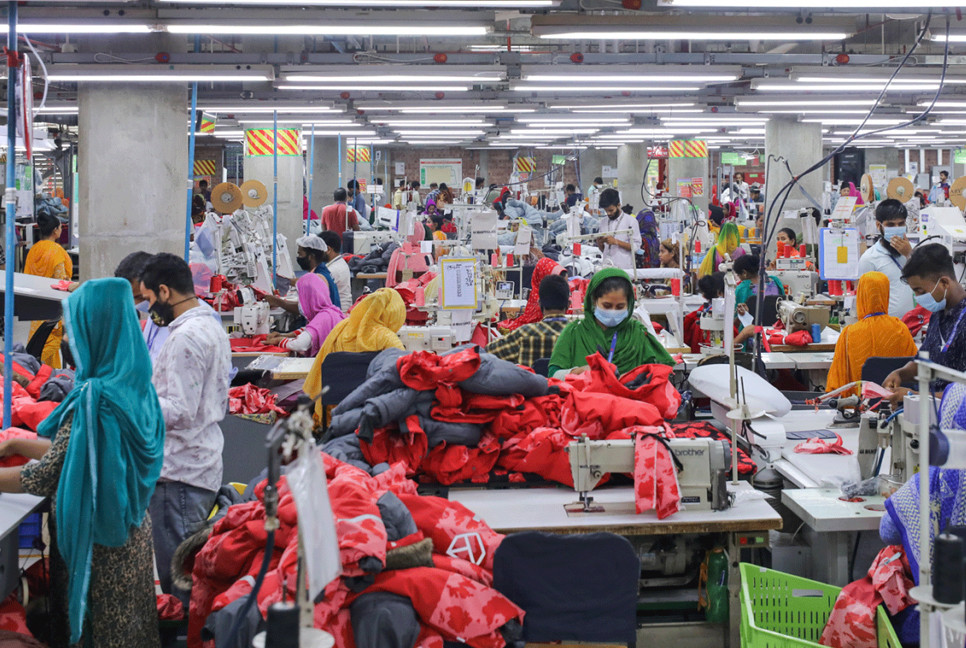
Since 1975, Bangladesh has benefited from preferential access to the EU market under least developed country (LDC) trade facilities, helping it become the EU’s second-largest apparel supplier. Bangladesh has surpassed China in several product categories, including denim, trousers and T-shirts.
In the EU apparel export rankings, Bangladesh currently holds second place after China, followed by Turkey, India, Cambodia, Vietnam, Pakistan, Morocco, Sri Lanka and Indonesia. During the 2024–25 fiscal year, more than 50 percent of Bangladesh’s total garment exports—worth approximately $19.71 billion—went to EU member states.
Following the announcement of the EU deal, India’s Commerce Minister Piyush Goyal said he expects India’s textile exports to Europe to rise rapidly from $7 billion to between $30 billion and $40 billion. “We were often asked how Bangladesh managed to export so much to Europe,” he said. “They benefited from duty-free access and captured a $30 billion market.”
According to Zee News, increased Indian garment exports to the EU—driven by competitive pricing and improved product quality—could place Bangladesh’s apparel sector under growing pressure.
Bd-pratidin English/ ANI