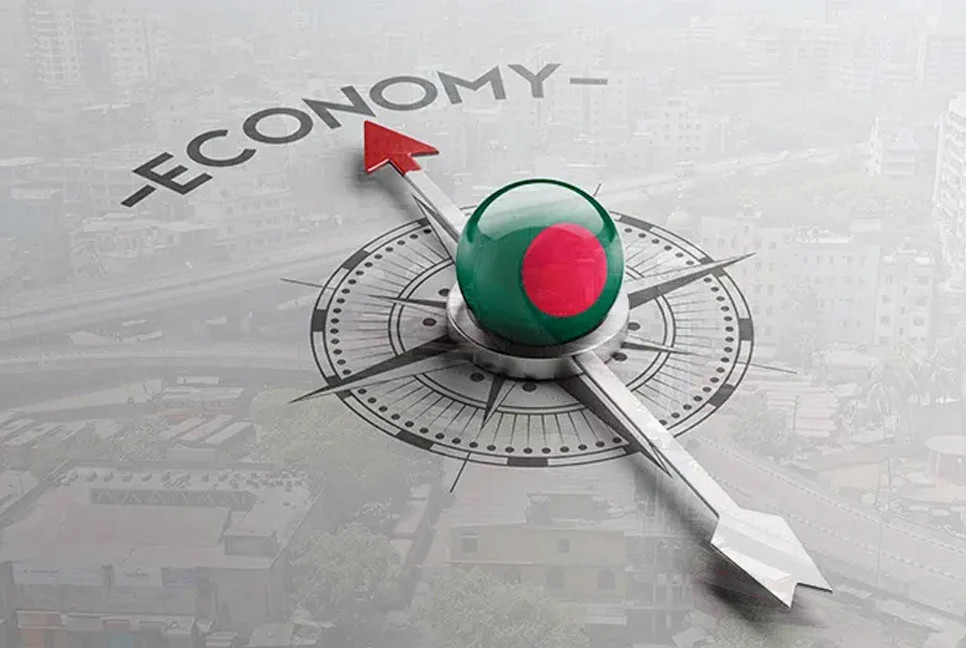
As the country moves through an intense political phase ahead of national elections, uncertainty continues to dominate both public life and economic decision-making. An election atmosphere prevails nationwide, and all eyes are fixed on the formation of a political government. Among businesspeople, investors, and ordinary citizens alike, there is a widespread hope that a new government will help restore confidence, stability, and predictability. Many believe that only after political clarity returns will long-term investment plans become viable again. Yet, despite these expectations, Bangladesh’s economy remains critically ill, showing little sign of revival.
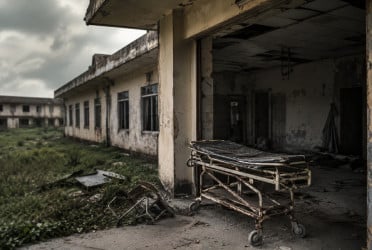
Economists and business leaders increasingly describe the economy using medical metaphors. Some say it is in the ICU; others argue that while the “heart” of the economy—exports and remittances—is still functioning, vital organs such as the banking sector and revenue system are failing. With the tax-to-GDP ratio staying well below the desired 10 percent threshold and actually falling under 8 percent, many experts now call the situation one of “financial anemia.” Years of structural weakness, mismanagement, and policy inconsistency have pushed the economy into a prolonged slowdown.
The pressure on the economy has been building since the tenure of the ousted Awami League government. During that period, foreign exchange reserves, which once stood at around USD 48 billion, gradually eroded and have now fallen to roughly USD 21 billion. The depreciation of the taka has further deepened the crisis. A dollar that once cost Tk 86 is now being traded at Tk 124–125, significantly increasing import costs and fueling inflation. Inflation crossed into double digits, eroding purchasing power and increasing the cost of living for ordinary people.
In response, the interim government adopted a contractionary monetary policy, repeatedly raising interest rates to as high as 14–16 percent. While inflation has eased slightly, it remains uncomfortably high. By December, it rose again to 8.49 percent, underscoring the limits of monetary tightening. Wages, meanwhile, have failed to keep pace. Wage growth stands at about 8.08 percent, lower than inflation, meaning real incomes continue to shrink. For households, this gap has translated into declining living standards and growing financial stress.
Economists argue that the economy has slipped into stagflation—a condition marked by high inflation, low investment, and rising unemployment. This combination is widely regarded as one of the most difficult economic scenarios to manage. High interest rates may reduce inflation marginally, but they also suppress investment. In Bangladesh, this trade-off has become increasingly evident. Private-sector credit growth has fallen to just 6.58 percent, reflecting tight liquidity and weak borrowing appetite. Businesses say loans have become too expensive, making expansion or new ventures nearly impossible.
As a result, factory closures and job losses are accelerating. In the industrial belts of Gazipur and Savar alone, 327 factories have shut down, leaving around 150,000 workers unemployed. At a recent seminar organized by the International Chamber, business leader A.K. Azad warned that 1.2 million people have already lost jobs, while another 1.2 million could become unemployed within the next six months. These figures highlight the severity of the crisis gripping the private sector.
Domestic investors are struggling to stay afloat, and foreign investors are increasingly cautious. Government data for the 2024–25 fiscal year show that foreign direct investment has dropped by 58 percent compared to the same period last year. While the private sector faces a credit crunch, government borrowing from banks continues unabated. Public-sector credit growth has climbed to 23 percent, intensifying what economists describe as the “crowding-out effect.” As the government borrows heavily to cover budget deficits, fewer funds remain available for private investment.
The consequences of investment stagnation are visible across the economy. Lower business activity has reduced corporate and personal incomes, which in turn has depressed government revenue. In the first six months of the current fiscal year, the revenue shortfall reached Tk 460 billion. Against a target of Tk 2.31 trillion, actual collection amounted to only Tk 1.85 trillion. This widening gap has forced the government to borrow more, creating a vicious cycle of debt and low growth.
At the same time, implementation of the Annual Development Programme (ADP) has stalled due to funding constraints. In the first half of the fiscal year, ADP implementation stood at just 17.54 percent—the lowest in two decades. Poor ADP execution has slowed infrastructure development, weakened job creation, and further dampened economic momentum. Economists warn that without effective public investment, growth prospects will remain bleak.
The banking sector remains another major source of concern. High levels of non-performing loans—described by economists as a “cancer”—have undermined confidence. When defaulted loans reach 17–20 percent and some banks are unable to return depositors’ funds, the health of the entire financial system comes into question. In Bangladesh, five troubled banks have already been merged, sending negative signals to both domestic and foreign stakeholders. Discussions about further mergers or even closing down weaker banks underscore the fragility of the sector.
Beyond finance, energy shortages have added another layer of strain. Business leaders often describe liquidity and energy as the “oxygen” of industry. Yet both remain in short supply. Gas shortages have reduced production capacity in many factories to as low as 30–40 percent. Lower production makes it harder for businesses to repay loans, increasing financial stress and raising the risk of further closures.
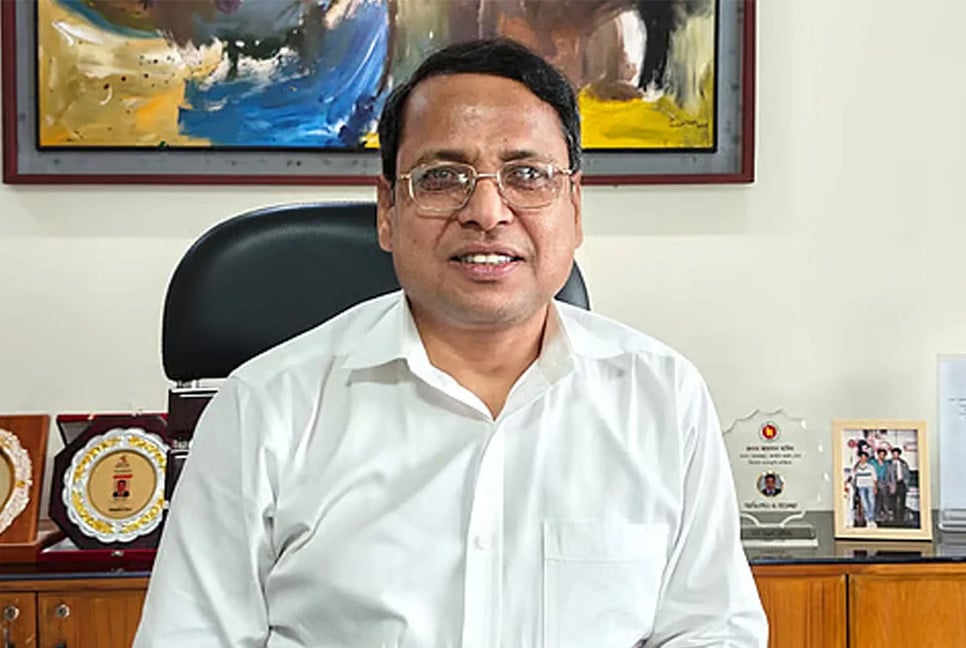
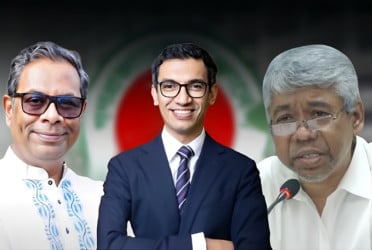
Centre for Policy Dialogue (CPD) Executive Director Dr. Fahmida Khatun warns that the economy has reached a suffocating stage. She points to high inflation, banking fragility, and prolonged investment stagnation as the core challenges. According to her, years of mismanagement, institutional weakness, and politically backed rent-seeking have pushed the economy into this crisis. While the central bank has attempted to rein in inflation, market distortions and powerful syndicates have prevented the benefits from reaching ordinary people. Meanwhile, high interest rates are squeezing small and medium enterprises, freezing private investment and job creation.
The stock market reflects this loss of confidence. Daily turnover has dropped sharply from around Tk 20 billion to nearly Tk 5 billion, while the benchmark index has fallen below 5,000 points from 5,700. Many retail investors have suffered heavy losses, especially after the removal of the floor price, with some stocks losing 50–70 percent of their value. Faced with uncertainty and fear of manipulation, investors now prefer to keep money in banks for modest returns rather than risk the capital market.
Looking ahead, economists stress that recovery will require more than short-term measures. Deep structural reforms in revenue collection, banking governance, and institutional transparency are essential. While exports and remittances continue to provide some support, experts caution that these alone cannot sustain growth. As Dr Fahmida Khatun notes, the heart of the economy may still be beating, but its vital organs are close to failure. Whether the economy can be pulled back from the brink will depend largely on political stability, policy credibility, and the willingness to undertake uncompromising reforms in the months ahead.
Source:Kalerkantho
Bd-pratidin English/ ANI