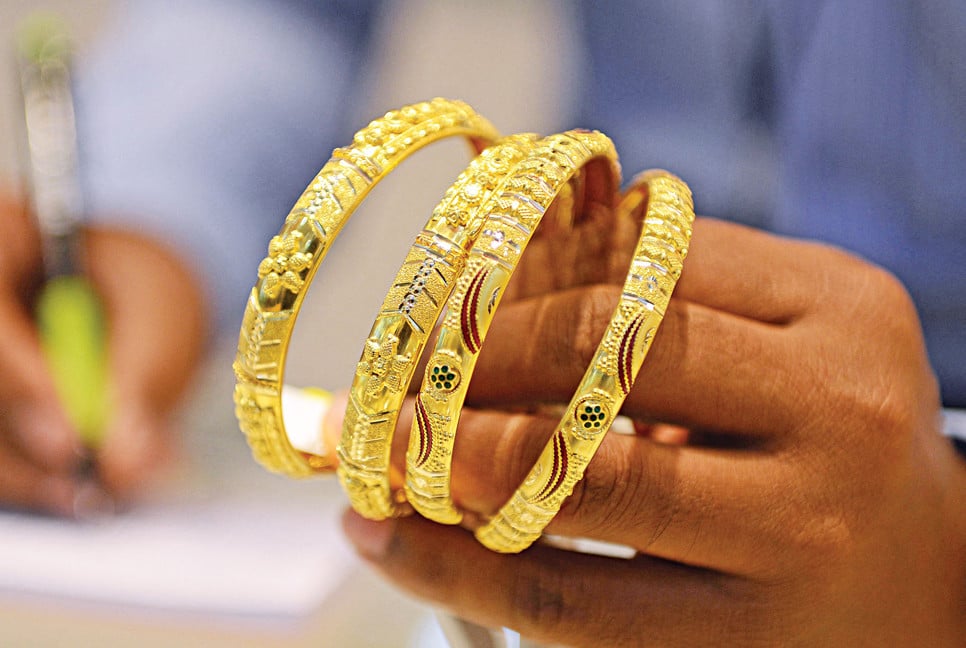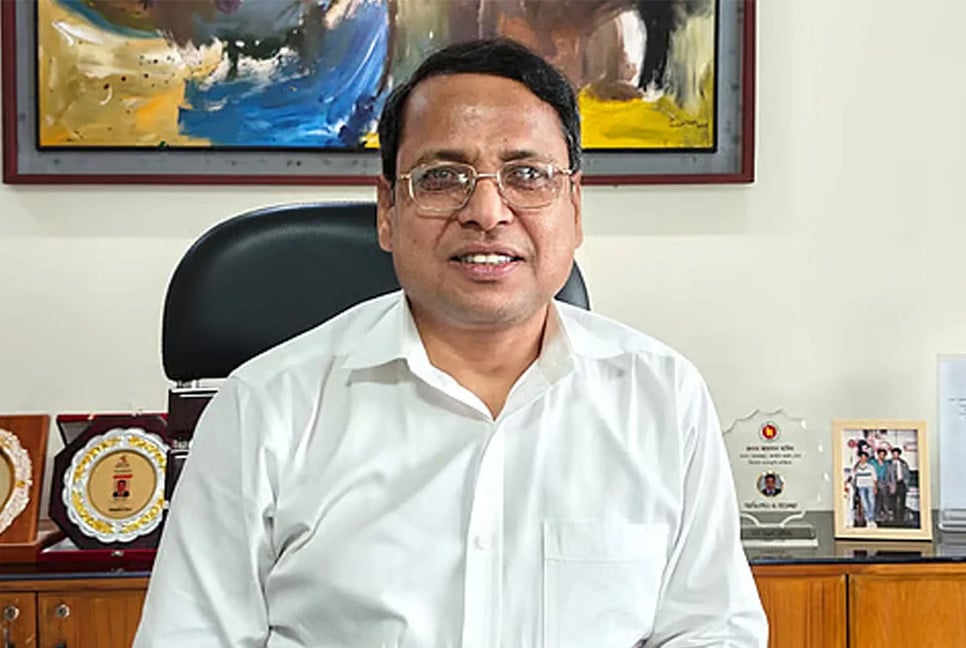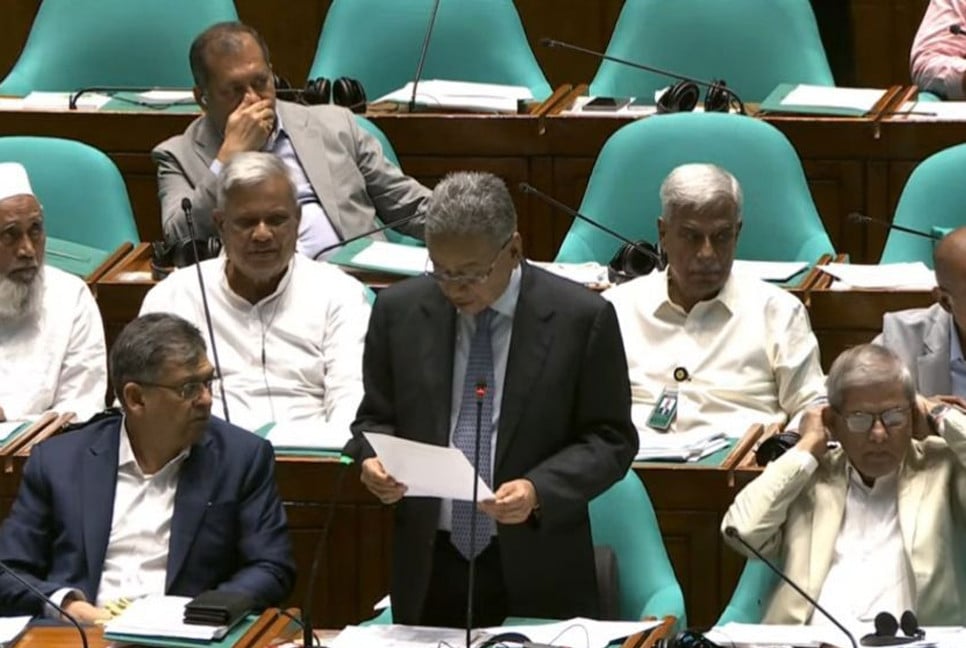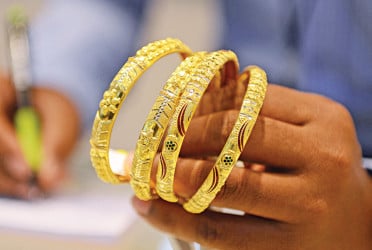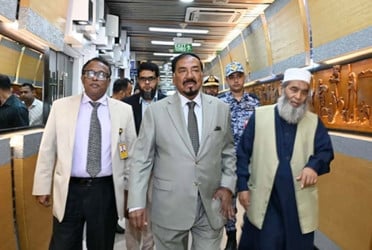
National Board Revenue chairman Md Abdur Rahman Khan on Wednesday said the VAT and turnover tax structure for the jewellery sector may be reviewed to restore discipline through reforms, digitalisation and closer cooperation between the government and businesses.
‘The government may reconsider the 5 per cent VAT and 1 per cent minimum turnover tax, addressing traders’ long-standing concerns’, Khan said speaking at a Meet the Business dialogue organised by NBR with leaders of the Bangladesh Jewellers Association, reports NewAge.
NBR member (VAT Policy) Md Azizur Rahman delivered the opening remarks at the programme, while BAJUS president Enamul Haque Khan, general secretary Badal Chandra Roy, vice-president Masudur Rahamad and other industry leaders attended the event.
Answering the question from BAJUS, NBR chairman said, ‘Our belief is simple, businessmen should focus on business, and our responsibility is to make that path easier, more transparent and rule-based.’
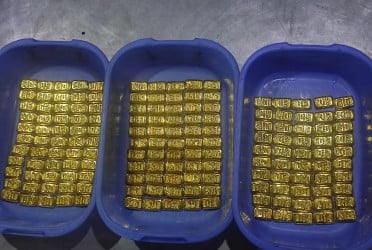
He further said that most gold entered the country through informal channels.
He noted that arbitrary tax rates discourage compliance and are difficult to enforce, stressing that fair and logical taxation is critical to bringing the jewellery sector under a disciplined and formal framework.
Describing jewellery as one of the country’s oldest trades, Khan said, despite various policy initiatives over the years, it has failed to progress as expected due to the absence of discipline, structured systems and transparent record-keeping.
On VAT, the NBR chairman agreed with BAJUS leaders that imposing 5 per cent VAT on the full sales value of jewellery is not rational, particularly for high-value products like gold ornaments, where actual value addition mainly comes from making charges.
Under standard VAT principles, he explained, applying 15 per cent VAT on real value addition with full input tax credit would result in an effective tax burden of around 1–2 per cent in many cases.
‘If that is the reality, there is no justification for arbitrarily imposing 5 per cent on the total value,’ he said, inviting BAJUS and tax experts to propose a practical VAT formula based on value addition so that legal adjustments can be made, possibly in the upcoming budget or finance act.
Khan also reiterated his opposition to turnover-based taxation, calling it fundamentally flawed to tax turnover rather than actual profit.
However, he acknowledged that the 1 per cent minimum turnover tax exists due to long-standing mistrust between taxpayers and tax authorities.
To address this, he said the NBR wants full and accurate recording of transactions and is prepared to develop simple, sector-specific digital software for jewellery traders.
‘Once real-time, reliable records are ensured, the need for minimum turnover tax will gradually disappear,’ he said.
Highlighting inconsistencies in financial reporting, Khan pointed out that many businesses report high turnover to banks to obtain loans while declaring losses to tax authorities.
He warned that this dual practice must end and said auditors, accountants and chartered accountants must ensure that no fabricated or misleading financial statements are submitted.
On gold supply and VAT deduction at source, Khan said the unique nature of gold transactions requires careful consideration.
He supported VAT-inclusive pricing to reduce compliance complexity and consumer resistance, and advocated broader access to importer licences to increase competition and improve discipline.
Addressing export-related issues, he reaffirmed that duty drawback is a fundamental right of exporters and suggested controlled mechanisms, such as time-bound export commitments backed by guarantees, to prevent misuse.
Khan proposed forming technical committees involving the NBR, customs, BAJUS, Bangladesh Bank and the Ministry of Commerce, stressing that restoring discipline is not only an economic issue but also one of credibility, safety and the future of the next generation.
The traders demanded an increase in the number of licences for jewellers and easier import procedures.
From the traders’ side, BAJUS representatives raised concerns over licensing and sourcing.
One representative said that in the past, import licences were issued to cricketers instead of genuine jewellery traders, creating frustration and financial losses for those directly involved in the business.
‘We want to pay VAT to the government, just give us the licence,’ the representative said.
They also said around 2.8 million people are directly or indirectly involved in the jewellery business, yet gold sourcing remains unclear and discriminatory, which they described as highly unfair.
The traders demanded an increase in the number of licences for jewellers and easier import procedures, adding that they are willing to buy gold directly from the government rather than rely on informal channels.
Bd-pratidin English/ ANI