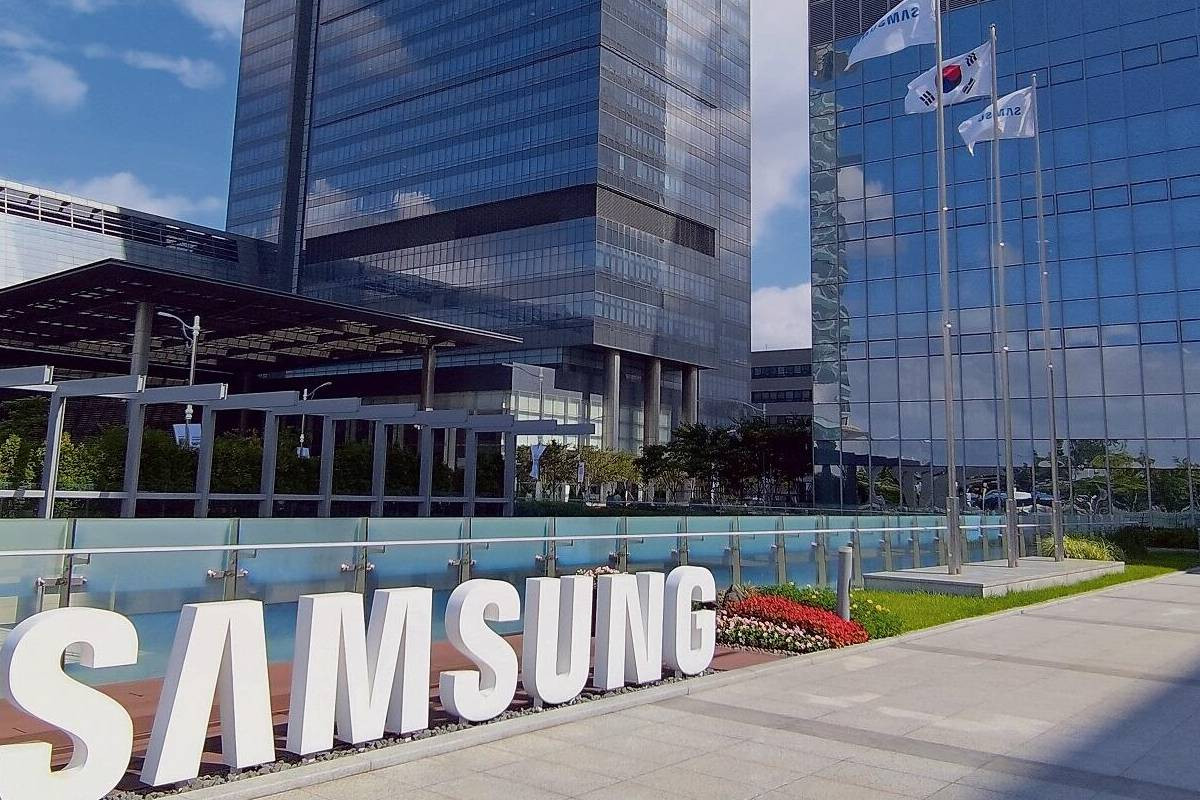
Samsung Electronics (005930.KS) is expected to report a 160% rise in fourth-quarter operating profit, fueled by soaring memory chip prices amid booming demand for artificial intelligence (AI), reports Reuters.
The company is likely to post an operating profit of 16.9 trillion won ($11.7 billion) for October–December, according to LSEG SmartEstimate from 31 analysts—up from 6.49 trillion won a year earlier and approaching the record 17.6 trillion won posted in Q3 2018. Some analysts now forecast profits could exceed 20 trillion won due to unexpectedly high memory prices. Samsung plans to release full revenue and profit figures on Thursday.
DDR5 DRAM chip prices surged 314% in Q4 from a year earlier, according to TrendForce, while conventional DRAM contract prices are expected to rise 55–60% this quarter. DRAM chips, used in servers, computers, and smartphones, temporarily store data and help run applications efficiently. DDR5 offers higher speed and energy efficiency than its predecessor.
TrendForce analyst Avril Wu said, “As conventional DRAM prices continue to surge, Samsung—whose production is largely concentrated in this segment—stands to benefit the most from the current price upcycle.”
Samsung’s profit turnaround comes just over a year after CEO Jun Young-hyun apologized for underperforming in high-end chips, trailing rival SK Hynix (000660.KS) in supplying Nvidia (NVDA.O) AI processors. Shares rose 125% last year, marking their largest annual gain in 26 years, before pulling back 2.1% Tuesday amid a broader market dip.
Jun highlighted strong customer demand for next-generation high-bandwidth memory (HBM4) chips, with analysts noting Samsung is gaining market share against SK Hynix and Micron, supplying Nvidia’s Vera Rubin AI platform, scheduled to launch later this year.
Analysts predict Samsung’s full-year operating profit could surpass 100 trillion won, as high chip prices offset slowing revenue in the mobile division. Lee Min-hee of BNK Investment & Securities warned that rising chip prices could dampen demand for PCs, smartphones, and AI data centers, posing risks to growth.
While the memory shortage benefits Samsung’s semiconductor business, co-CEO TM Roh acknowledged that surging chip prices are squeezing margins in its smartphone division, describing the impact as “inevitable” and saying the company is working to minimize it.
Bd-pratidin English/ Jisan