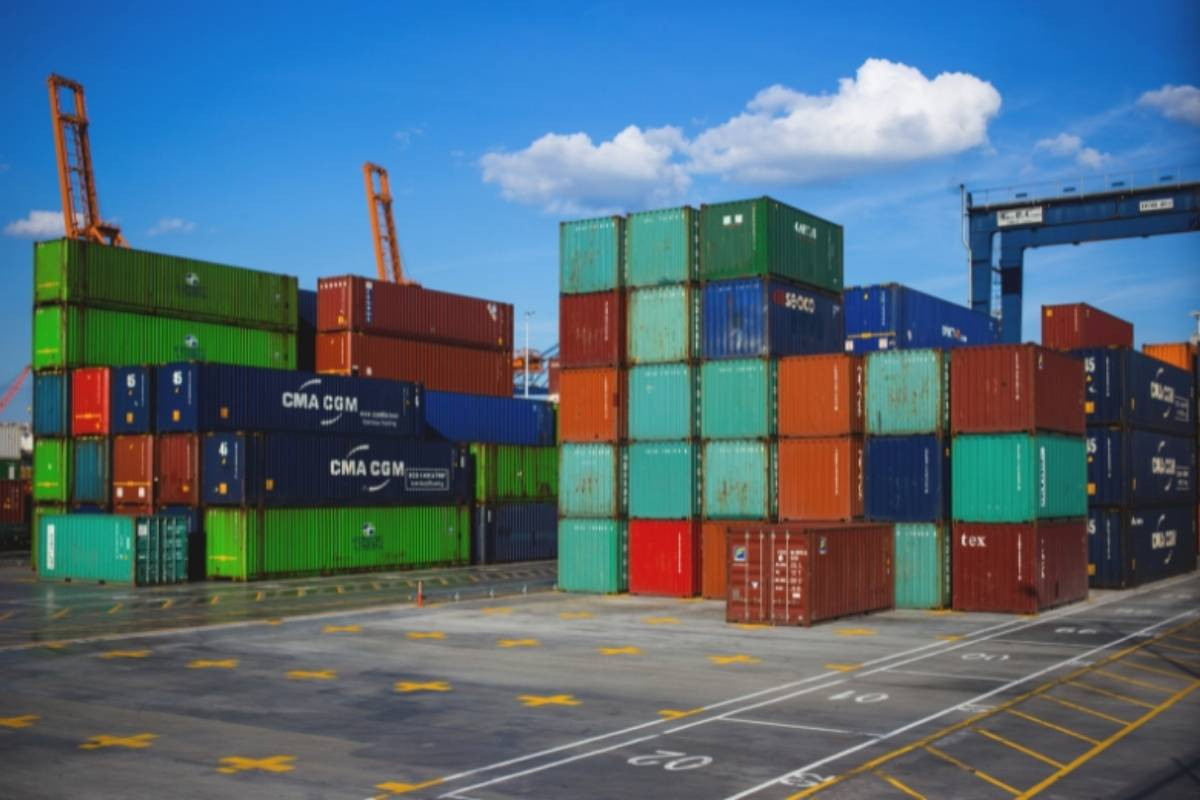
Bangladesh’s export earnings continued their downward trend in December, with shipments falling 14.25% year-on-year to $3.89 billion, marking the fifth consecutive month of decline. The apparel sector, which accounts for about 85% of the country’s total export receipts, was hit particularly hard, with December shipments down by more than 14%.
According to the latest data from the Export Promotion Bureau (EPB) released on January 4, 2026, December exports were down from $4.63 billion in December 2024, reflecting weak demand in key markets such as the United States and increased competition in Europe from China and India.
Overall export earnings for the first half of the fiscal year (July–December) fell 2.19%, totaling just under $24 billion, further deepening concerns about the country's export performance.
The apparel sector saw a sharp contraction, with exports totaling $3.23 billion in December, down from $3.77 billion a year earlier. While garment exports improved slightly compared to November, both knitwear and woven garment exports experienced declines. Small and medium-sized factories were particularly affected, as a steep fall in orders continues to pressure margins and production capacity.
BGMEA President Mahmud Hasan Babu attributed the slump to several factors, including reduced demand in the US market due to reciprocal tariffs imposed under the Trump administration. At the same time, China and India have ramped up their marketing efforts in the European market, increasing competition for Bangladesh’s export orders.
“The decline in demand in the US market, partly due to tariffs, has impacted our exports. Meanwhile, China and India are aggressively marketing in Europe, lowering their prices to secure orders,” Babu said. He called on the government to support businesses by providing incentives and reducing costs to improve Bangladesh’s export competitiveness.
In addition to apparel, other key export sectors also struggled. While frozen product exports rose by 3.72% over the past six months, December’s frozen product shipments fell by 21.20% year-on-year. Similarly, agricultural exports dropped by 10.30% in the first half of the year, with a 27.56% fall in December alone.
However, exports of leather goods and jute products saw some growth, with leather exports rising by 5.55% during the July–December period compared to the previous fiscal year. Engineering products such as bicycles, copper wire, and stainless steel also showed growth, though exports of plastics, footwear, and specialized textiles continued to decline.
The US’s additional 20% tariff on Bangladeshi goods has compounded the challenges, raising the total duties to 35%. This, along with lower duties for China and India, has led to aggressive pricing by these countries in the European market, further hurting Bangladesh’s competitiveness.
CPD Executive Director Fahmida Khatun warned of the broader economic impact, saying, “If export earnings continue to fall, it will create an imbalance in the balance of payments, leading to a drawdown of foreign exchange reserves to cover imports and service external debt, which is not sustainable.”
To counteract the downturn, experts suggest Bangladesh focus on diversifying its markets and products. BKMEA President Mohammad Hatem added that the global market disruption caused by new tariff rates has severely affected Bangladesh’s exports, particularly to the US. “With China and India focusing on Europe, we are losing out on orders for similar products,” he said.
Bd-pratidin English/ Jisan