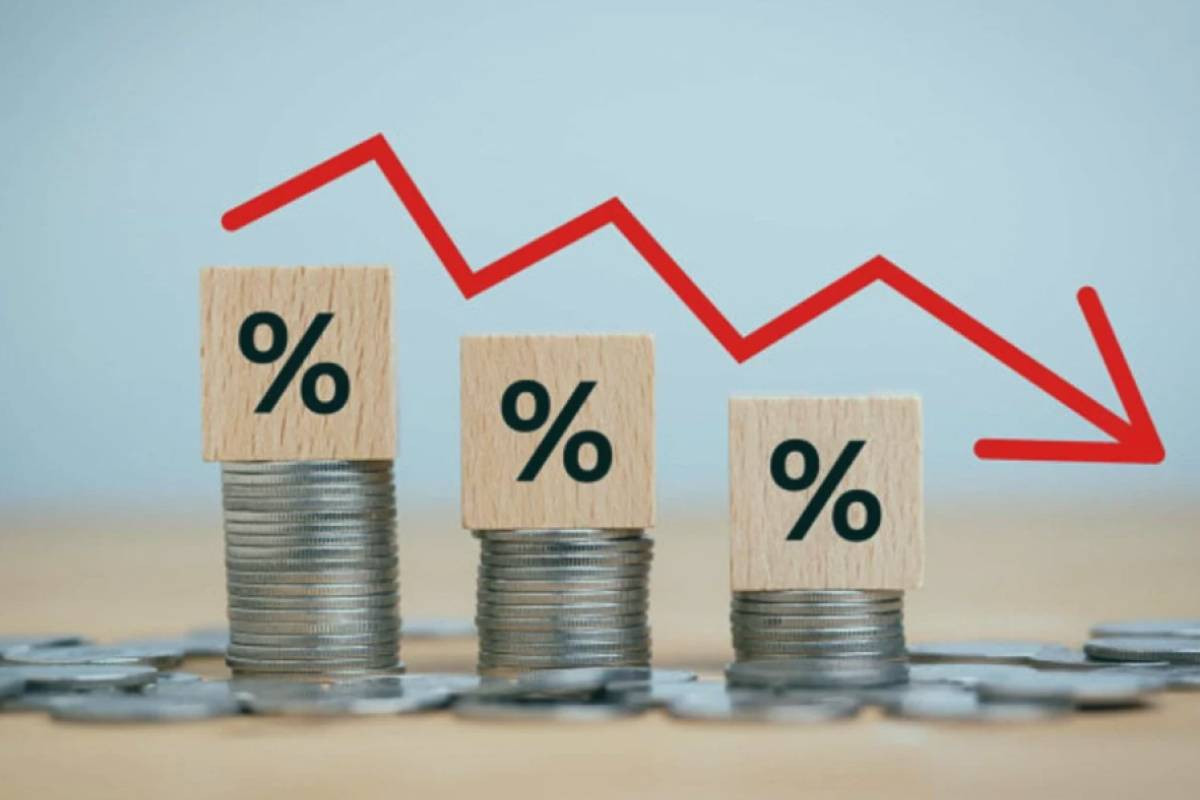
Private sector credit growth fell to 6.58 percent in November, remaining below 7 percent for the sixth consecutive month and raising serious concerns about stagnating investment in the country. Entrepreneurs remain reluctant to take new loans amid high interest rates, weak demand and policy uncertainty.
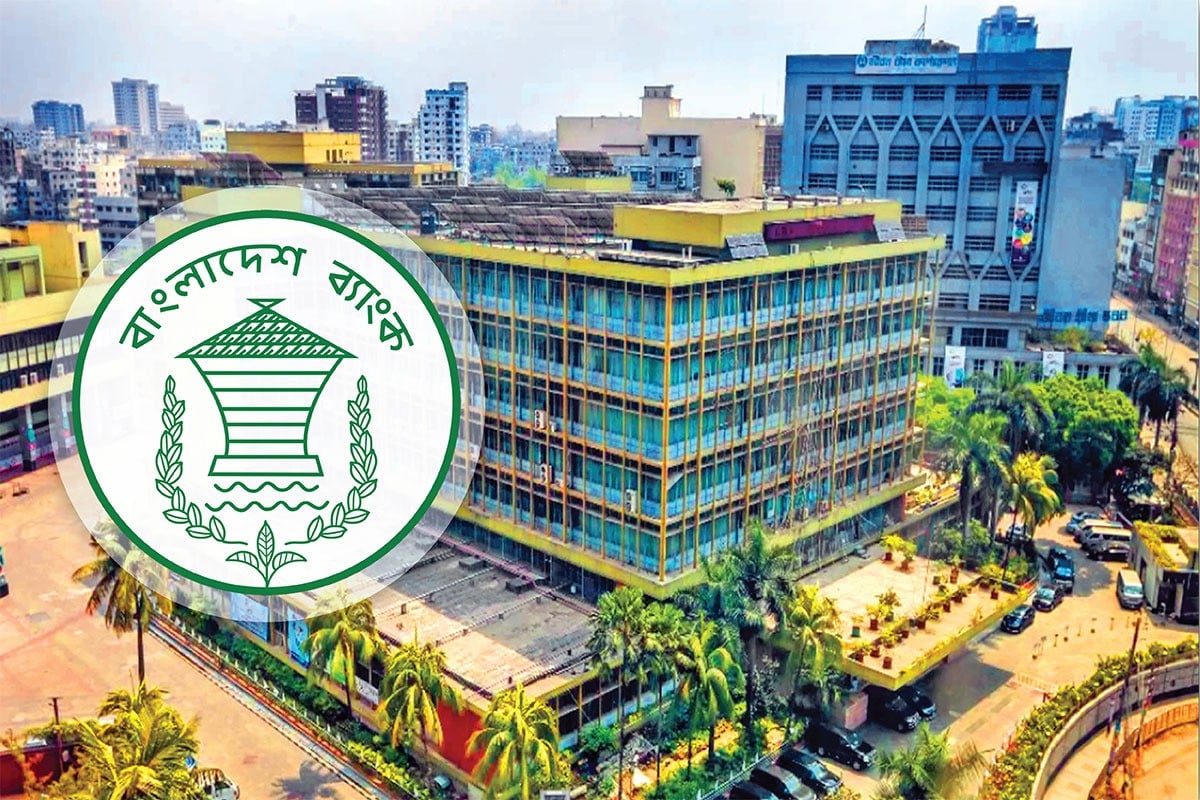
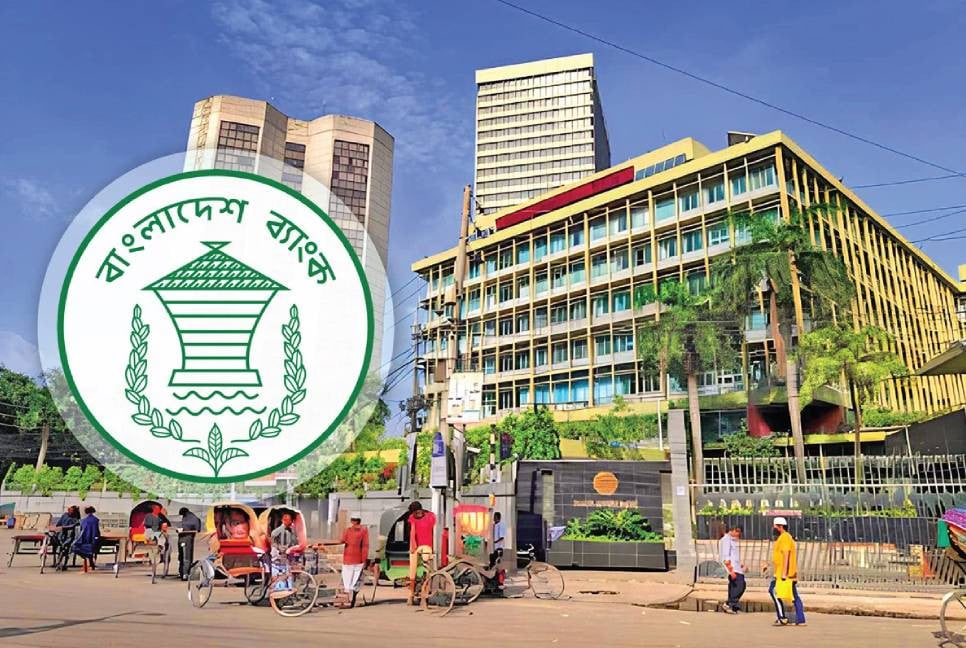
According to Bangladesh Bank data, private sector credit growth stood at 6.58 percent at the end of November 2025, well below the central bank’s target. Economists say the prolonged slowdown points to a sharp decline in new investment, with potential adverse effects on employment, industrial production and overall economic growth.
Professor Mustafizur Rahman, Distinguished Fellow at the Centre for Policy Dialogue (CPD), said the weak credit growth reflects limited industrial expansion. “If there is no new investment, demand for bank loans will not increase. The current loan growth shows that new industrial establishments and expansionary investments are very limited. Lower investment directly affects employment and GDP growth—less investment leads to higher unemployment and slower economic growth,” he said.
Bangladesh Bank figures show that Tk 177,382 crore was disbursed to the private sector in November 2025, compared with Tk 166,432 crore in November 2024, resulting in a year-on-year growth of 6.58 percent. Public sector credit growth also weakened, hitting a historic low of 6.23 percent in October. Meanwhile, settlement of capital equipment import liabilities declined by more than 16 percent during July–November of the current fiscal year.
Economists say these trends provide strong evidence of stagnation in new investment. Bankers attribute the slowdown to elevated borrowing costs, subdued domestic demand and lingering political uncertainty.
Bangladesh Knitwear Manufacturers and Exporters Association (BKMEA) President Mohammad Hatem said political instability has eroded business confidence. “No one will invest in a risky environment. The emerging mob culture is not business-friendly. Without normal law and order, neither domestic nor foreign investment will come. If we cannot operate a Tk 50 crore machine properly for three years, the losses could be enormous,” he said.
Senior bank officials said that following recent political changes, many large industrial units have either shut down or are operating at reduced capacity. Factories belonging to major groups such as Nassa, Beximco and Gazi are fully or partially closed, while those still operating are running at 60 to 70 percent below previous production levels.
Pubali Bank Managing Director Mohammad Ali said investment could recover if stability returns. “If the business environment normalises after the elections, investment will rise, and bank loan growth will increase,” he said.
Entrepreneurs say fresh investment is virtually impossible as lending rates have climbed to 15–16 percent, sharply cutting into profit margins. Businesses are also grappling with a prolonged gas crisis, which has disrupted factory operations for several months.
Traders say inconsistent gas supply has prevented them from producing at desired levels, resulting in mounting losses. Despite repeated appeals to the authorities, they say no effective solution has been forthcoming, further discouraging business expansion.
Mohammad Hatem added that uncertainty over gas and electricity supply is a major deterrent to new investment. “Before investing, I have to consider whether I will get gas and electricity. The government is currently unable to ensure uninterrupted supply. Even my own factory suffered due to shortages, and higher costs later reduced profitability,” he said.
With demand for private sector loans weakening, banks have increasingly shifted funds into treasury bills and bonds. A senior private bank official said government securities currently offer around 11 percent interest with virtually no risk, making them attractive amid limited private investment opportunities. As a result, a large portion of income for many conventional banks now comes from investments in government debt.
Although early 2025 saw concerns over rising deposit rates, high inflation, weak loan demand and political uncertainty, recent data suggest these challenges have had a deeper and more prolonged impact on investment and credit growth than initially expected.
Source: Kaler Kantho
Bd-pratidin English/ Jisan