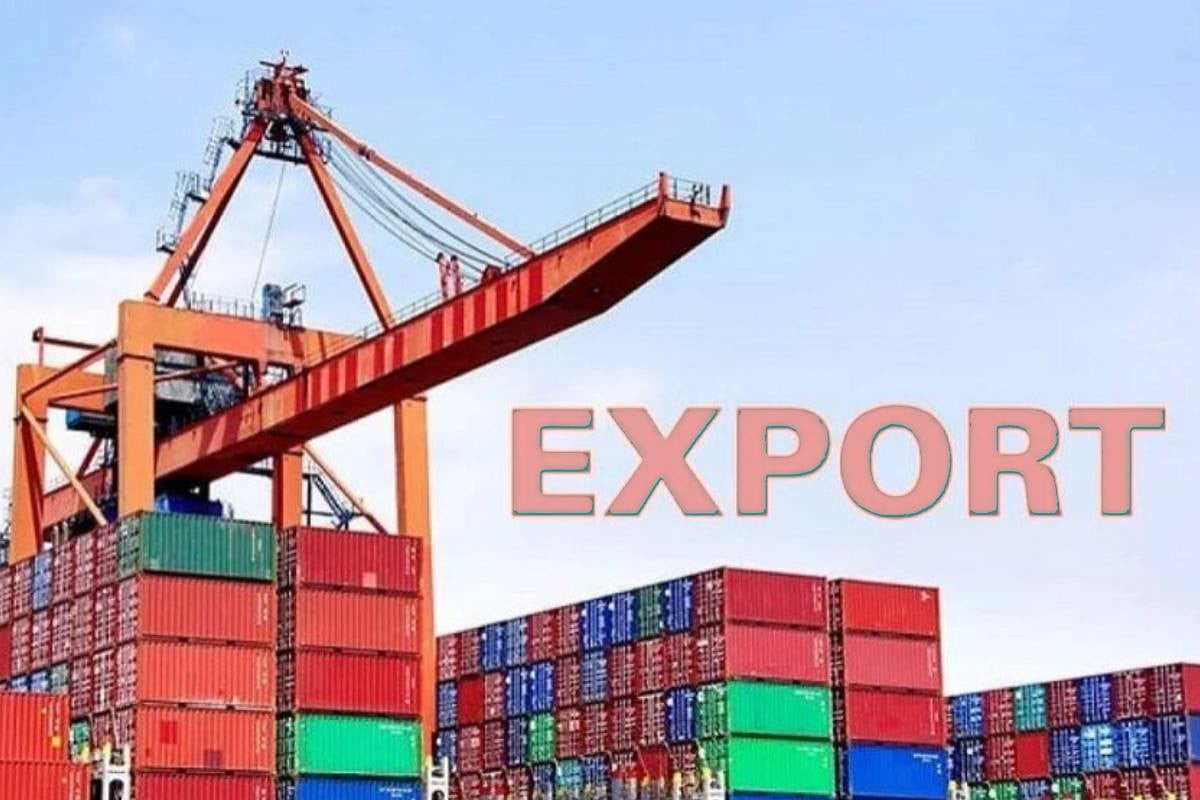
Allegations of abuse of bonded warehouse facilities and smuggling are widespread, with an estimated $5 billion worth of fabric, apparel and garment-related goods entering the local open market every year through such practices, reports the Daily Sun.
To curb these irregularities, the National Board of Revenue (NBR) has launched a major crackdown, scrutinising bank transactions of leading export-oriented companies.
Sources at the NBR said that banking information from the past five years is being collected from top exporters suspected of importing duty-free raw materials under bond facilities and selling them in the local market instead of exporting finished goods. The data will be cross-checked with import-export databases, including the ASYCUDA system. As part of tighter control over bond management, all manual Utility Permissions (UPs) for bonded operations were withdrawn from January 1 this year. From now on, all bond-related services, including raw material entitlements, will be processed exclusively through the Customs Bond Management System.
Speaking on condition of anonymity, a senior NBR official said automation has now been made fully mandatory to prevent misuse of bond facilities. Regular inspections of bonded warehouse inventories will be conducted, and legal action will be taken immediately if irregularities are detected.
Entrepreneurs in the textile sector say they have suffered significant losses due to bond misuse and smuggling. Industry insiders claim that goods worth around $5 billion are sold annually in the domestic market through such channels, causing substantial revenue losses for the government and putting local producers at a competitive disadvantage. They also noted that irregularities have increased due to weakened field-level monitoring by the NBR following the political changes in August 2024.
A senior official of Dhaka Tax Zone-8, also speaking anonymously, said banking transaction details for the past five years have initially been sought from seven companies. These will be matched against their import-export records. If discrepancies are found, the companies will be asked to explain. Failure to provide a satisfactory explanation will lead to the assumption that duty-free raw materials were diverted to the open market.
Sources said Tax Zone-15 has also sought bank data from eight companies, and the number nationwide could exceed one hundred, although the names of the firms have not been disclosed.
BTMA Standing Committee Chairman Khorshed Alam said the country’s domestic market has an annual demand of around $12 billion worth of fabric and garments, of which local mills supply about $7 billion. The remaining demand, he claimed, is met through bond misuse or smuggling. Meanwhile, BGMEA President Mahmud Hasan Khan Babu cautioned that the wrongdoing of a few should not be blamed on the entire business community.
Under the bonded warehouse facility, exporters are allowed to import raw materials duty-free under certain conditions. These materials must be stored in approved warehouses and used to manufacture goods for export. Selling such raw materials in the local market requires prior approval from customs authorities, along with payment of duties ranging from 40 to 89 percent, depending on the product type. Introduced to boost export competitiveness, the facility has played a major role in the growth of the readymade garment industry since the 1980s. However, allegations persist that some dishonest exporters divert duty-free raw materials to the domestic market, causing double losses—depriving the government of revenue while discouraging investment in local industries.
Bd-Pratidin English/ AM