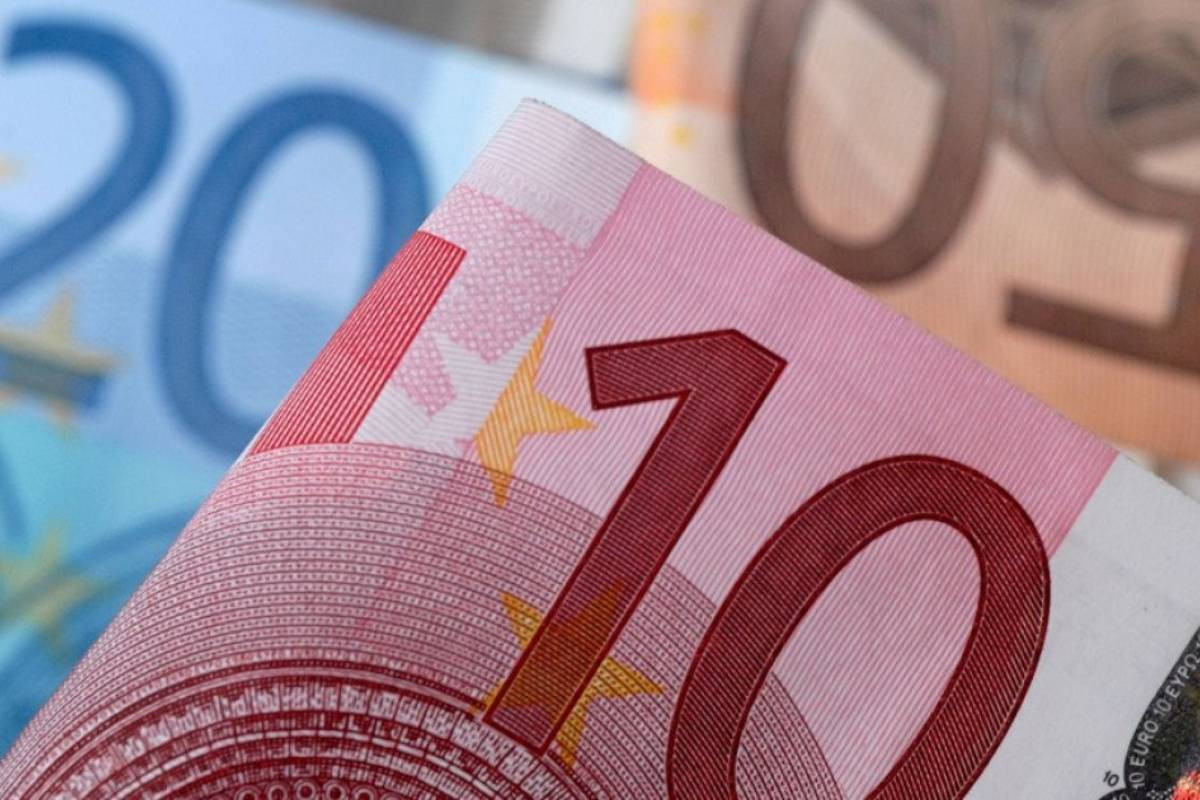
Bulgaria was set to adopt the euro on Wednesday night, becoming the 21st member of the eurozone. At midnight (2200 GMT), the country will retire its lev currency, in use since the late 19th century. Governments have long supported the switch to strengthen the economy, tie closer to the West, and counter Russian influence, though public opinion remains divided.
Political instability has complicated the transition. Anti-corruption protests recently toppled a conservative-led government, leaving Bulgaria on the verge of its eighth election in five years. Outgoing Prime Minister Rossen Jeliazkov said the country had achieved an important milestone, noting GDP of 113 billion euros and economic growth above 3 percent. He added that inflation, currently 3.6 percent, reflects increased purchasing power, not the euro adoption.
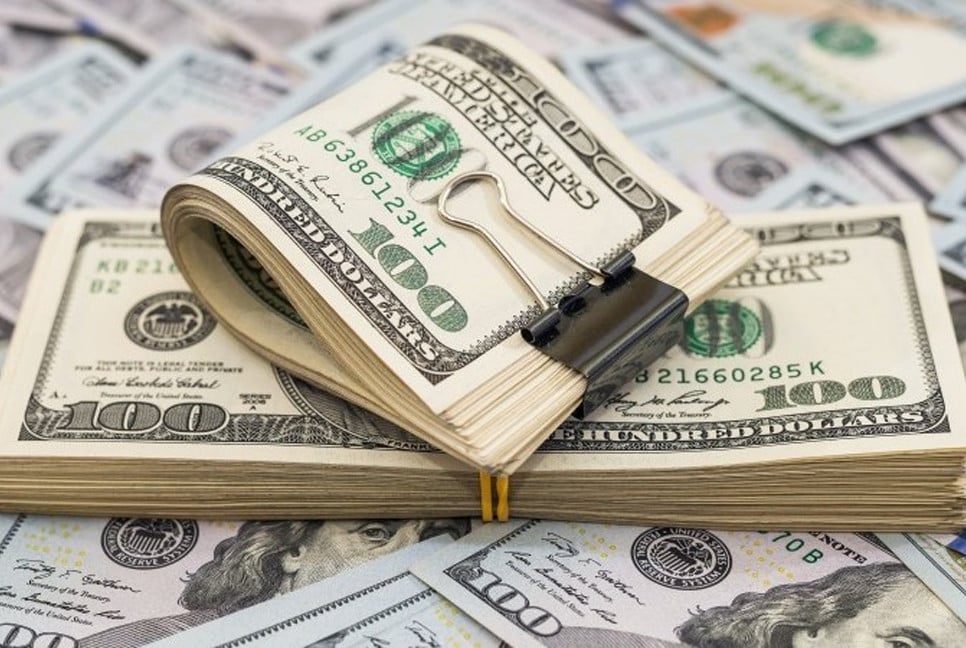
Some citizens worry the euro could push prices higher. Queues formed outside banks and currency exchange offices as people sought euros before the changeover. Analysts caution that any initial difficulties could be exploited by anti-EU politicians, but officials stress that adopting the euro will have a positive long-term effect on Bulgaria’s economy.
Source: RFI (Fr)
Bd-pratidin English/ Jisan