Slowing revenue collection, weakened trade and business, the lowest level of budget implementation, high inflationary pressure, severe stagnation in employment, disappointing export growth, dwindling domestic and foreign investment, and a crisis of investor confidence are making the country’s macroeconomic condition increasingly complex, reports The Daily Sun.
Economic activity has slowed nationwide. The banking sector now holds the highest volume of non-performing loans in 25 years.
Although the interim government has attempted to bring improvement to the economy since the political shift on 5 August last year, the efforts have delivered limited results.
As the national election approaches after nearly 18 months, analysts fear greater economic volatility ahead.
They say the previous uncertainty in the economy has eased slightly, but instability persists and, due to lack of confidence, has even intensified.
The current interim government plans to hold the national election in February. Based on that schedule, more liquidity will enter rural and outlying regions.
However, investment conditions will likely remain unchanged, which means the stagnation in employment will not ease.
Rather, the increase in cash flow could push inflation further upward. Analysts also warn that election-related activity could slow budget execution even more.
Meanwhile, although the government has not increased development expenditure, non-development spending has risen. In the first quarter of the current fiscal year (July–September), government operating costs — including salaries and allowances of officials and loan interest payments at home and abroad — rose by Tk10,000 crore compared to the same period last year.
For the first time, quarterly operational expenditure crossed Tk1 lakh crore. With high operational spending, the government cannot allocate sufficient funds for development projects. This year’s first-quarter development spending marks the lowest in eight years.
The National Board of Revenue, one of the government’s largest revenue collection agencies, reported a deficit of Tk17,000 crore in the first four months.
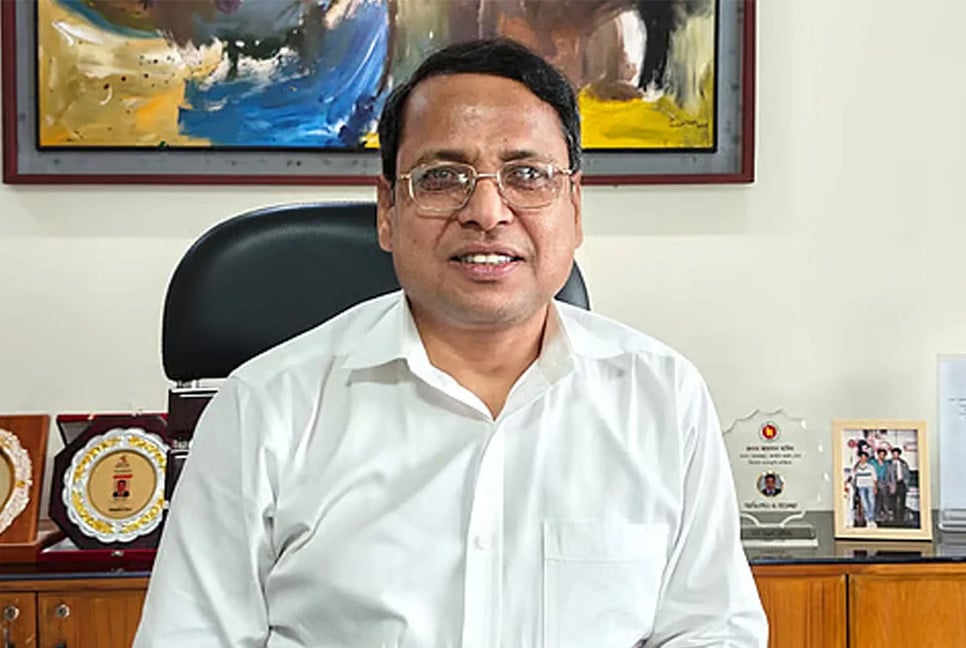
Renowned economist Dr Zahid Hossain called this deeply discouraging. He said people tend to spend more during election periods, overall expenditure rises and money circulation increases, which will likely intensify inflationary pressure.
Power and Participation Research Centre (PPRC) Executive Chairman Dr Hossain Zillur Rahman said poverty has increased and incomes have fallen.
He argued that increasing investment is the only way to maintain macroeconomic stability. That requires both political and economic stability.
He said the banking sector has not regained full discipline, while public distrust of the sector has grown. To increase investment and employment, he emphasised the need to expand private-sector credit flow.
Meanwhile, the country has faced persistently high inflation for more than three years. In October, overall inflation stood at 8.17 percent.
The interim government introduced several measures that brought inflation back into single digits, yet it still remains far above the budget target. As a result, the number of poor in the country has risen.
The World Bank reported that the population in poverty could exceed six crore in the coming years as job creation remains stalled, incomes fall and the cost of living rises.
Across all sectors of business and commerce, deep uncertainty prevails. Political uncertainty has further eroded investor confidence.
Meanwhile, instability in the banking sector worsens. According to Bangladesh Bank data, a key indicator of investment is the import of capital machinery.
Settlement of letters of credit for machinery imports fell by 11 percent. This means no new factories are being built; instead, many older factories have shut down. There is no assurance whether they will reopen at all.
Bd-pratidin English/Lutful Hoque