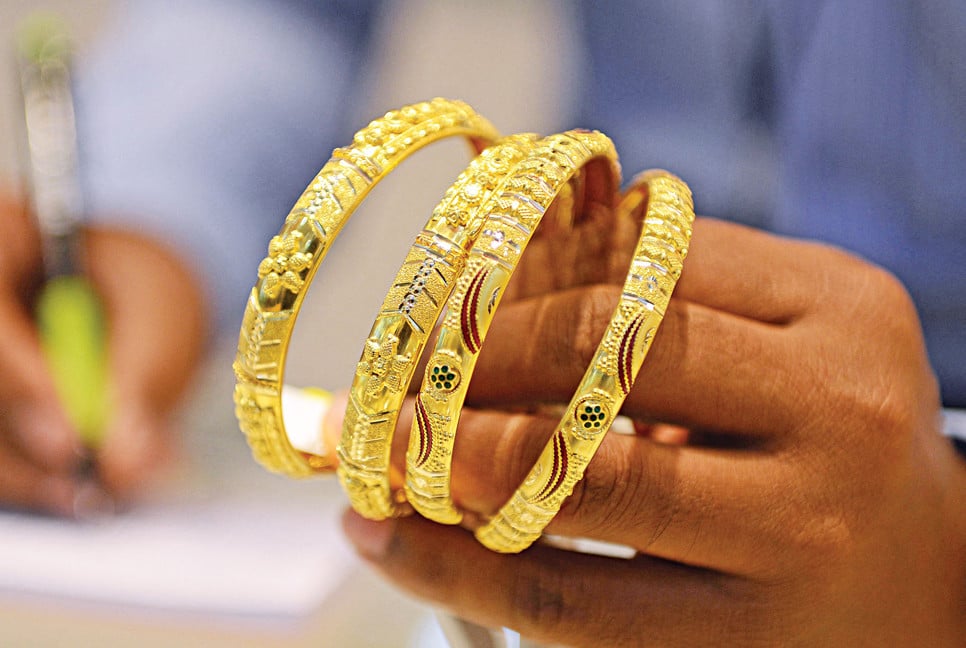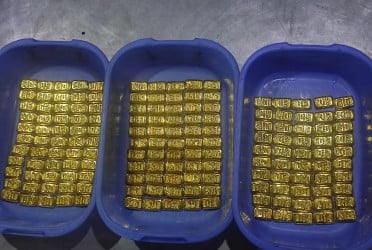
The Ministry of Commerce of Pakistan has lifted the suspension of Statutory Regulatory Order (SRO) 760 of 2013, restoring Pakistan’s regulatory framework for the import and export of gold and other precious metals. The decision, formalized through SRO 2198 issued on November 21, effectively ends the 60-day ban imposed in May to support foreign exchange reserves and restrict the flow of gold amid heightened tensions with India.
By rescinding the ban, the ministry also condoned the suspension period under SRO 760, allowing exporters to regain the full 120-day entitlement period under the Entrustment Scheme. This scheme permits the export of jewellery made from imported gold supplied as a partial advance payment by foreign buyers, with exporters required to complete shipments within 120 days of import.
Gold continues to play a central role in Pakistan’s cultural traditions and manufacturing supply chain, with most imports sourced from the UAE, Switzerland, and other established trading hubs. Industry leaders had warned that the ban had paralysed jewellery exports, leaving businesses unable to fulfil international orders despite having legally contracted gold. FPCCI President Atif Ikram Sheikh had urged Prime Minister Shehbaz Sharif to immediately restore SRO 760 to prevent further damage to the sector.
The Economic Coordination Committee, in October, endorsed the continuation of the existing precious metals framework while introducing measures to enhance transparency, automation, and traceability across the supply chain.
Alongside lifting the ban, the Ministry of Commerce has also amended SRO 760. The order has been retitled as the Import and Export of Precious Metals and Jewellery Order 2013. The definition of the jewellery passbook issued by the Trade Development Authority of Pakistan has been broadened to include both paper and digital formats, ensuring better record-keeping of gold imports and jewellery exports.
The ministry has clarified that the regulations apply to the import of precious metals and gemstones and the export of jewellery. It has also introduced a procedure allowing a one-time change of customs stations when operational issues arise, provided a no-objection certificate is obtained from the relevant customs authority.
Amendments to the Entrustment Scheme now permit contracts to be apostilled under the Apostille Convention of 1961, while still requiring notarisation or attestation through Pakistan’s diplomatic missions abroad. Contracts must include all information specified in Annex-D. Additionally, all transactions under the Entrustment Scheme must be conducted through the same bank that handled the corresponding precious-metal import, ensuring consistency and traceability in financial flows.
Collectively, these changes aim to streamline Pakistan’s gold and jewellery trade while reinforcing oversight and compliance across the sector.
Source: DAWN
Bd-pratidin English/ Jisan