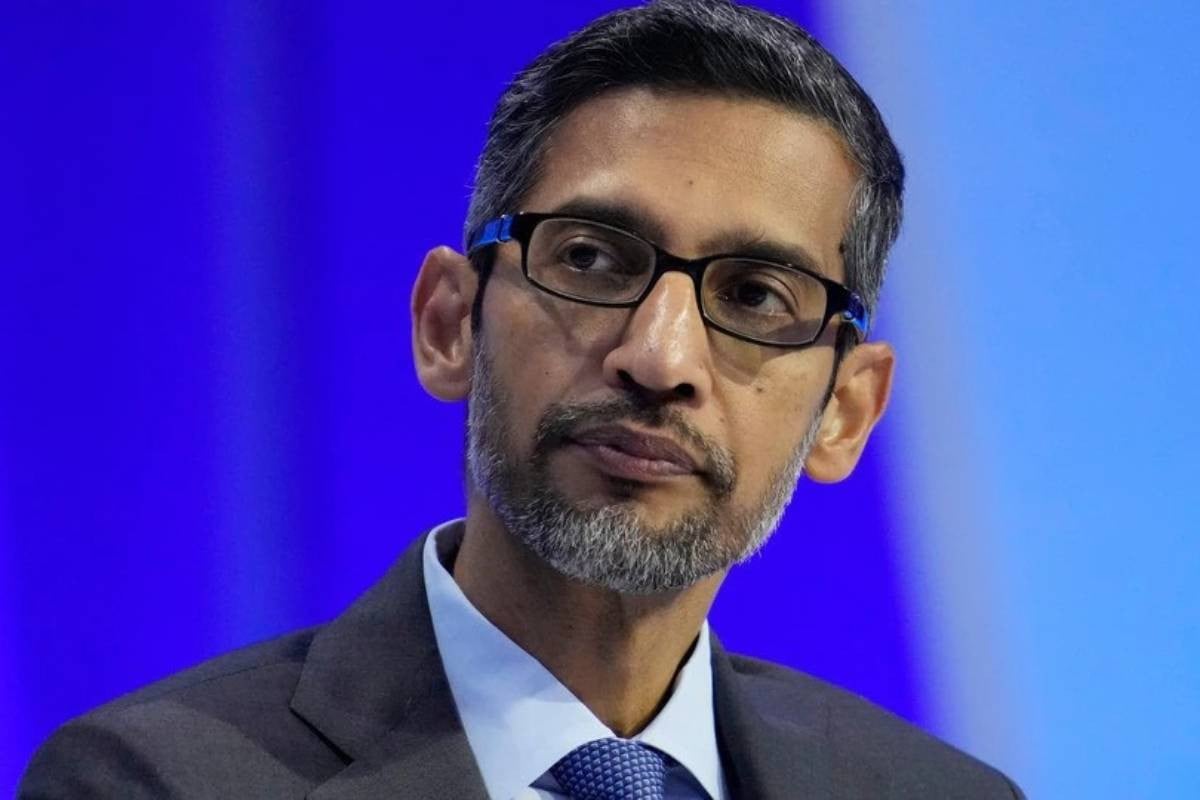
Artificial intelligence systems remain prone to factual mistakes and should not be relied on as sole sources of information, Google and Alphabet CEO Sundar Pichai warned in an interview with the BBC aired Tuesday.
Pichai urged users to treat AI as one tool among many rather than a replacement for conventional search and verification.
AI assistants are useful “if you want to creatively write something,” he said, but users “have to learn to use these tools for what they’re good at, and not blindly trust everything they say. The current state-of-the-art AI technology is prone to some errors.”
His comments come as Google prepares to release Gemini 3.0, its next major AI model, expected by year’s end. Earlier versions of Gemini, launched in 2023, drew intense criticism for restrictive safety filters and diversity parameters that led to historically inaccurate image generation, prompting widespread mockery online.
Google has also faced renewed privacy concerns. A lawsuit filed this month in a California federal court alleges the company secretly enabled Gemini to gather user data without consent by intercepting communications across Gmail, chat, and video-conferencing services—claims Google denies.
The rapid growth of AI has fueled soaring valuations across the tech sector, raising warnings of a potential bubble as companies pour billions into new models, infrastructure, and talent. Major technology firms now spend an estimated $400 billion annually on AI development.
Asked whether Google would be insulated if an AI bubble were to burst, Pichai was candid: “I think no company is going to be immune, including us.”
Bd-pratidin English/ Jisan