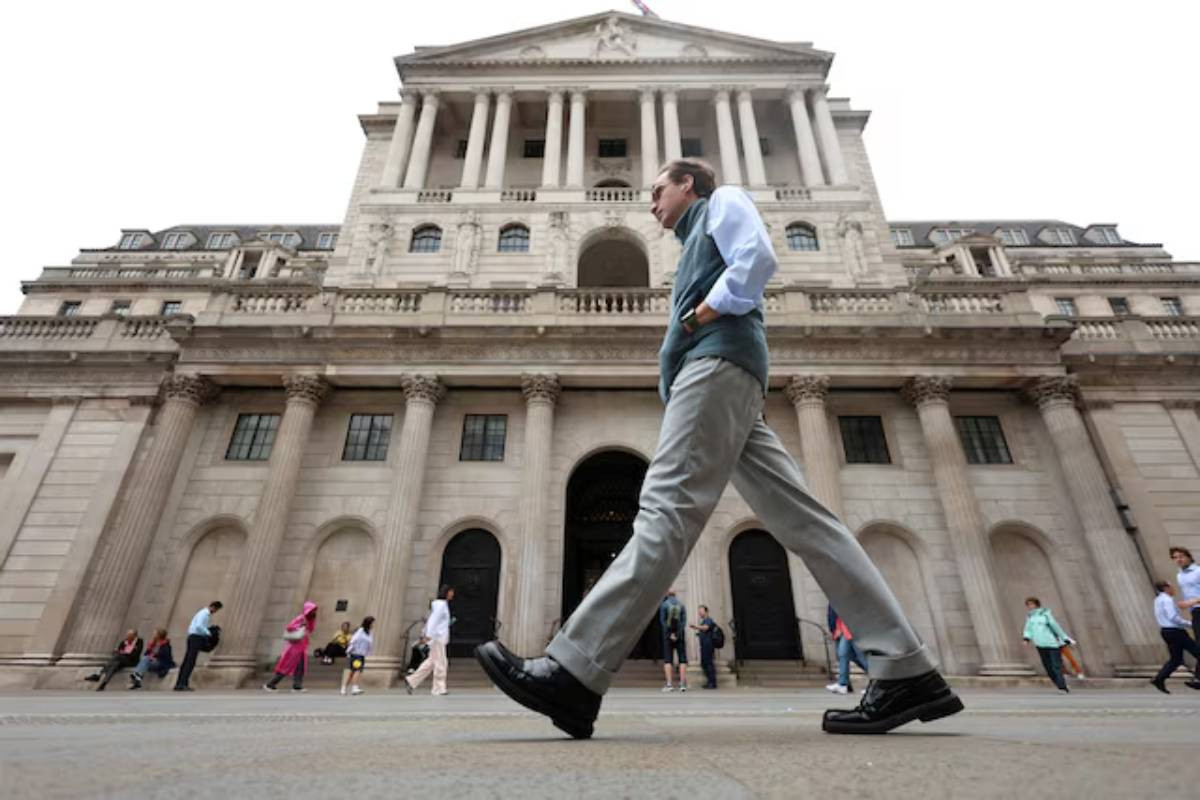
The Bank of England (BoE) on Monday proposed allowing issuers of widely used stablecoins to invest up to 60% of their reserve assets in government debt — a move that signals a softening in its approach to the fast-growing sector, reports Reuters.
In its latest consultation paper outlining rules expected next year, the central bank maintained plans to cap how much stablecoin individuals and businesses can hold, distinguishing its approach from regulators in the European Union and the United States.
Stablecoins — digital tokens designed to maintain a constant value, often pegged to fiat currencies and backed by traditional assets like government bonds — have seen rapid global growth, aided by new U.S. federal regulations introduced earlier this year.
The crypto industry had sharply criticized the BoE’s 2023 proposal that would have required issuers to hold all reserves in non–interest-bearing accounts at the central bank. The sector argued such a rule would make UK stablecoins commercially unviable, as issuers typically earn profits by investing their reserves.
Under the new proposal, only 40% of reserves would need to be held with the BoE.
“Today’s proposals mark a pivotal step towards implementing the UK’s stablecoin regime next year,” said Sarah Breeden, the BoE’s Deputy Governor for Financial Stability. “We’ve listened carefully to feedback and amended our proposals, including how stablecoin issuers interact with the Bank of England.”
The BoE said it would directly oversee only stablecoins deemed capable of becoming widely used for payments. A temporary framework will allow issuers currently regulated by the Financial Conduct Authority (FCA) to invest up to 95% of backing assets initially.
However, the central bank retained its plan to impose temporary holding caps — £20,000 ($26,842) for individuals and £10 million for businesses. Larger firms, such as supermarkets or trading platforms, could apply for exemptions. The BoE said these limits would be lifted once financial stability concerns subside.
In a new proposal, the bank also said it may extend central bank liquidity facilities to systemic stablecoin issuers during market stress, providing a backstop if they are unable to liquidate their reserve assets privately.
Stablecoins used primarily for trading or investment purposes would fall outside the BoE’s remit and continue to be regulated by the FCA. The consultation remains open until February 10.
While the crypto industry broadly welcomed the move, some executives said the BoE could have gone further.
Tom Duff Gordon, Vice President of International Policy at cryptocurrency exchange Coinbase, said the central bank should consider allowing up to 80% of assets to be invested in high-quality liquid assets such as government bonds.
“The industry also needs more clarity on when, and on what basis, these caps could be lifted,” he added.
($1 = £0.7451)
Bd-pratidin English/ Jisan