Electric car sales in the US reached 1.2 million last year — five times higher than four years ago — accounting for 10% of total vehicle sales in August, according to S&P Global Mobility.
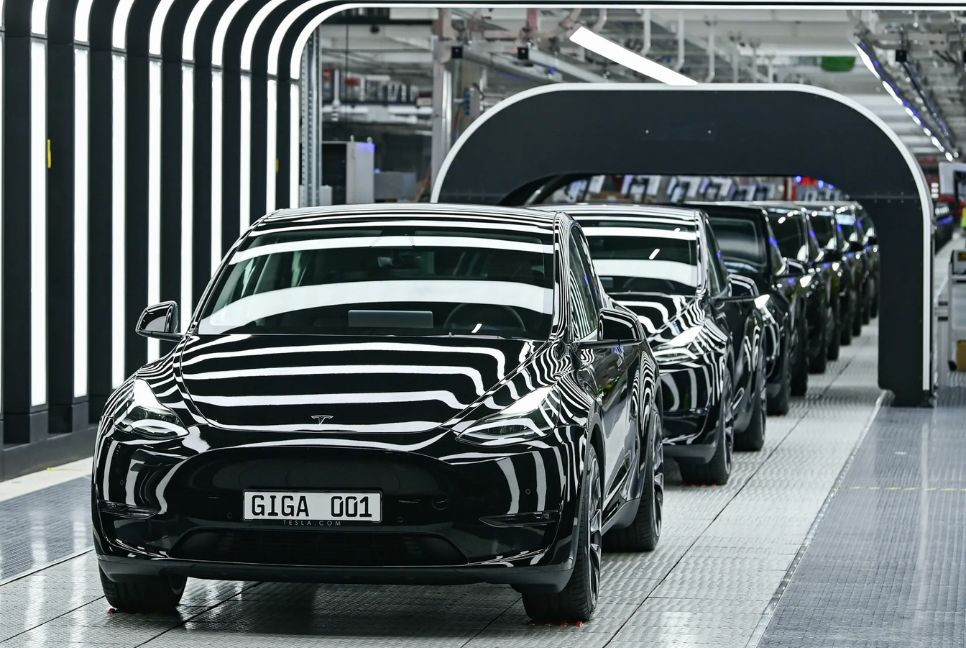
Major automakers like GM, Ford, and Tesla all reported record electric vehicle (EV) sales recently, but analysts warn the boom was temporary, driven by buyers rushing to benefit from a government subsidy worth up to $7,500, which expired at the end of September.
“It’s going to be a vibrant industry, but way smaller than we thought,” said Ford CEO Jim Farley. GM’s Paul Jacobson added, “I expect that EV demand is going to drop off pretty precipitously.”
Despite recent gains, the US lags much of the world in EV adoption.
In 2023, electric and hybrid vehicles made up nearly 30% of sales in the UK and about half in China, while the US trailed at just 10%. Analysts blame weaker government support and political divisions for slowing progress.
Former president Joe Biden pushed for EVs to make up half of all US sales by 2030, funding charging infrastructure, loans for automakers, and expanding the tax credit. But President Donald Trump has moved to scrap these measures, calling climate change a “con job” and saying, “You’re not going to be forced to make all of those cars.”
Electric cars remain pricier in the US — averaging $57,000 in August, 16% higher than petrol models — and cheaper Chinese brands like BYD are shut out by tariffs. With both subsidies ending and new tariffs on foreign cars, experts warn of a tough year ahead.
“It would have been difficult enough if all you had to deal with is new tariffs,” said S&P Global’s Stephanie Brinley. “But with incentives gone, there’s a double impact.”
Source: Reuters
Bd-pratidin English/FNC