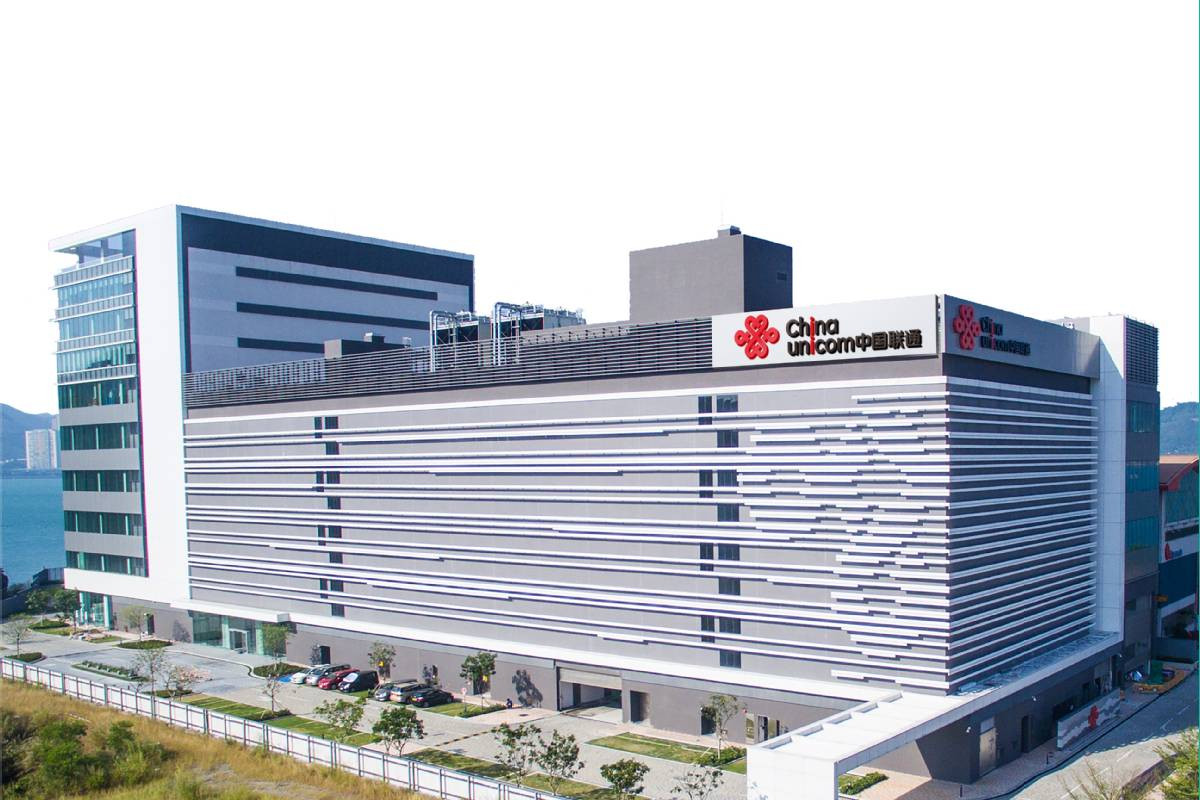
China has launched a major $390 million data centre powered entirely by domestically developed artificial intelligence chips, state broadcaster CCTV reported on Tuesday, highlighting a strategic step in Beijing’s ongoing drive for technological self-reliance amid rising tensions with the United States, reports Reuters.
Operated by China Unicom, the facility is located in Xining, the capital of Qinghai province. Once fully completed, it is projected to deliver computing power of 20,000 petaflops—placing it among the most powerful AI-focused infrastructures in the country. Currently, the centre is running at 3,579 petaflops using nearly 23,000 AI chips developed by Chinese companies.
Alibaba’s semiconductor unit, T-Head, has supplied approximately 72% of the chips installed so far. The remaining chips have come from Chinese chipmakers including Biren Technology, MetaX, and Zhonghao Xinying. China Unicom also plans to procure additional chips from Tecorigin, Moore Threads, and Enflame as the project scales.
The development comes as the U.S. government steps up efforts to restrict China's access to advanced technology, particularly high-end AI chips. At trade talks in Madrid this week, U.S. officials raised national security concerns and reiterated efforts to block exports of sensitive semiconductors to China. In response, Beijing has been urging domestic firms to replace U.S.-made chips, including those from Nvidia, with local alternatives.
T-Head’s AI chip, the PPU, features 96 gigabytes of memory and HBM2e technology, a high-bandwidth memory format optimized for AI tasks. According to CCTV, the chip is now seen as a serious rival to Nvidia’s H20, which remains the most advanced model the American company is still allowed to sell in China under current export controls.
The new data centre is a flagship project in China’s broader campaign to reduce reliance on foreign technologies, particularly in sensitive sectors like artificial intelligence, cloud computing, and cybersecurity. On Monday, Beijing also announced a preliminary antitrust investigation into Nvidia, signaling intensifying regulatory scrutiny of foreign tech firms.
By showcasing the power of domestically developed chips in critical national infrastructure, the Xining data centre underscores China’s commitment to achieving chip self-sufficiency and securing its technological future against a backdrop of geopolitical rivalry.
Bd-pratidin English/ Jisan