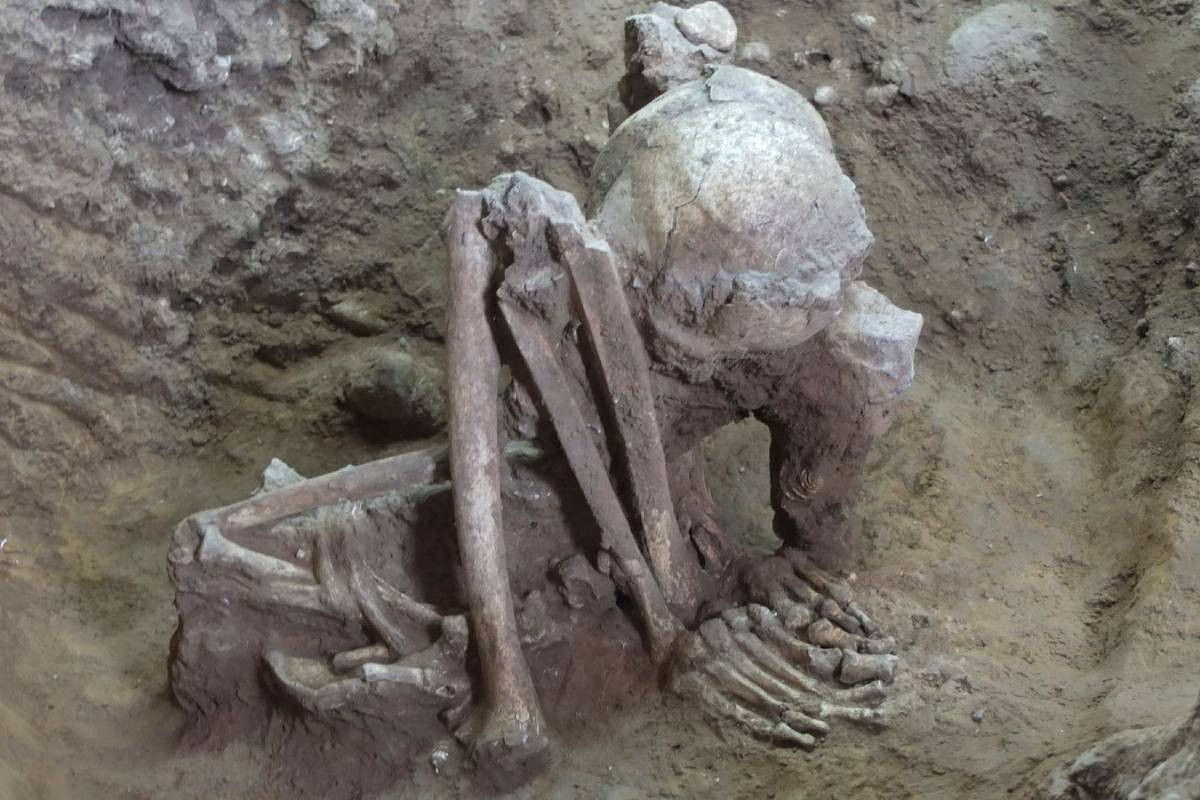
Scientists have uncovered what might be the world’s oldest known mummies in Southeast Asia, with some remains believed to date back as far as 12,000 years. The mummified bodies, discovered in archaeological sites across China, Vietnam, the Philippines, Laos, Thailand, Malaysia, and Indonesia, were found in crouched or squatted positions and exhibited signs of cuts and burn marks.
In a groundbreaking study published in Proceedings of the National Academy of Sciences, researchers suggested that the bodies were likely exposed to intense heat, possibly smoke-dried over fire, which helped preserve them. Hirofumi Matsumura, a study author from Sapporo Medical University in Japan, explained that this mummification practice allowed people to maintain both physical and spiritual connections with their ancestors, effectively "bridging time and memory."
Mummification is known to occur naturally in certain environments that slow decomposition, but various cultures, including the ancient Chinchorro people of Peru and Chile, also embalmed their dead intentionally to honor them or facilitate their journey into the afterlife. Today, indigenous communities in Australia and Papua New Guinea continue to practice smoke-drying and mummification.
However, Rita Peyroteo Stjerna, a human evolution expert at Uppsala University in Sweden, expressed some caution about the study’s conclusions. While she acknowledged the research as a significant contribution to understanding prehistoric burial rituals, she questioned whether mummification was consistently practiced across all the Southeast Asian sites and raised concerns about the study’s dating methods.
Source: Sky News
Bd-pratidin English/ Jisan