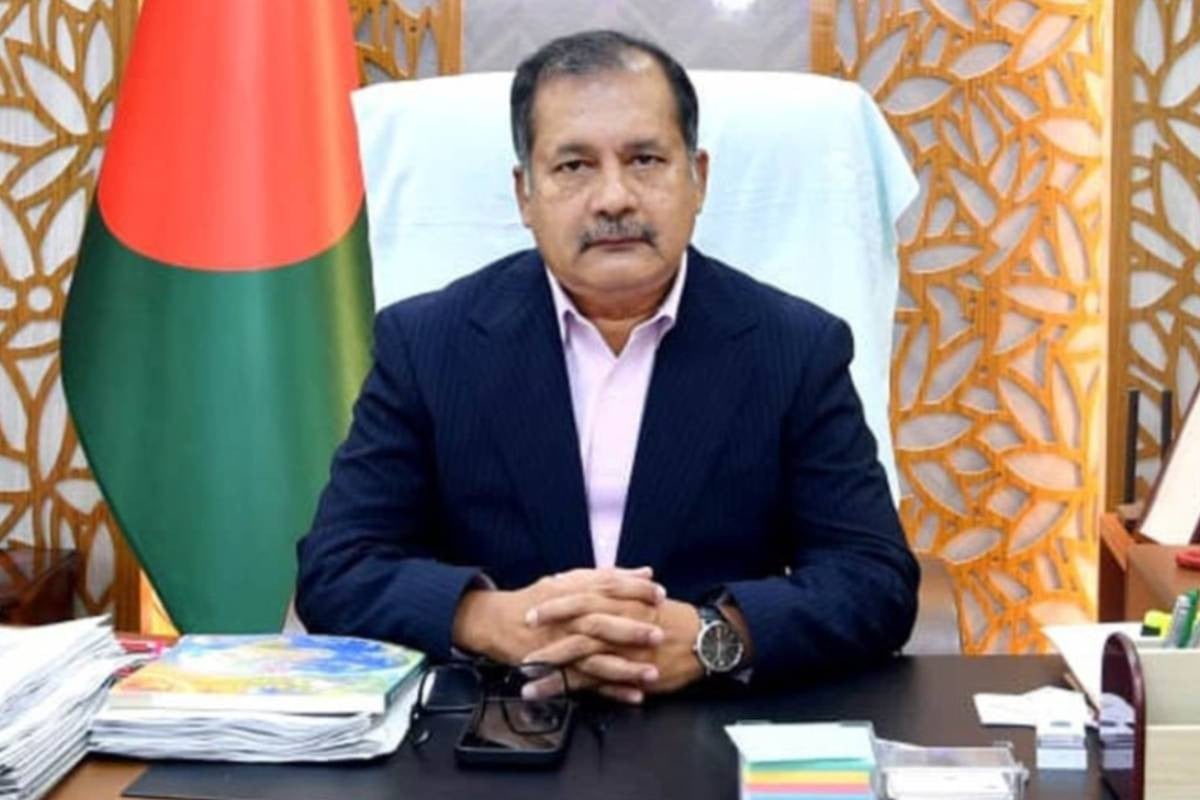
Japan and the European Union (EU) are set to launch a strategic partnership to strengthen the rechargeable battery supply chain and reduce reliance on China. The initiative will be formalized with the signing of a memorandum of understanding (MOU) on Monday, coinciding with the visit of European Commission Executive Vice President Stéphane Séjourné to Japan.
The agreement outlines collaboration on key areas such as battery recycling, raw material reuse, supply chain data sharing, and industrial cooperation. It will also promote direct exchanges between Japanese and European companies through exhibitions and training programs aimed at developing the battery sector workforce.
This MOU represents the first concrete step under the Japan-EU Competitiveness Partnership, established by both sides in July.
On Tuesday, Japanese Prime Minister Shigeru Ishiba is expected to meet with Séjourné to reaffirm commitments to improving supply chain resilience, including in the battery industry.
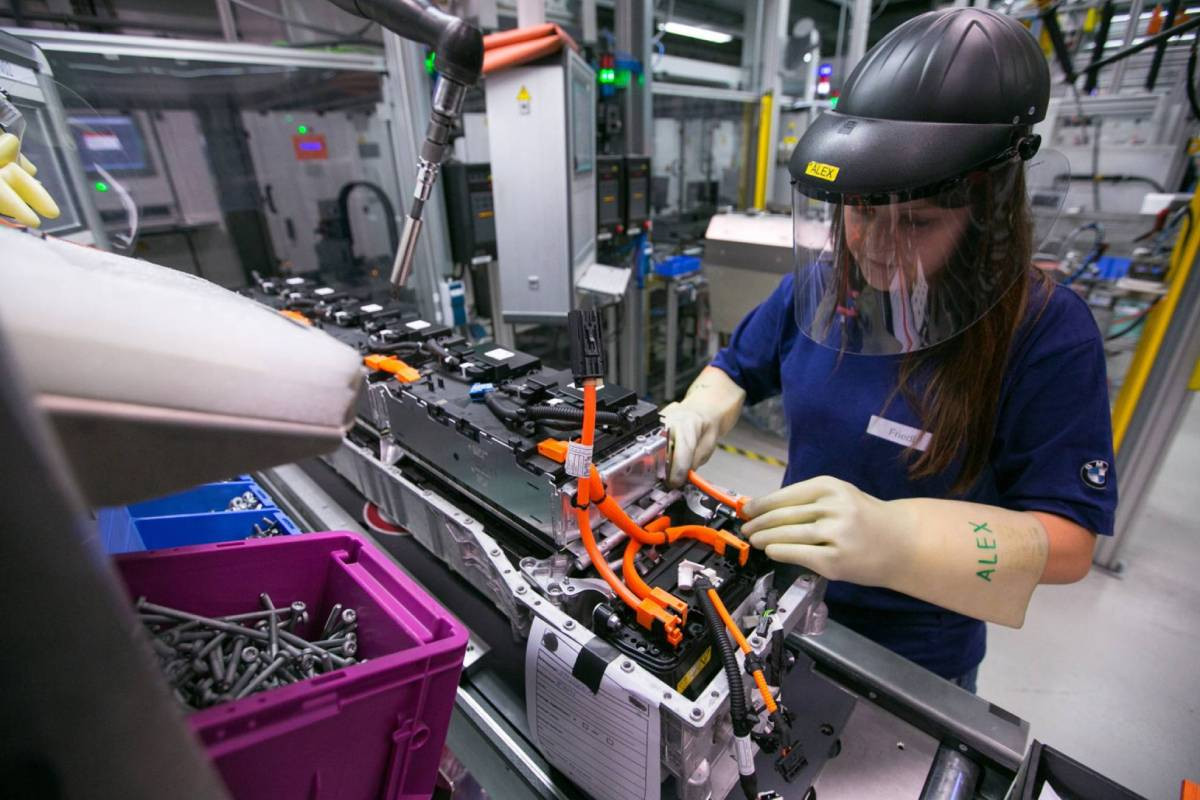
Japan has long been a leader in lithium-ion battery technology, holding around 50% of the global automotive battery market in 2015. However, Chinese manufacturers now dominate, accounting for roughly 60% of the market in 2023, while Japan’s share has fallen to about 8%.
Concerns have escalated since China began restricting exports of graphite—critical to lithium-ion battery production—in 2023. With EV adoption surging in Europe, the EU views overdependence on Chinese battery supply chains as a growing economic security risk.
To counter this, Japan and the EU plan to expand domestic battery production, review subsidy policies, and adjust public procurement strategies. These measures aim to prevent unsustainable price competition while supporting the development and market adoption of high-performance, safe battery technologies.
The partnership reflects both regions' shared strategic goal: securing a resilient, sustainable, and independent battery supply chain for the future.
Source: Japan News
Bd-pratidin English/ Jisan