U.S. Energy Secretary Chris Wright has predicted that artificial intelligence (AI) will enable the world to harness nuclear fusion within the next five years, with fusion energy powering electricity grids globally within 8 to 15 years. Speaking to the BBC, Wright described fusion as the future of clean energy, offering vast amounts of low-carbon power while helping reduce greenhouse gas emissions.
Nuclear fusion, the process that powers the sun, has long been viewed as a promising but elusive energy source. Despite significant scientific challenges—such as replicating the extreme conditions needed to fuse atoms on Earth—Wright is optimistic about its commercial viability. He emphasized the role of AI and ongoing efforts at national labs and private companies in the U.S. in overcoming these hurdles.
“Artificial intelligence and what’s happening at the national labs and private companies will enable us to harness fusion energy in multiple ways within the next five years,” Wright said. “The technology will be on the electric grid in 8 to 15 years.”
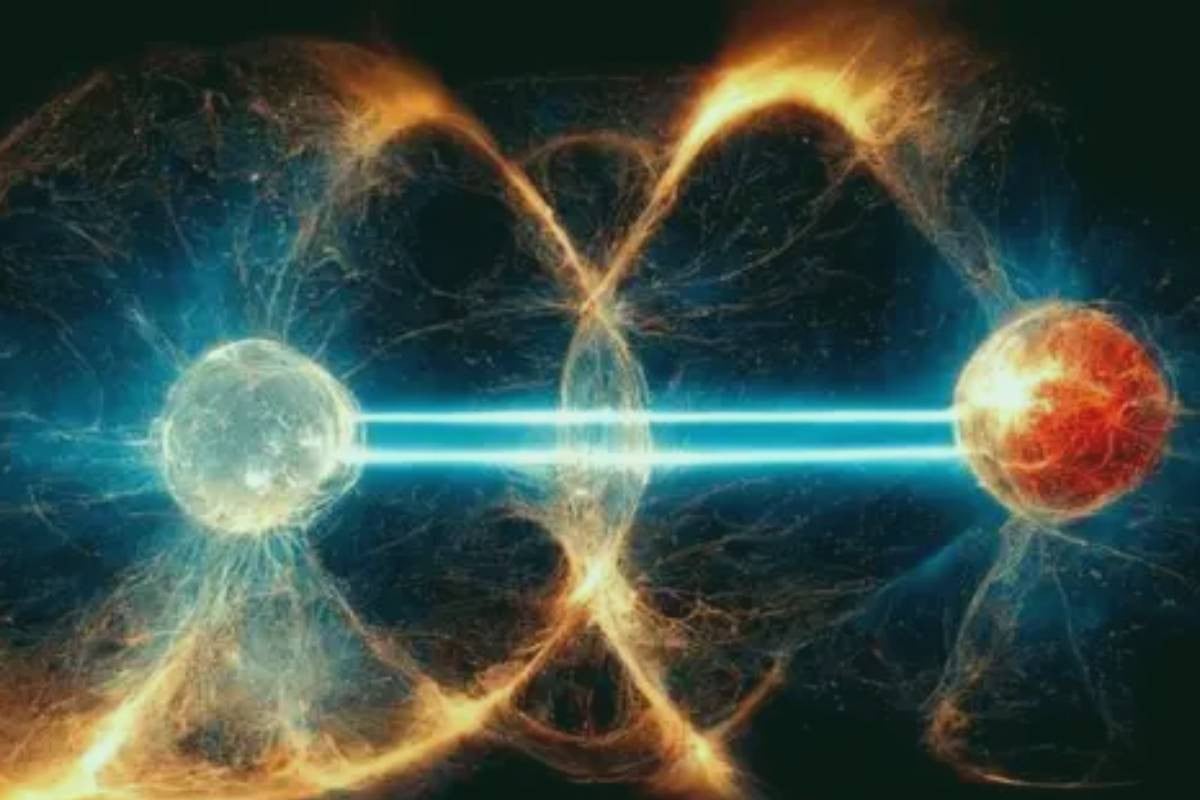
Fusion energy works by fusing light atoms, like hydrogen, to release energy, potentially providing a nearly limitless source of power. Unlike conventional nuclear fission, which produces dangerous radioactive waste, fusion would produce minimal waste and no carbon emissions. However, achieving the temperatures necessary for fusion, millions of degrees hotter than the sun, remains a significant challenge.
Wright's predictions are ambitious and may surprise even fusion enthusiasts, who generally believe that commercial fusion power plants are still decades away. His vision of fusion energy driving global power grids within 15 years could mark a transformative shift in the global energy landscape.
In addition to his comments on nuclear fusion, Wright also spoke on other energy issues, including his support for fracking. He urged the UK government to lift its de facto ban on fracking and issue new oil and gas licenses in the North Sea, arguing that fracking could help revitalize the UK economy by lowering energy costs and creating jobs.
Wright also defended the Trump Administration’s cuts to renewable energy subsidies, stating that after decades of support, industries like wind and solar power should be able to “stand on their own.” He further addressed the controversial climate change report released by the U.S. Department of Energy, which questioned the speed of global warming and the accuracy of climate models.
Although Wright acknowledged that climate change is a “very real, physical phenomenon,” he argued that global decarbonization would take generations to achieve. His remarks are likely to fuel ongoing debates about the best approach to energy policy and climate action.
Bd-pratidin English/ Jisan