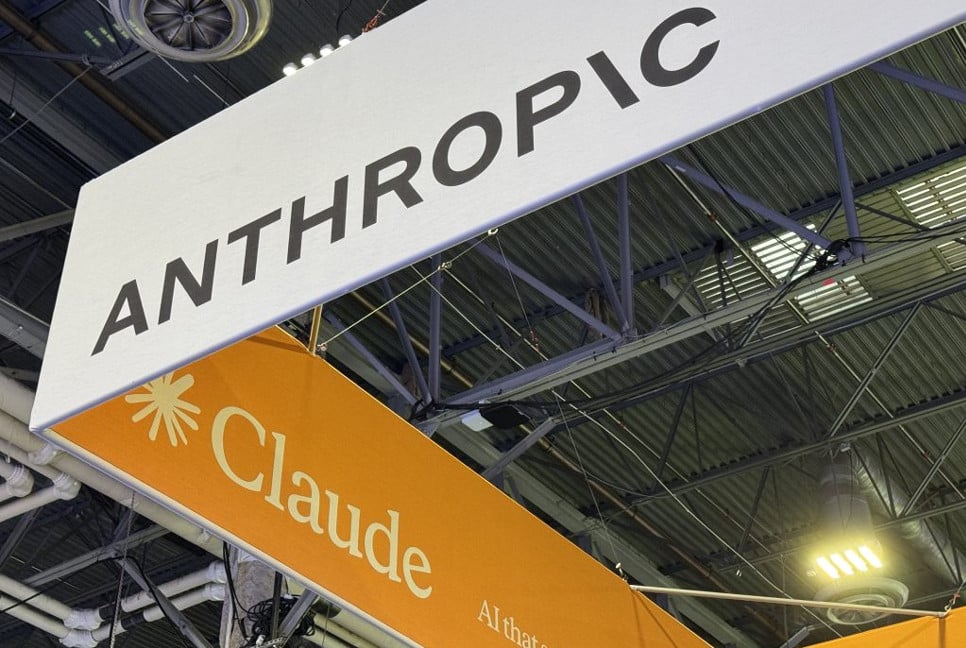
Anthropic, a leading US-based AI firm, has escalated its restrictions on access to its AI services by banning Chinese-owned companies and organisations. The move, announced in an update to the company's terms of service, comes in response to legal and security concerns and reflects an ongoing trend in the tech industry to tighten control over AI technologies in "authoritarian regions."
Anthropic, which is backed by Amazon and known for its AI chatbot, Claude, had already restricted access to companies in China, Russia, North Korea, and Iran due to existing security and legal risks. The updated policy aims to further prevent entities from circumventing these restrictions by using subsidiaries in countries outside the sanctioned regions. The company now prohibits organisations owned more than 50% by entities in these restricted regions from using its services, regardless of where the subsidiaries operate.
While the commercial impact of these changes may be limited, as US tech companies have long faced barriers to operating in China, the move raises questions for other companies in the AI space. Nicholas Cook, an international law expert, noted that this is the first time a major US AI company has taken such a public stand on limiting access based on ownership structures.
Anthropic, valued at $183 billion, is optimistic about its future, even with the loss of certain markets. The company recently raised $13 billion in funding and has seen rapid growth, with a large increase in high-value business customers. Despite these measures, however, Chinese companies continue to find ways to access US AI tools, including through VPNs.
This development reflects the growing geopolitical tensions around AI technology, particularly between the US and China, and raises broader questions about the future of global AI cooperation. With companies like DeepSeek from China developing competitive chatbots, the balance of power in the AI race continues to evolve.
As more AI firms follow suit with restrictions and regulations, the industry is entering a new phase of fragmentation, potentially creating a divided global market for AI technologies.
Source: DAWN
Bd-pratidin English/ Jisan