In an unexpected discussion at a military parade in Beijing this week, Chinese President Xi Jinping and Russian President Vladimir Putin explored the possibility of immortality through organ transplants. Speaking through a translator, Putin raised the idea that repeated organ transplants could potentially allow one to "get younger and younger" and perhaps live indefinitely, with the potential to reach an age of 150, reports BBC.
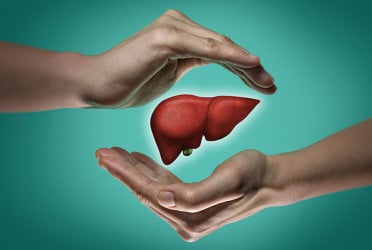
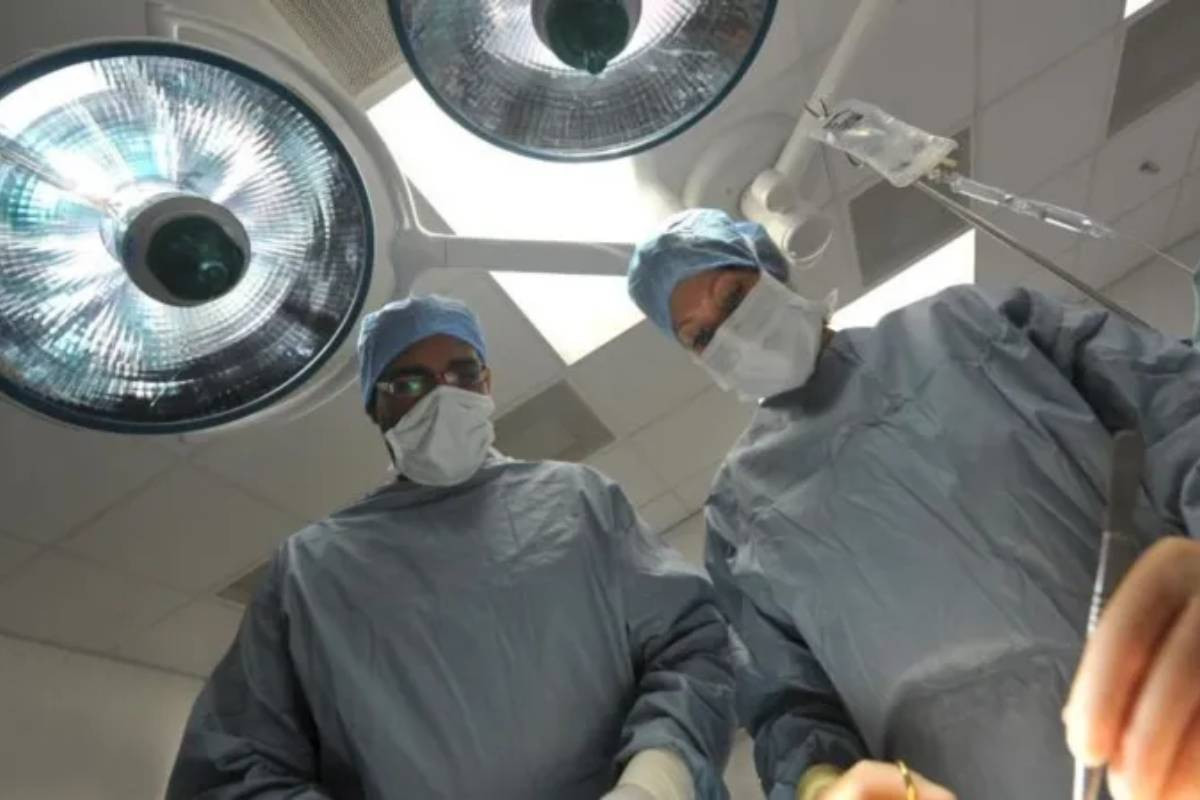
While their conversation seemed to carry a lighthearted tone, it opens up an intriguing question about the future of organ transplantation and aging. Organ transplants undeniably save lives, with NHS Blood and Transplant reporting over 100,000 people saved in the UK over the past three decades. And with advances in medical technology, the lifespan of transplanted organs is steadily improving. For example, kidneys from living donors may last 20-25 years, while those from deceased donors typically last 15-20 years.
However, the notion of immortality through organ transplants remains speculative. Each transplant comes with inherent risks, including surgery complications and the necessity for life-long use of immunosuppressants, which can have significant side effects. Organ rejection, where the immune system attacks the new organ, is also a concern, despite these medications.
One potential solution to organ rejection lies in the genetic modification of pigs for organ donations, a process known as xenotransplantation. Researchers are using CRISPR technology to edit the genes of pigs, making their organs more compatible with human recipients. Though still in its early stages, xenotransplantation has already seen a few pioneering procedures. Additionally, scientists are exploring stem cell research to grow human organs, though no fully functional transplantable organs have yet been created.
While these breakthroughs hold promise, scientists agree that immortality through organ transplants is far from feasible. Dr. Julian Mutz from King’s College London notes that while some experimental treatments show potential, their ability to extend lifespan significantly is uncertain. Professor Neil Mabbott, an expert in aging at the University of Edinburgh, suggests that the human lifespan may have a natural limit, with 125 years being the most likely upper bound. He argues that rather than focusing on immortality, efforts should be directed toward enhancing the quality of life in our later years.
As research continues, it’s clear that science is advancing rapidly, but whether organ transplants could provide immortality remains a fascinating question for the future.
Bd-pratidin English/ Jisan