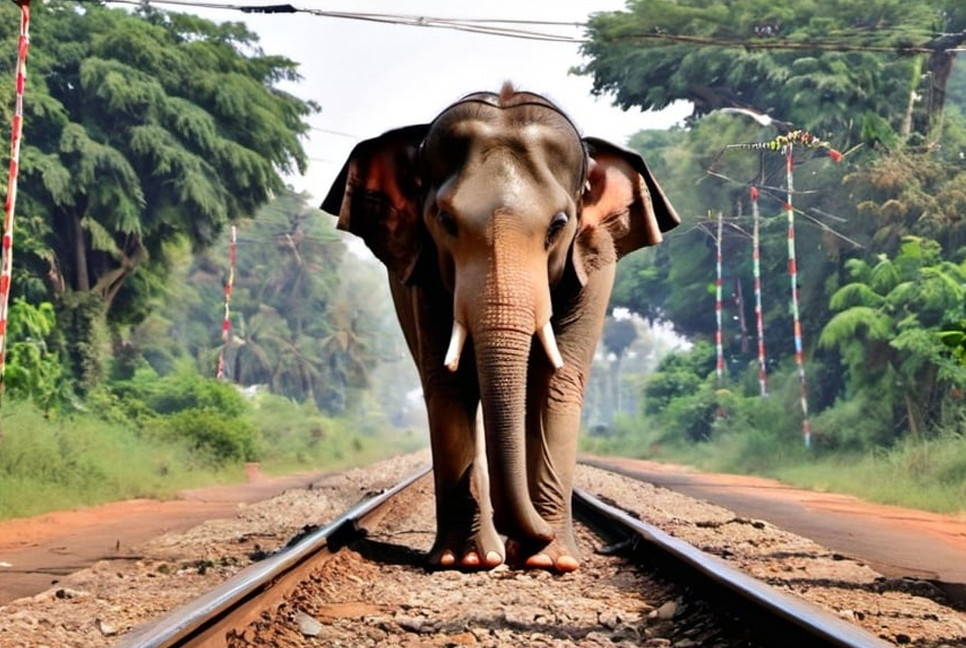
The Bangladesh Railway is set to install sensor-equipped robotic cameras in elephant corridors along the Chattogram-Cox’s Bazar railway line, which passes through protected forest areas. The project, aimed at protecting elephants, will cost nearly Tk 40 crore.
Six robotic cameras will be installed across six elephant corridors. These advanced cameras will be equipped with special sensors capable of detecting elephant figures.
If an elephant suddenly comes onto the railway tracks, the camera will detect it and instantly send a signal. Upon receiving the signal, red warning lights placed along the railway line will light up. Seeing the lights, train drivers will be alerted to the presence of elephants on the track and can either slow down or stop the train, allowing the elephants to safely cross.
This system is expected to reduce elephant fatalities and accidents significantly. The initiative brings new hope for elephant conservation along the Cox’s Bazar railway.
Although overpasses and underpasses have been built at elephant corridors along the rail line, accidents continue to happen. Trains have struck and killed elephants in the past. With growing concern and criticism over such incidents, the Railway has now taken the step to install sensor-equipped cameras at key points along the route where elephants frequently move.
According to railway sources, the cameras will be installed within this year. In addition to procuring the six cameras, the project includes installation of signal lights, electrical equipment, and other necessary components. Training is also being provided to train drivers and guards under the project—one round of training has already been completed.
Train services on the 103-kilometer Dohazari to Cox’s Bazar line officially began on December 1, 2023. Currently, four pairs of trains operate on this route. Of the total length, 27 kilometers pass through protected forest areas in Chunati, Fasiakhali, and Medhakachhapia of Lohagara upazila in Chattogram—key elephant movement zones.
On October 13 last year, a baby elephant was struck and killed by a train while crossing the railway track north of the elephant overpass in Chunati Wildlife Sanctuary, Lohagara, Chattogram. Again, on July 22 this year, a herd of elephants entered the rail line in the same area. The train driver managed to stop the train in time, but one elephant charged the train, resulting in injuries.
It’s not just elephants people are also frequently killed along this railway. The unprotected level crossings have turned into death traps. On August 2, five passengers of a CNG auto-rickshaw died in a collision with a train at an unprotected crossing in Ramu, Cox’s Bazar. In less than two years since the rail line opened, at least 30 people have died—13 of them in 2025 alone up to August 2.
Shockingly, of the 72 level crossings on this route, 56 have no gatekeepers or barriers. Railway officials have repeatedly blamed manpower shortages.
Railway insiders note that while the Railway’s move to use modern technology for elephant protection is promising, there’s little initiative to protect human lives. Instead, the Railway has only installed a few warning signs reading: “Caution, railway ahead” or “Warning! No gatekeeper at this crossing. Pedestrians and vehicles must cross at their own risk. Railway authorities will not be held responsible for any accidents.”
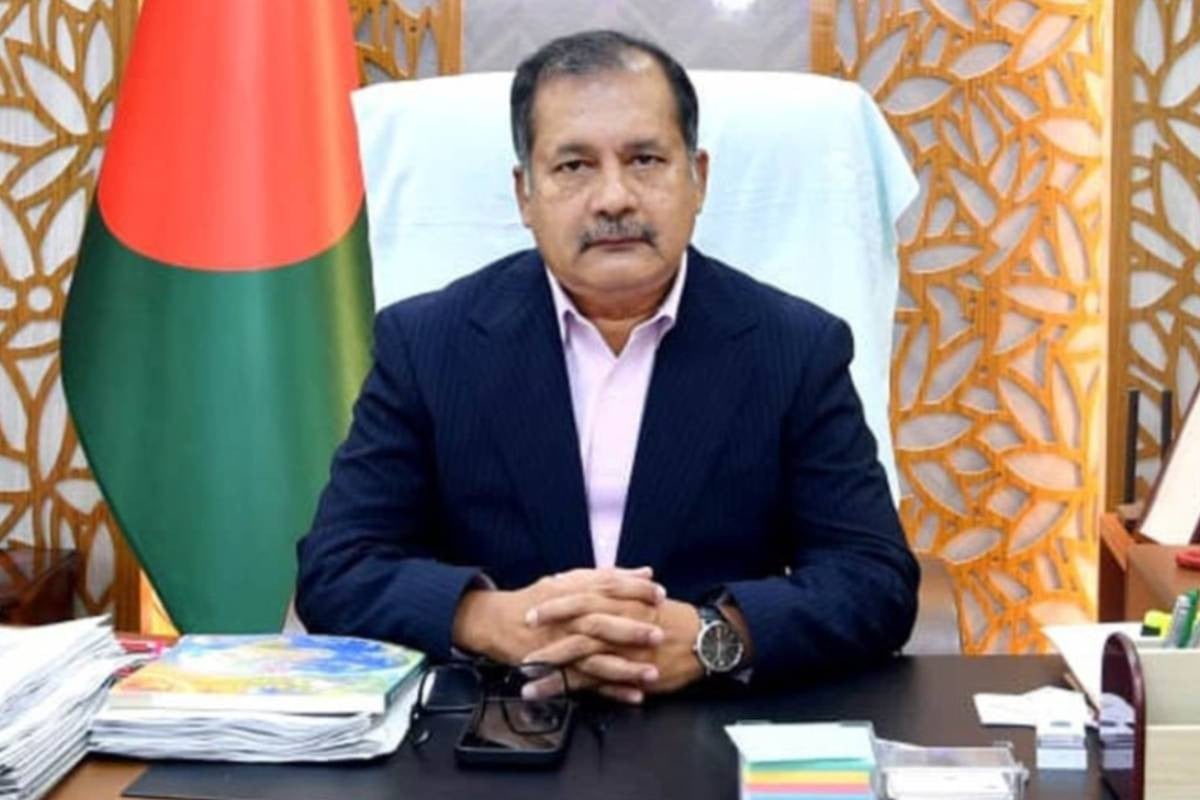
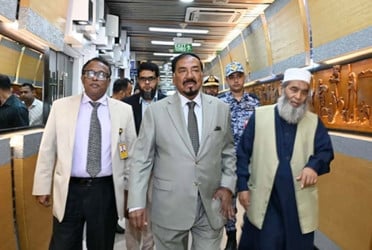
Engineer Md. Sabuktagin, General Manager of the Railway's Eastern Zone, said overpasses and underpasses have already been built to ensure safe passage for elephants, and train speeds have been reduced in forest zones.
“Still, sometimes elephants don’t use these designated paths and climb onto the tracks. That’s why we’re now using technology to make elephant corridors even safer,” he said.
He added, “We’re procuring robotic cameras with sensors that can detect elephants’ presence, and plan to install them in all major corridors this year. However, manpower shortage remains a big issue for us, which is why we can’t assign gatekeepers to many level crossings.”
Source: Samakal
Bd-pratidin English/ ANI