BBC's Jake Horton investigates ethical concerns surrounding an AI avatar of a deceased teenager from a 2018 school shooting.
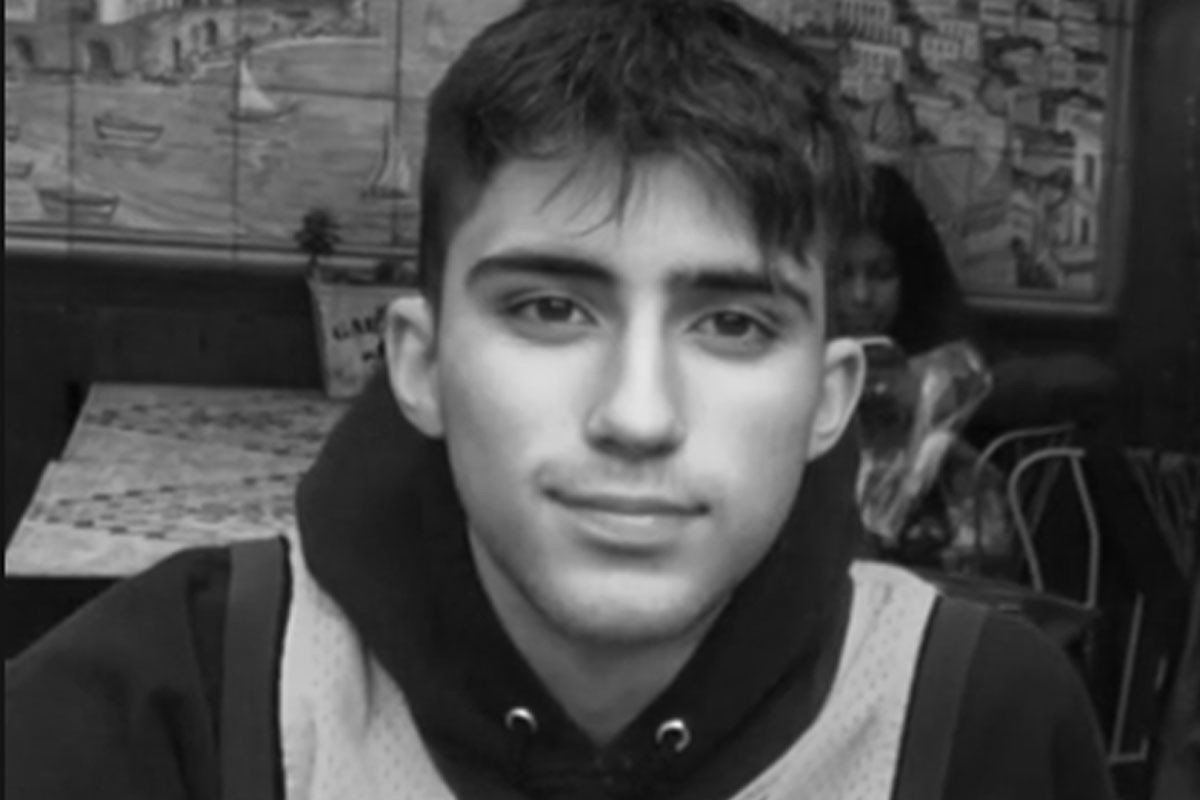
An AI clone of Joaquin Oliver, a teenager killed in the 2018 school shooting in Parkland, Florida, has become the center of intense ethical discussions following an interview conducted by a journalist. The AI version of the 17-year-old, created by his father, was used to answer questions in a recent interview that has drawn mixed reactions online.
Joaquin Oliver’s tragic death during the mass shooting at Marjory Stoneman Douglas High School left his family devastated. In an unprecedented step, his father, Manuel Oliver, worked with technology experts to create a digital replica of his son, enabling the AI to engage in conversation and provide responses to questions. The result was a hauntingly lifelike interaction between the journalist and the AI version of Joaquin.
The interview, produced by BBC Verify's Jake Horton, features the journalist speaking with the AI avatar of the deceased teenager, a move that has sparked strong reactions on social media and in the wider public. Critics have raised concerns about the ethical implications of using AI to recreate deceased individuals, particularly in situations as emotionally charged as this one.
Experts in AI ethics argue that while this technology may hold promise for preserving memories and creating digital legacies, it also raises uncomfortable questions. "Is it ethical to bring someone back to life through an AI clone without their consent, particularly when it comes to deceased minors?" one ethicist asked. "It might open the door to exploiting personal tragedies for entertainment or even emotional manipulation."
The interview has become one of the first widely publicized instances of using AI avatars to simulate a deceased person in a conversation, making it a significant moment in the development of AI technology. While some see it as a way to preserve the memory of loved ones, others fear it may lead to the commercialization and commodification of grief.
Manuel Oliver, however, believes this project is a way to honor his son’s legacy and keep his spirit alive. "I wanted to keep Joaquin’s voice heard, especially on issues he cared about, like gun violence and social change," he said in an interview with BBC.
As the debate continues, this development raises significant questions about the future of AI technology in dealing with loss, memory, and personal identity. The conversation surrounding AI avatars of deceased individuals is likely to evolve, prompting society to reassess its boundaries in terms of ethics and respect for the deceased.
To view the full interview, click here: Video Link